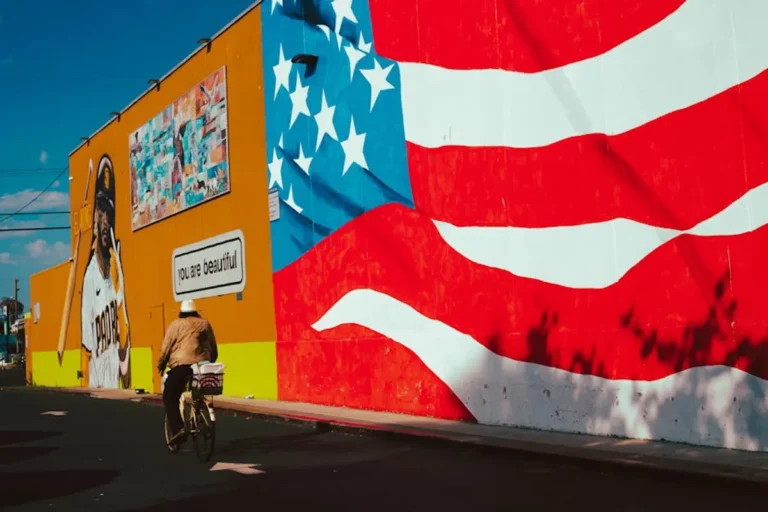

The terms street art, graffiti, and public murals are often used interchangeably, yet their distinctions carry significant legal, cultural, and commercial weight. For property owners, urban developers, city officials, and even artists, understanding these differences is not merely an academic exercise; it dictates policy, influences property values, shapes public perception, and determines the potential for community engagement or legal repercussions. Each category operates under different assumptions regarding permission, intent, longevity, and public interaction, directly impacting how urban spaces are utilized and perceived.
Graffiti: Illicit Expression and Subcultural Identity
Graffiti, at its core, is an unsanctioned inscription or drawing made on a public surface. Its origins are deeply rooted in counter-culture movements, particularly the tagging and bombing styles that emerged from Philadelphia and New York City in the 1960s and 70s. The primary intent is often personal recognition, territorial marking, or a direct act of rebellion against authority. Legally, graffiti is almost universally considered vandalism, leading to fines, arrests, and removal costs for property owners.
Characteristics:
- Intent: Primarily self-referential (tagging, crew names), territorial, or a direct act of defiance.
- Legality: Almost always illegal, considered vandalism.
- Mediums: Predominantly spray paint and markers, favoring speed and portability.
- Placement: Often in highly visible, accessible, or difficult-to-reach locations, chosen for maximum exposure within the subculture.
- Longevity: Generally ephemeral, subject to rapid removal or being painted over by rival artists or city cleanup crews.
Its commercial value typically arises indirectly, through artists gaining notoriety that translates into gallery shows, merchandise, or brand collaborations that distance themselves from the illicit act itself. Direct monetization of the public graffiti piece is rare and problematic.
Street Art: Public Engagement with Broader Artistic Intent
Street art evolved from graffiti, often incorporating its techniques but diverging significantly in intent and public reception. While frequently unsanctioned, street art typically aims for broader public engagement, social commentary, or aesthetic enhancement rather than mere tagging. It often seeks to communicate a message, provoke thought, or beautify a space, making it more palatable to a mainstream audience than traditional graffiti.
Characteristics:
- Intent: Social commentary, political statement, aesthetic contribution, storytelling, or artistic expression for a general audience.
- Legality: Often unsanctioned, but sometimes tolerated or even implicitly accepted due to its artistic merit or positive public reception. Can still be illegal.
- Mediums: Diverse, including stencils, paste-ups, stickers, sculptures, installations, projection, and traditional painting.
- Placement: Strategically chosen for visibility and context, often interacting with the architectural features of the environment.
- Longevity: Variable; some pieces are quickly removed, others endure for years, particularly if they gain public appreciation.
Street art can significantly impact urban areas by drawing tourists, creating cultural landmarks, and fostering a sense of place. Businesses sometimes commission street artists for murals or installations, recognizing their ability to attract attention and convey a contemporary brand image, blurring the lines with public murals.
Public Murals: Commissioned, Permitted, and Integrated Art
Public murals stand in clear contrast to graffiti and frequently street art due to their sanctioned nature. These are typically large-scale artworks painted directly onto walls, commissioned by property owners, city councils, community groups, or businesses. They are planned, permitted, and often involve community input, serving specific civic, historical, or cultural objectives. These are typically large-scale artworks painted directly onto walls, commissioned by property owners, city councils, community groups, or businesses, standing in clear contrast to graffiti and frequently street art.
Characteristics:
- Intent: Community beautification, historical narrative, cultural celebration, economic development, advertising, or civic pride.
- Legality: Fully legal and permitted, often with formal contracts and public funding.
- Mediums: Primarily paint (acrylic, latex) applied with brushes, rollers, and spray guns, chosen for durability and scale.
- Placement: Prominently displayed on building facades, public walls, or infrastructure, designed to be integrated into the urban landscape.
- Longevity: Intended to be permanent or long-term, often with provisions for maintenance and restoration.
Public murals are a deliberate investment in urban aesthetics and community identity. They can increase property values, attract tourism, and serve as powerful tools for placemaking and storytelling. The process involves multiple stakeholders, from artists and project managers to city planners and community representatives, ensuring the artwork aligns with specific objectives and public expectations.
Pro Tip: When considering any art for a public-facing property, always clarify the legal status and intent. An unsanctioned piece, however aesthetically pleasing, carries legal and maintenance risks. A commissioned mural, conversely, requires clear contracts detailing scope, maintenance, and intellectual property rights to avoid future disputes and ensure longevity.
Key Differentiators and Commercial Implications
The distinctions between these art forms are not merely academic; they have direct commercial and civic consequences. For businesses, property owners, and urban planners, these differences dictate engagement strategies, investment decisions, and risk management.
- Permission and Legality: This is the most fundamental differentiator. Graffiti is unauthorized and illegal; street art is often unsanctioned but may be tolerated; public murals are explicitly authorized and legal. This directly affects removal costs, potential fines, and public relations.
- Intent and Purpose: Graffiti serves personal or subcultural recognition. Street art aims for broader public dialogue or aesthetic contribution. Public murals are commissioned for specific community, commercial, or civic goals. This shapes how the art is perceived and its potential to add value or detract from an area.
- Longevity and Maintenance: Graffiti is typically short-lived. Street art's lifespan varies. Public murals are designed for permanence and often include maintenance plans. This impacts long-term investment and the sustained impact of the artwork on its surroundings.
- Public Perception and Value: Graffiti is often associated with blight and property devaluation. Street art can be seen as cultural enrichment, potentially increasing property appeal and attracting foot traffic. Public murals are generally viewed as positive civic contributions, enhancing community identity and economic development.
Understanding these nuances allows for strategic decisions. A business might invest in a public mural to brand its location and engage the community, while simultaneously implementing strategies to deter graffiti, which could negatively impact its image and incur cleanup costs. Urban planners leverage murals for revitalization projects, while grappling with how to manage unsanctioned street art that may be culturally significant but technically illegal.
Navigating Public Art Initiatives
For any entity considering integrating art into public spaces, a clear strategy based on these distinctions is essential. Identify whether the goal is transient cultural expression, permanent beautification, or a specific community message. This determines the appropriate art form, legal framework, and budget allocation.
Engaging with artists requires understanding their preferred medium and intent. For commissioned work, detailed contracts covering design approvals, installation timelines, material specifications, and maintenance clauses are non-negotiable. For managing existing unsanctioned art, a nuanced approach may be required, balancing legal obligations with potential cultural value and public sentiment.
Informed Engagement with Urban Art
The landscape of urban art is dynamic and rich, offering diverse opportunities for cultural expression and community enhancement. By distinguishing between graffiti, street art, and public murals, stakeholders can make informed decisions that align with legal requirements, community goals, and commercial objectives. This clarity fosters more effective urban planning, supports artistic endeavors, and ultimately shapes more vibrant and intentional public spaces. This clarity fosters more effective urban planning, supports artistic endeavors, and ultimately shapes more vibrant and intentional public spaces by highlighting the difference between street art and graffiti.
Frequently Asked Questions
Q: Is all unsanctioned art considered graffiti?
A: Not necessarily. While graffiti is almost always unsanctioned, street art can also be unsanctioned. The key difference lies in intent and public perception. Graffiti often focuses on personal tags or territorial claims, while street art typically aims for broader artistic expression or social commentary, often gaining public appreciation.
Q: Can street art become legal?
A: Yes. Street art can transition from unsanctioned to legal if the property owner grants retrospective permission, or if the artist is later commissioned to create a similar piece in a sanctioned location. Some cities also have "legal walls" or designated areas where street artists can work without fear of prosecution.
Q: What are the typical costs associated with public murals?
A: Costs for public murals vary widely based on size, artist's reputation, complexity of the design, surface preparation, and materials. They can range from a few thousand dollars for smaller community projects to hundreds of thousands for large-scale, high-profile installations by renowned artists. Budgets should also account for design fees, project management, insurance, and long-term maintenance.
Q: How do cities decide whether to remove or preserve street art?
A: Decisions often involve a complex evaluation of factors, including legality, public sentiment, artistic merit, historical significance, property owner's wishes, and the art's impact on the surrounding environment. Some cities have cultural departments that work to identify and preserve significant street art, while others maintain strict removal policies for all unsanctioned works.