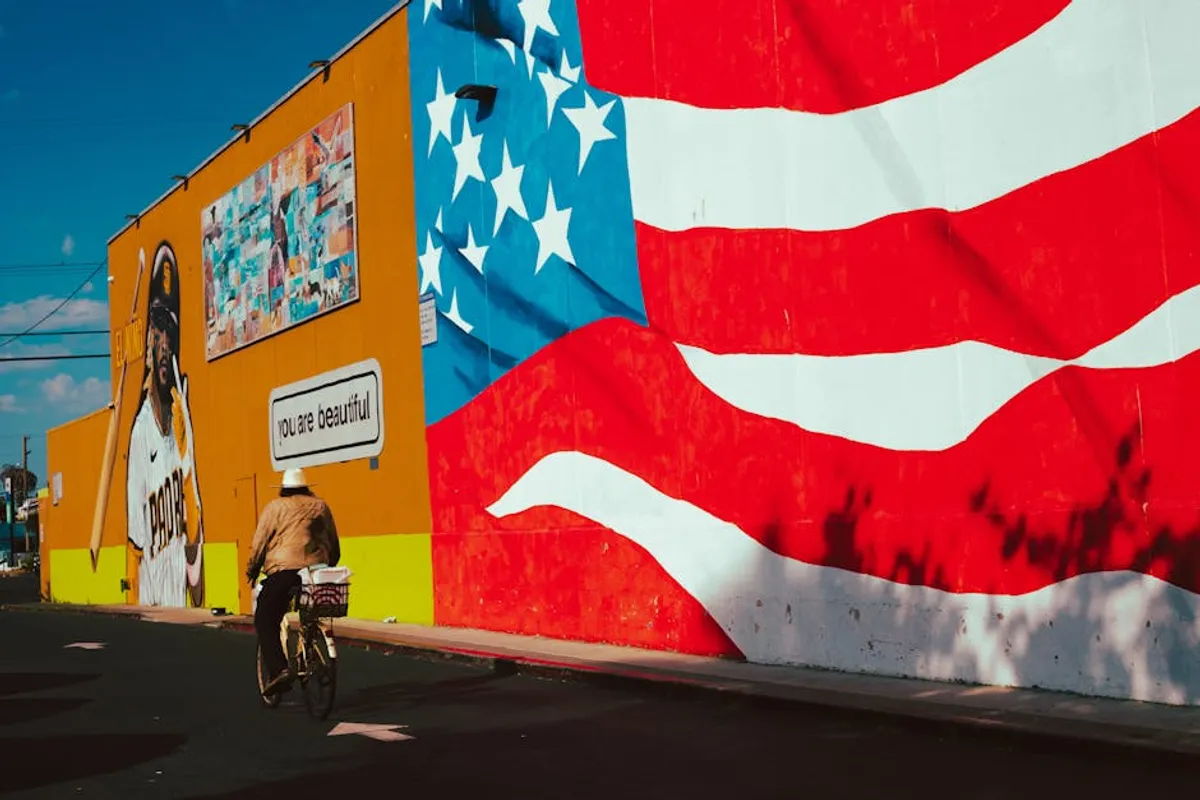
Community murals represent more than just large-scale artwork; they are strategic investments in public space, cultural identity, and community engagement. For organizations, brands, and municipal bodies, understanding the mechanics and impact of these collaborative art projects is crucial for effective placemaking, brand visibility, and fostering social cohesion. This explanation outlines the defining characteristics, developmental stages, and tangible benefits associated with community murals, offering a practical framework for engagement. For organizations, brands, and municipal bodies, understanding the mechanics and impact of these collaborative art projects is crucial for effective placemaking, brand visibility, and fostering social cohesion, as these murals are essentially strategic investments in public space.
Defining Features of Community Murals
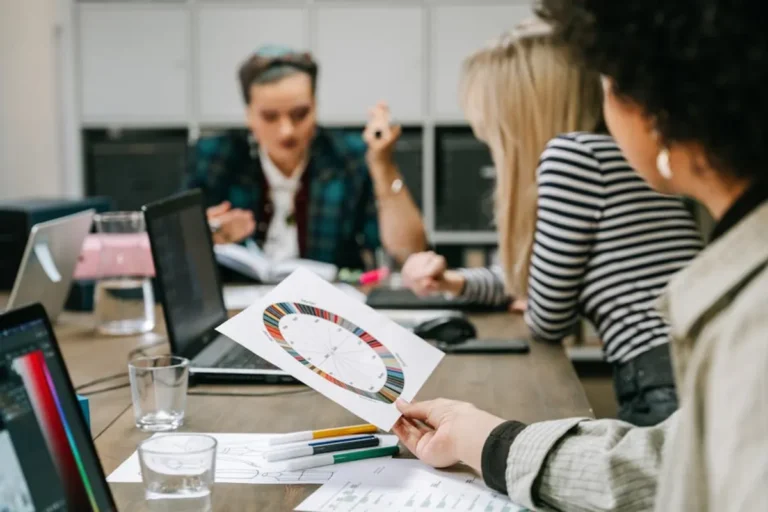
Community murals are distinct from other public art forms due to their emphasis on collective creation and local relevance. They typically involve a collaborative process, engaging local residents, artists, and stakeholders in their design and execution. This participatory approach ensures the artwork reflects the community's narratives, values, and aspirations, fostering a sense of ownership and pride among participants.
- Collaborative Design Process: Involves workshops, surveys, or public meetings to gather input from diverse community members, ensuring the mural's theme and imagery resonate locally.
- Public Accessibility: Installed in visible, accessible public spaces, such as building facades, underpasses, or park walls, making art freely available to all.
- Thematic Relevance: Often depicts local history, cultural heritage, social issues, environmental themes, or aspirational messages pertinent to the immediate community.
- Non-Commercial Focus: While often funded by commercial entities or grants, the primary intent is community benefit and artistic expression, not direct product promotion.
Project Lifecycle: From Concept to Completion
Developing a community mural project involves several structured phases, each requiring careful planning and stakeholder coordination. Successful projects prioritize genuine community input and transparent processes.
Initial Concept and Design Development
This phase begins with identifying a suitable site and understanding the community's needs and interests. Artists or art facilitators work with community groups to brainstorm themes, imagery, and stylistic approaches. Multiple design iterations may be presented for feedback, ensuring the final concept aligns with community expectations and practical considerations like site visibility and structural integrity.
Funding Acquisition and Regulatory Approvals
Securing financial resources is paramount. Funding often comes from a combination of public grants (arts councils, urban development funds), corporate sponsorships, non-profit organizations, and crowdfunding. Simultaneously, obtaining necessary permits from local government bodies, property owners, and historical preservation committees is critical. This includes reviewing zoning laws, public art policies, and structural safety assessments for the chosen wall or surface.
Mural Execution and Community Engagement
Once designs are approved and funding is secured, the physical creation begins. This phase frequently involves professional artists leading painting efforts, often supported by community volunteers who participate in preparatory work, painting sections, or organizing support activities. Community workshops held alongside the painting process can deepen engagement, offering educational opportunities and fostering skill-sharing.
Maintenance and Long-Term Stewardship
A mural's longevity depends on a robust maintenance plan. This includes selecting durable, weather-resistant paints and protective coatings. Establishing a fund or volunteer network for periodic cleaning, touch-ups, and graffiti removal ensures the artwork remains vibrant and respected over time. Long-term stewardship often involves local community groups or municipal departments taking responsibility for ongoing care.
Pro Tip: Genuine community engagement extends beyond initial feedback sessions. Involve local residents in the decision-making at multiple stages, from artist selection to thematic development and even hands-on painting. This deepens ownership, minimizes potential conflicts, and ensures the mural truly reflects and serves its intended audience, rather than merely being placed upon them.
Strategic Benefits for Stakeholders
Community murals deliver multifaceted advantages, impacting urban environments, social dynamics, and organizational reputations.
Placemaking and Urban Revitalization
Murals transform underutilized or neglected urban spaces into vibrant cultural landmarks. They contribute to a neighborhood's aesthetic appeal, enhancing pedestrian experience, increasing foot traffic, and often stimulating local economic activity by attracting visitors. This visual uplift can deter vandalism and foster a safer, more inviting public realm.
Fostering Community Cohesion and Identity
The collaborative process of mural creation builds social capital, bringing diverse community members together toward a shared goal. The finished artwork serves as a visual anchor for local identity, celebrating shared heritage, promoting dialogue on important issues, and reinforcing a sense of belonging among residents.
Brand Visibility and Corporate Social Responsibility
For corporate sponsors, supporting a community mural offers a tangible demonstration of corporate social responsibility (CSR). This can generate positive public relations, enhance brand perception, and provide unique opportunities for employee engagement through volunteering. The mural itself acts as a highly visible, long-term public advertisement for the sponsoring entity's commitment to local communities.
Economic Impact and Local Artist Support
Mural projects directly support local artists, providing employment and visibility for their work. They can also indirectly boost local economies by drawing visitors to neighborhoods, benefiting nearby businesses such as cafes, shops, and galleries. This creates a positive feedback loop, strengthening the local creative economy.
Sustaining Mural Projects
To ensure the enduring positive impact of community murals, organizations should focus on integrating these projects into broader community development plans. Consider establishing dedicated public art funds, fostering ongoing partnerships between artists and community groups, and implementing educational programs that highlight the cultural and social value of public art. Regular assessments of a mural's condition and community perception can inform future maintenance and engagement strategies.
Frequently Asked Questions
What is the typical timeline for a community mural project?
A community mural project can take anywhere from three months to over a year, depending on its complexity, scale, funding acquisition, and the extent of community engagement. Design and approval phases often take the longest, while the painting itself can be completed in a few weeks to months.
How are community mural artists typically selected?
Artists are often selected through a competitive request for proposals (RFP) process, an open call, or by direct invitation based on their portfolio and experience with public art or community-based projects. Emphasis is placed on an artist's ability to collaborate and translate community input into a cohesive visual narrative.
What are common funding sources for community murals?
Common funding sources include government arts grants (national, state, local), corporate sponsorships, philanthropic foundations, non-profit organizations focused on community development or arts, and grassroots crowdfunding campaigns.
How can a community mural project measure its impact?
Impact can be measured through various metrics, including increased foot traffic in the area, community surveys assessing pride and engagement, media coverage generated, volunteer hours contributed, and qualitative feedback from local residents and businesses regarding aesthetic improvement and social cohesion.