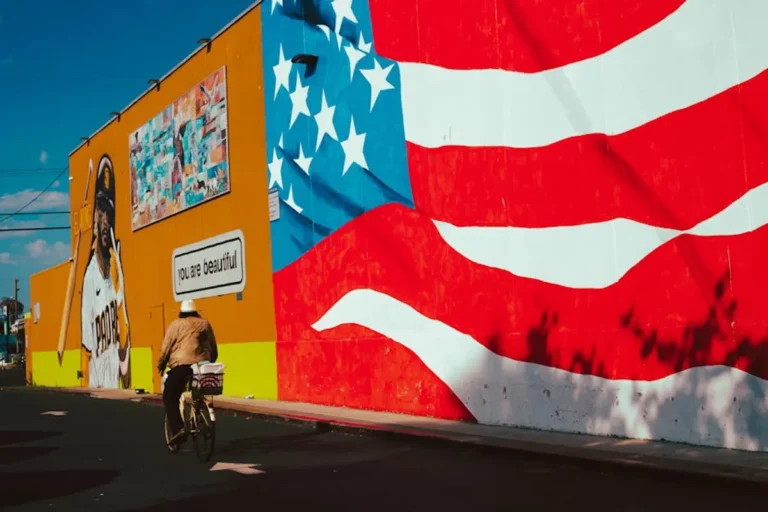

While often conflated, street art and graffiti represent distinct approaches to public visual expression, each carrying unique intentions, methods, and implications. Understanding these differences is crucial for anyone engaging with urban aesthetics, from city planners and cultural institutions to brands seeking authentic community connection or marketers analyzing visual trends. The distinction moves beyond mere semantics; it informs legal considerations, public perception, and commercial viability.
Graffiti: Roots in Rebellion and Recognition
Graffiti, in its foundational form, is primarily a subcultural phenomenon rooted in the act of writing. Its origins are deeply intertwined with identity, territorial marking, and a direct challenge to established norms. Historically, graffiti emerged from tagging – stylized signatures used by individuals or crews to mark their presence, often in illicit spaces. The emphasis is on the act itself, the repetition of a name or symbol, and the inherent risk involved.
Defining characteristics include:
- Intent: Primarily self-referential, focused on personal or crew recognition, rebellion against authority, and asserting presence. The message is often for an insider audience.
- Legality: Overwhelmingly unauthorized. The clandestine nature of its creation is often central to its identity.
- Medium: Predominantly spray paint and markers, chosen for speed, portability, and impactful application.
- Aesthetics: Characterized by stylized lettering (tags, throw-ups, pieces), often complex and abstract, prioritizing legibility within the subculture rather than universal appeal.
The commercial utility of understanding graffiti often lies in its raw authenticity and counter-cultural appeal. Brands sometimes attempt to co-opt graffiti aesthetics, but this carries risks of appropriation if not handled with genuine understanding of its origins and community.
Street Art: Public Engagement and Artistic Expression
Street art, by contrast, generally evolved from a desire to communicate broader messages, engage a wider public, and often leverage public spaces as an open-air gallery. While it shares graffiti's public platform, its motivations are typically more aligned with traditional fine art, albeit in an unconventional setting. Street artists often seek to provoke thought, beautify spaces, or offer social and political commentary.
Evolving artistic approaches:
- Intent: Focused on communicating a message to a broad public, aesthetic enhancement, social commentary, or artistic expression. The artist often seeks a dialogue with the viewer.
- Legality: Varies significantly. While some street art is unauthorized, a substantial portion is commissioned, permitted, or created in spaces where enforcement is less stringent.
- Medium: Highly diverse, extending far beyond spray paint. This includes stencils, paste-ups (wheatpasting), murals, stickers, mosaics, sculptures, yarn bombing, and even digital projections.
- Aesthetics: Often figurative, illustrative, or abstract in ways that are accessible to a general audience. The focus is on visual impact, narrative, and artistic skill in a public context.
From a commercial standpoint, street art offers significant opportunities. Its public-facing nature and often positive reception make it suitable for urban revitalization projects, public art installations, and brand collaborations seeking to align with creativity and community engagement.
Pro Tip: When evaluating urban art for commercial projects or public initiatives, always verify the artist's history and the work's legal status. Mistaking unauthorized graffiti for commissioned street art can lead to legal disputes, negative public relations, and a misrepresentation of brand values.
Key Differentiators in Practice
The practical distinctions between street art and graffiti extend beyond their definitions, impacting how they are perceived, managed, and valued:
Audience & Accessibility: Graffiti often speaks to an 'in-group,' with its complex codes and stylized lettering requiring cultural literacy to fully appreciate. Street art typically aims for broader appeal, using more universally understood imagery and narratives to engage a diverse public.
Permission & Longevity: Graffiti's illicit nature means it is often ephemeral, subject to removal or being painted over. Street art, especially when authorized, can be more permanent, becoming fixtures in urban landscapes and contributing to cultural heritage.
Commercialization & Collectibility: While graffiti has a niche market, street art has more readily transitioned into the mainstream art market. Artists like Banksy or Shepard Fairey, who began in public spaces, now command significant prices in galleries, demonstrating street art's broader commercial appeal and collectibility.
Impact on Urban Environment: Graffiti is frequently associated with blight and vandalism, leading to significant clean-up costs for municipalities. Street art, particularly murals, is often seen as a tool for urban beautification, fostering community pride and attracting tourism.
The Blurring Lines and Evolving Landscape
It is important to acknowledge that the boundaries between street art and graffiti are not always rigid. Many artists transition between styles, incorporating elements of graffiti into their street art or bringing fine art techniques to their tagging. The evolution of both forms means that a piece might defy easy categorization, reflecting a dynamic urban art ecosystem. Some artists who started with traditional graffiti have evolved into highly respected muralists, demonstrating a personal progression that mirrors the broader cultural shift in perception.
Strategic Engagement with Urban Art
For marketers, urban planners, and cultural institutions, a nuanced understanding of street art versus graffiti enables more effective and authentic engagement. Recognizing the intent behind a piece of public art dictates the appropriate response, whether it's conservation, commissioning, or removal.
When considering projects involving urban art:
- Define objectives: Is the goal community engagement, brand visibility, urban beautification, or cultural preservation? This informs the choice of artist and style.
- Understand legality: Always prioritize obtaining proper permissions for any public art installation. Unauthorized work, regardless of artistic merit, carries legal and reputational risks.
- Respect artist intent: If collaborating with an artist, ensure their vision aligns with the project's goals. Authenticity is paramount in urban art contexts.
- Consider audience: Reflect on who the art is intended for and how it will be received by different segments of the public.
Frequently Asked Questions
Is all street art legal?
No, not all street art is legal. While a significant portion is commissioned or permitted, many street artists still create unauthorized works to maintain a subversive edge or to express immediate commentary without bureaucratic delays. The legality often depends on permission from property owners.
Can graffiti be considered art?
Yes, graffiti is widely recognized as an art form, particularly within its own subculture and increasingly by the broader art world. Its complex lettering, color schemes, and stylistic evolution demonstrate significant artistic skill and creativity, despite its often illicit nature.
Why do cities remove graffiti but promote street art?
Cities typically remove graffiti because it is unauthorized property defacement, often associated with vandalism and a decline in public order. Street art, especially murals, is often promoted when it is commissioned, enhances public spaces, deters unauthorized tagging, and contributes positively to community aesthetics and tourism.
What is the primary difference in message?
Graffiti's primary message is often about individual or crew identity, presence, and rebellion, speaking to an insider audience. Street art generally aims for broader communication, offering social commentary, aesthetic enhancement, or a narrative for a general public audience.