Art and urban identity are inextricably linked, forming a critical nexus for city planners, developers, and marketers. The deliberate integration of art into public spaces transcends mere aesthetics; it acts as a powerful tool for placemaking, economic development, and cultural expression. Understanding this relationship is essential for stakeholders looking to cultivate distinct urban environments that attract residents, businesses, and tourists, while simultaneously reflecting and shaping the local narrative. This goes beyond commissioning individual pieces; it involves strategic planning to leverage art as an asset that defines a city's brand, enhances livability, and drives commercial value. This integration process can be significantly enhanced by effectively featuring emerging artists who bring fresh perspectives and local talent to the urban landscape.
The Symbiotic Relationship Between Art and Cityscape
Public Art as a Placemaking Tool
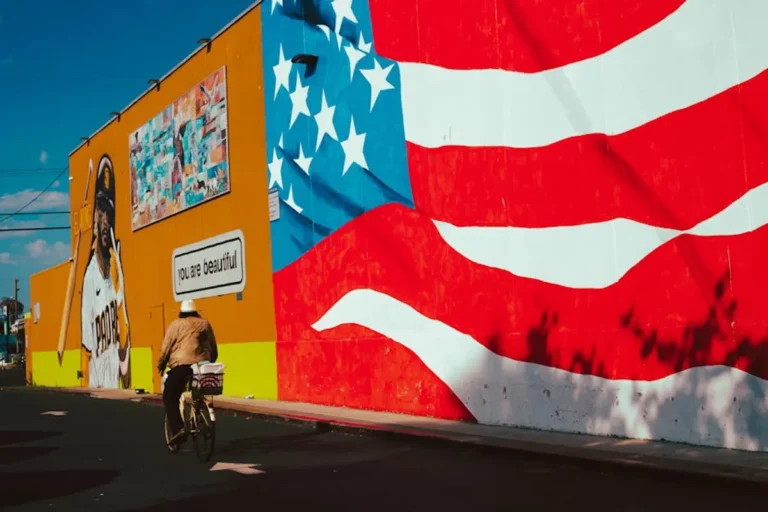
Public art installations, from large-scale murals to sculptural works and interactive exhibits, serve as potent placemaking tools. They transform nondescript areas into memorable destinations, creating visual landmarks that anchor communities and provide points of orientation. These interventions contribute directly to a neighborhood's character, fostering a sense of belonging and encouraging pedestrian traffic. For commercial districts, strategically placed public art can increase footfall, benefiting local businesses by drawing visitors who linger longer and engage more deeply with their surroundings. The economic impact extends to property values, as art-infused areas often become more desirable for both residential and commercial investment.
Reflecting and Shaping Local Narratives
Urban art functions as a visual chronicle, communicating a city's history, social dynamics, and future aspirations. It can celebrate local heroes, commemorate significant events, or address contemporary social issues, providing a voice for diverse communities. This narrative function is not passive; art actively shapes how both residents and outsiders perceive a city. A vibrant, thought-provoking public art scene signals cultural vitality and openness, influencing decisions around relocation, business investment, and tourism. When art genuinely reflects local identity, it builds authenticity and resilience, making the urban fabric more robust and appealing.
Commercial Implications and Value Creation
Enhancing Property Values and Investment
Districts rich in public art often experience a measurable uplift in property values. The presence of curated art can signal investment in infrastructure, cultural amenities, and a higher quality of life, which are key drivers for real estate appreciation. Developers frequently incorporate art into new projects to differentiate properties and attract tenants or buyers who value cultural engagement. This creates a positive feedback loop: art attracts investment, which in turn fuels further artistic and urban development, leading to sustained economic growth.
Driving Tourism and Economic Development
Cities with distinctive urban art scenes become magnets for cultural tourism. Street art festivals, public art trails, and open-air galleries draw visitors seeking unique experiences beyond traditional attractions. This influx of tourists directly benefits local economies through increased spending on accommodation, dining, retail, and transportation. Beyond direct spending, a strong cultural reputation built on art can enhance a city's overall brand, attracting conferences, events, and a creative workforce, diversifying its economic base.
City Branding and Identity Marketing
Urban art provides a powerful, often organic, platform for city branding. It offers visual shorthand that communicates a city's unique personality and values to a global audience. From iconic murals to innovative installations, art can become synonymous with a city's identity, distinguishing it from competitors. This is particularly valuable for attracting talent, fostering innovation, and securing international recognition.
- Street Art Festivals: Annual events like Art Basel in Miami or POW! WOW! worldwide transform neighborhoods, drawing global attention.
- Public Art Commissions: Government or private initiatives that fund large-scale, permanent installations, often by renowned artists, creating cultural landmarks.
- Designated Art Districts: Concentrated areas of galleries, studios, and public art that become cultural hubs, attracting visitors and businesses.
- Interactive Installations: Art that encourages public participation, fostering community engagement and shareable digital content.
Challenges and Considerations in Urban Art Integration
Authenticity vs. Gentrification
While urban art can revitalize areas, a significant challenge lies in balancing authenticity with the risk of gentrification. Organic, grassroots art often emerges in underserved neighborhoods, but its popularity can attract developers, leading to increased rents and displacement of original residents and artists. Careful planning is required to ensure that art-led regeneration benefits existing communities rather than displacing them, maintaining the cultural integrity that initially attracted attention.
Maintenance, Preservation, and Vandalism
Public art is exposed to environmental elements and potential vandalism, necessitating robust maintenance and preservation strategies. Funding for conservation, cleaning, and repair must be factored into long-term plans. The choice of materials, installation techniques, and site selection are critical considerations to ensure durability and longevity. Neglecting these aspects can lead to deterioration, diminishing the art's impact and the city's investment.
Legal and Permitting Frameworks
Navigating the legal landscape for public art involves intellectual property rights for artists, permitting for installations in public spaces, and agreements for ongoing maintenance. Clear guidelines are essential to protect artists' work, ensure public safety, and streamline the approval process for new projects. Ambiguous regulations can deter artists and developers, hindering the growth of a vibrant urban art scene.
Pro Tip: Successful urban art initiatives prioritize authentic community engagement from conception to execution. Involving local residents and artists in the planning process ensures that art genuinely reflects the neighborhood's identity and fosters a sense of ownership, mitigating risks of gentrification and enhancing long-term impact.
Strategic Approaches to Fostering Urban Art
Curated Public Art Programs
Cities and private entities can establish curated public art programs that commission works, manage installations, and develop thematic art trails. These programs ensure artistic quality, thematic relevance, and strategic placement, aligning art initiatives with broader urban development goals. Professional curation helps build a cohesive and impactful art collection that enhances the city's aesthetic and cultural capital.
Supporting Local Artists and Communities
Investing in local artistic talent is fundamental to fostering an authentic urban identity. This includes providing grants, studio spaces, mentorship programs, and opportunities for local artists to showcase their work. Engaging community members in art workshops, participatory design processes, and public art creation fosters a sense of collective ownership and ensures that art truly reflects the local spirit.
Digital Integration and Accessibility
Leveraging digital platforms can significantly enhance the reach and impact of urban art. Interactive maps, augmented reality experiences, and online narratives can provide context, artist information, and self-guided tours. Digital integration makes art more accessible, engages a wider audience, and allows for dynamic storytelling that deepens appreciation and understanding of the urban artistic landscape.
Cultivating a Distinct Urban Aesthetic
The strategic integration of art into the urban fabric is not merely an amenity; it is a fundamental component of city-building and economic strategy. By understanding art's capacity to define identity, drive commercial value, and engage communities, stakeholders can develop environments that are not only visually compelling but also culturally rich and economically vibrant. Deliberate planning, community involvement, and sustained investment are key to harnessing the transformative power of art in shaping truly distinctive urban identities.
Frequently Asked Questions
How does urban art contribute to a city's economy?
Urban art boosts a city's economy by attracting tourism, increasing foot traffic for local businesses, enhancing property values, and strengthening the city's brand to draw talent and investment.
What are the main challenges in developing public art initiatives?
Key challenges include balancing authenticity with gentrification risks, securing long-term funding for maintenance and preservation, and navigating complex legal and permitting frameworks for installations.
Can urban art genuinely prevent gentrification?
While urban art can inadvertently contribute to gentrification, strategic initiatives that prioritize community involvement, affordable artist spaces, and equitable development policies can help mitigate displacement and ensure benefits are shared locally.
How can cities best support local artists through public art?
Cities can support local artists by providing grants, commissioning opportunities, offering affordable studio spaces, and creating mentorship programs that integrate local talent into public art projects.