Street art encompasses a broad spectrum of visual expressions, each with distinct characteristics, historical roots, and commercial implications. For collectors, urban developers, or art enthusiasts, differentiating between these styles is crucial for informed appreciation, potential acquisition, or commissioning. Understanding whether a piece is a spontaneous tag, a meticulously planned mural, or a replicable stencil informs its context, longevity, and perceived value. This distinction guides engagement, from supporting local artists to integrating public art into urban planning, by clarifying the intent and execution behind each form.
Graffiti: The Foundation of Urban Expression
Graffiti, often the most recognized and debated form of street art, originated from subcultures, particularly in New York City during the 1970s. Its core identity lies in letter-based forms, ranging from simple "tags" – stylized signatures – to complex "wildstyle" pieces that are intricate and often illegible to the untrained eye. Artists prioritize unique lettering, dynamic flow, and vibrant color palettes, using spray paint as the primary medium for its speed and broad coverage.
- Key Characteristics: Emphasis on personal style, often anonymous or pseudonymous. Rapid execution, frequently unsanctioned.
- Materials: Primarily aerosol spray paint, supplemented by markers for outlines and details.
- Context: Historically linked to territorial marking, self-expression, and a counter-cultural ethos. Its ephemeral nature, due to removal or being painted over, is often part of its appeal.
Commercial Relevance: While traditional graffiti often operates outside commercial frameworks, its aesthetic has influenced graphic design, fashion, and fine art. Some graffiti artists transition to gallery work or sanctioned mural projects, translating their distinct letterforms and color theory into collectible pieces or brand collaborations.
Murals: Large-Scale Narratives and Public Art
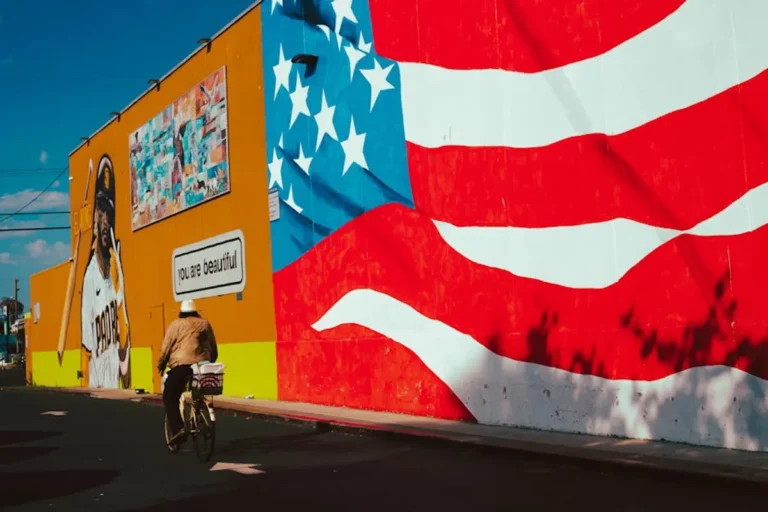
Murals represent a more formalized and often sanctioned approach to street art, distinguished by their large scale and typically detailed, narrative, or figurative content. Unlike the spontaneous nature of much graffiti, murals are usually planned, often commissioned, and designed to integrate with the architectural or community context. Their history stretches back to ancient civilizations, evolving through public art movements of the 20th century to modern urban beautification projects.
- Key Characteristics: Large format, often covering entire walls or buildings. Detailed imagery, frequently storytelling or thematic. Typically sanctioned and community-focused.
- Materials: A broader range than graffiti, including acrylic paints, house paints, and spray paint used for blending and fine details. Scaffolding or lifts are common tools.
- Context: Often serves civic purposes, promoting community identity, historical narratives, or social messages. Designed for longevity and public viewing.
Commercial Relevance: Murals are a cornerstone of urban revitalization, tourism, and corporate branding. Cities commission murals to deter vandalism, enhance public spaces, and reflect local culture. Businesses use murals for advertising, creating landmarks, or improving their premises' aesthetic appeal, making them a significant avenue for artists to secure paid work.
Stencils: Precision, Repetition, and Political Commentary
Stencil art utilizes pre-cut templates to quickly apply images or text onto surfaces, characterized by its sharp edges and often graphic, high-contrast aesthetic. This method allows for replication and rapid deployment, making it a favored technique for political messaging, social commentary, and guerrilla art tactics. Its rise in prominence is often associated with artists like Banksy, who demonstrated its potential for impactful, often subversive, public statements.
- Key Characteristics: Graphic, often monochromatic or limited color palette. Replicable imagery with crisp lines. Can be applied quickly and discreetly.
- Materials: Stencils cut from cardboard, plastic, or metal; applied with spray paint, rollers, or brushes.
- Context: Frequently used for protest art, parody, or to highlight social issues. The replicability allows for widespread distribution of a message.
Commercial Relevance: While often rooted in activism, stencil art has found commercial applications in printmaking, limited edition art sales, and merchandise. The distinct, graphic style is appealing for branding and can be adapted for sanctioned projects where a clear, bold message is desired. Artists can sell original stencils or prints derived from their street work.
Beyond the Canvas: Other Forms of Street Art
The urban environment inspires diverse artistic approaches that extend beyond traditional painting techniques. These forms offer unique aesthetic and conceptual contributions to the street art landscape.
Wheatpasting and Paste-Ups: Ephemeral Statements
Wheatpasting involves adhering printed paper images or posters to walls using a wheat-based adhesive. This technique allows artists to create detailed, often photographic or graphic design-heavy pieces in a studio setting, then quickly install them in public spaces. The medium is inherently temporary, susceptible to weather and removal, which contributes to its ephemeral charm and often urgent messaging.
- Characteristics: Often photographic or intricate graphic designs. High level of detail possible due to pre-production.
- Materials: Printed paper (posters, photographs), wheatpaste or other adhesives.
- Context: Ideal for rapid deployment of complex images, large-scale portraiture, or advertising.
Commercial Relevance: Popular for promoting events, music, or activist campaigns. Artists can sell original prints or designs that are then wheatpasted, creating a bridge between street presence and collectible art.
Sticker Art: Micro-Interventions
Sticker art, or "slap tagging," involves placing pre-designed stickers in public spaces. These can range from simple hand-drawn labels to elaborate, professionally printed vinyl decals. Sticker artists often leverage high volume and widespread distribution to establish their presence, making small, frequent interventions in the urban fabric.
- Characteristics: Small scale, high replicability, quick application. Often features characters, logos, or short messages.
- Materials: Various types of adhesive stickers, from paper to durable vinyl.
- Context: A low-cost, high-impact method for artists to gain visibility and interact with the urban environment.
Commercial Relevance: Common for artist branding, merchandise, and guerrilla marketing campaigns. Many street artists sell sticker packs as accessible entry points for collectors.
Sculptural and Installation Street Art: Three-Dimensional Engagement
This category encompasses three-dimensional objects or arrangements placed in public spaces, often interacting with the existing environment. These works can be temporary or permanent, ranging from small, subtle additions to large-scale, interactive installations. Materials are highly varied, often utilizing found objects, repurposed materials, or traditional sculptural media.
Characteristics: Three-dimensional, site-specific, often interactive or designed to provoke thought through physical presence.
Materials: Highly diverse, including metal, wood, fabric, plastic, found objects, and recycled materials.
Context: Challenges perceptions of public space, can be playful, critical, or purely aesthetic. Often encourages direct engagement from viewers.
Commercial Relevance: Public art commissions for urban development, temporary exhibitions, and art festivals. These installations can become tourist attractions or community focal points, providing significant commercial opportunities for artists and cities.
Pro Tip: When documenting or collecting street art, always verify the legality and permanence of the work. Sanctioned murals are often protected and documented, whereas unsanctioned graffiti or paste-ups are inherently ephemeral. Understanding this distinction is crucial for assessing potential value, longevity, and ethical engagement with the artwork and its creator.
Navigating the Diverse Landscape of Street Art
The world of street art is rich with stylistic diversity, each form offering a unique lens through which to view urban culture and artistic expression. From the raw energy of graffiti to the civic grandeur of murals and the pointed commentary of stencils, these styles represent distinct artistic intentions and public interactions. Recognizing these differences allows for a deeper appreciation of the artists' craft, the cultural messages embedded in the work, and the role art plays in shaping our shared environments. For those looking to support artists, commission public works, or simply understand the urban canvas, a clear grasp of these styles is an indispensable tool. Understanding the distinctions between graffiti and murals helps clarify the broader conversation about street art's diverse forms.
Common Questions About Street Art Styles
What is the primary difference between graffiti and murals?
Graffiti typically focuses on stylized lettering, often executed quickly and unsanctioned, emphasizing individual expression. Murals are large-scale, planned compositions, often figurative or narrative, usually sanctioned, and designed for long-term public viewing.
Are all forms of street art legal?
No. Street art can be legal or illegal depending on whether the artist has permission from the property owner. Murals are almost always legal and commissioned, while much graffiti and some stencil art or paste-ups are created without explicit permission.
Can street art be collected or purchased?
Yes. While many street art forms are ephemeral, artists often create studio pieces, prints, or photographs inspired by their street work. Sanctioned murals can be commissioned, and smaller works like stickers or wheatpaste prints are often sold directly by artists.
How do artists choose which street art style to use?
Artists select styles based on their message, desired impact, available time, and intended audience. For instance, stencils are effective for quick, replicable political messages, while murals are better suited for large-scale, detailed community narratives.