The contemporary traveler increasingly seeks experiences that transcend conventional landmarks, prioritizing authenticity, local immersion, and a deeper cultural understanding. Street art walking tours precisely meet this demand, offering a dynamic lens through which to explore urban environments. These tours move beyond passive observation, inviting participants to engage with the narratives, politics, and social commentary embedded in public art. For tour operators, destination marketers, and cultural institutions, understanding the nuances of these experiences is key to crafting compelling offerings that resonate with a discerning audience. For tour operators, destination marketers, and cultural institutions, understanding the nuances of these experiences is key to crafting compelling ideas for street art tours that attract modern travelers.
Defining the Street Art Tour Value Proposition
A well-conceived street art tour delivers more than just visual spectacle; it provides a unique educational and cultural journey. The inherent value lies in its ability to connect travelers directly with the pulse of a city's creative and social landscape, often revealing layers not accessible through traditional tourism.
Authenticity and Local Immersion
Street art is, by its very nature, a reflection of local sentiment, issues, and artistic talent. Unlike museum pieces, it interacts directly with its environment and the community. Tours that highlight this interaction—explaining how a mural responds to a specific building, a neighborhood's history, or a current event—offer an unfiltered glimpse into urban life. This direct engagement fosters a sense of authenticity that is highly prized by travelers looking to move beyond curated tourist traps.
Beyond the Gallery Wall
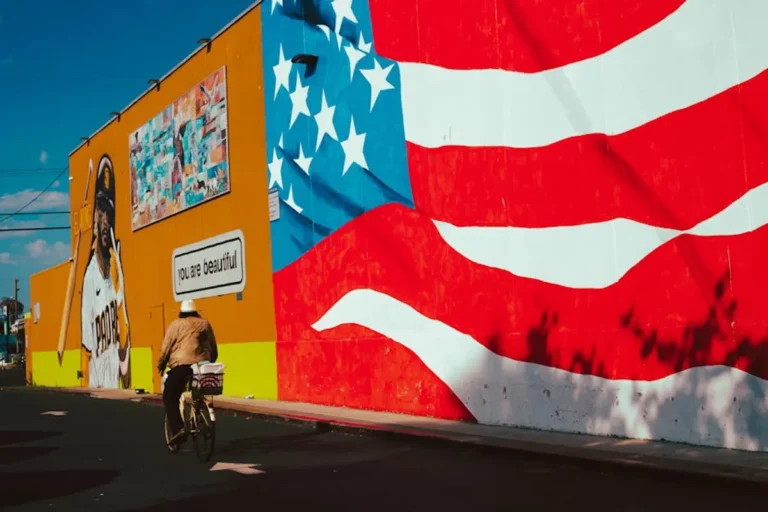
Street art democratizes art consumption. It removes barriers of entry, making art accessible to everyone, regardless of background or prior art knowledge. A street art tour capitalizes on this accessibility, transforming city streets into open-air galleries. This approach appeals to a broad demographic, including those who might find traditional art institutions intimidating, by presenting art in a context that feels immediate and relevant.
Historical and Societal Context
Many street art pieces are powerful forms of social commentary, political protest, or historical commemoration. Effective tours provide the context necessary to interpret these works, explaining the artists' motivations, the historical events they reference, or the community dialogues they spark. This educational layer elevates the experience from a simple visual walk to a profound exploration of urban history, sociology, and contemporary issues.
Conceptualizing Engaging Tour Formats for Travelers
The "ideas" for street art tours stem from diverse approaches to curation, narrative, and interaction. Tailoring the tour format to specific interests can significantly enhance its appeal and commercial viability.
Thematic Journeys
Instead of a general overview, thematic tours offer a deep dive into specific aspects of street art, attracting niche audiences with particular interests.
- Political Commentary & Activism Murals: Focus on artworks that address social justice, human rights, environmental issues, or historical protests. These tours often resonate with travelers seeking to understand a city's sociopolitical landscape through its art.
- Stencil Art & Graffiti Evolution: Explore the techniques, history, and key figures behind specific street art styles. This appeals to art enthusiasts interested in the technical and historical progression of urban art forms.
- Abstract & Contemporary Murals: Highlight works that prioritize form, color, and conceptual expression over overt narrative, appealing to those with an interest in modern art aesthetics.
Neighborhood Deep Dives
Concentrating on a single district allows for a more granular and intimate exploration. This format reveals how street art shapes, and is shaped by, the unique character of a specific urban area.
Focus: A comprehensive examination of a particular neighborhood's street art, tracing its evolution, identifying recurring artistic themes, and understanding its relationship to local businesses and residents.
Benefit: Offers a hyper-local perspective, ideal for travelers who prefer slow travel or wish to delve profoundly into one area, providing a richer, less superficial experience than a city-wide overview.
Interactive & Experiential Tours
Integrating interactive elements transforms passive viewing into active participation, enhancing engagement and memorability.
Elements: Incorporating QR codes that link to artist interviews, behind-the-scenes videos, or historical documents; utilizing augmented reality (AR) apps to reveal hidden layers or animations; or even offering mini-workshops (e.g., basic stencil creation) as part of the tour package.
Engagement: These features cater to tech-savvy travelers and those who seek a more hands-on, multi-sensory experience, making the art feel more dynamic and accessible.
Nighttime & Illuminated Art Walks
The urban landscape takes on a different character after dusk, offering unique opportunities for street art appreciation.
Atmosphere: Evening tours can highlight pieces that incorporate reflective materials, neon, or projection mapping, or simply offer a distinct visual experience under artificial light. The reduced crowds often contribute to a more contemplative atmosphere.
Appeal: Provides unique photographic opportunities and a distinct urban ambiance, appealing to photographers and those seeking a different perspective on familiar artworks.
Operational Considerations for Tour Providers & Travelers
Whether self-guided or professionally led, successful street art tours require thoughtful planning and an understanding of ethical engagement.
Self-Guided vs. Expert-Led Tours
Travelers have distinct preferences for how they explore, influencing the choice between independent and structured experiences.
Self-Guided: Offers maximum flexibility and cost-effectiveness. Requires pre-planning using digital maps, specialized apps, or curated online resources that provide locations and background information. This option appeals to independent travelers who prefer to set their own pace.
Expert-Led: Provides invaluable insights from local guides, often including stories about the artists, the creation process, and the social context that might be missed otherwise. These tours typically offer a more comprehensive and interpretative experience, often ensuring ethical interaction with the art and community.
Ethical Engagement with Street Art
Responsible tourism extends to how travelers interact with public art and the communities that host it.
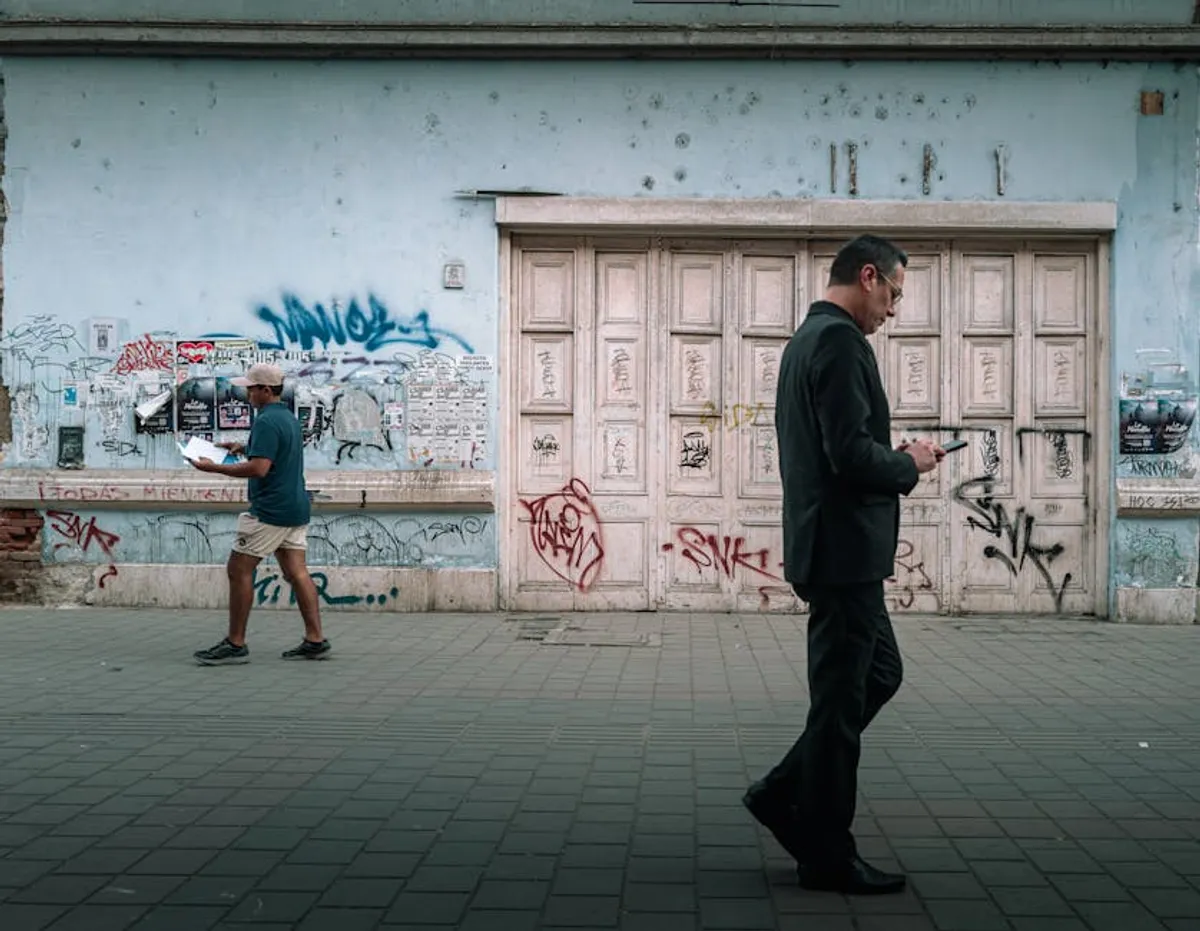
Respect: Participants should be instructed not to touch, deface, or add to artworks unless explicitly invited by the artist or community project. Understanding whether a piece is legally sanctioned or unsanctioned graffiti is crucial for respectful viewing.
Community: Tours should aim to support local artists and businesses where possible. Guides should emphasize being mindful of noise levels and privacy, especially in residential areas, ensuring that the tour benefits rather than disrupts the local community.
Pro Tip: When planning a street art tour, always verify the legality and permanence of the artworks. Many pieces are ephemeral or created without official permission, meaning they might be removed or painted over without notice. Relying on current, local resources ensures the most up-to-date and authentic experience.
Maximizing the Traveler's Experience
Practical preparation enhances comfort and enjoyment, allowing travelers to fully immerse themselves in the art.
Essential Gear Checklist
- Comfortable walking shoes: Tours often cover significant distances over varied urban terrain.
- Water bottle: Staying hydrated is crucial, especially in warmer climates.
- Portable charger for phone/camera: For navigation, photography, and accessing digital content.
- Weather-appropriate clothing: Adapt to local conditions, as tours are typically outdoors.
- Small backpack: To carry essentials without hindrance.
Photography Best Practices
Capturing street art respectfully involves more than just pointing and shooting. Consider composition, natural lighting, and avoiding glare. Always be mindful of people in the vicinity, particularly residents, and obtain consent if they are prominently featured in your photographs.
Charting Your Urban Art Exploration
Street art walking tours offer a compelling alternative to conventional sightseeing, providing deep cultural insight and a dynamic connection to urban life. By conceptualizing tours with thematic focus, neighborhood specificity, interactive elements, or unique timing, providers can craft experiences that resonate deeply with modern travelers. For travelers, choosing between self-guided exploration and expert-led narratives, while always adhering to ethical engagement, unlocks a richer understanding of a city's artistic soul. These tours are not merely about seeing art; they are about understanding the stories and communities behind the paint, creating memorable and impactful travel experiences.
Frequently Asked Questions
What is the best way to find reputable street art tours?
Look for tours offered by local art organizations, cultural centers, or highly-rated independent guides with strong community ties. Online travel platforms often feature reviews that can help identify quality providers.
Are street art tours suitable for all ages?
Generally, yes. Most street art tours involve walking and can be adapted for various fitness levels. Content can vary, so check tour descriptions for themes that might be more adult-oriented, though much street art is family-friendly.
What should I expect regarding the legality of the art I'll see?
Street art encompasses both legally commissioned murals and unsanctioned graffiti. Reputable tours will often explain the distinction and the context of various pieces, enhancing understanding without endorsing illegal activity.
How can I support street artists and the local scene?
Many tours highlight opportunities to purchase prints or merchandise directly from artists, or recommend local galleries and shops that feature urban art. Engaging with and sharing their work responsibly on social media also provides valuable exposure.