Cities seeking to enhance their cultural appeal, stimulate local economies, and foster community engagement often turn to art walks as a dynamic solution. These curated experiences transform urban spaces into accessible galleries, inviting residents and visitors alike to explore public art in new and engaging ways. The strategic implementation of an art walk can differentiate a city, attract tourism, and provide a platform for local artists, ultimately contributing to a vibrant urban identity. The critical decision lies in selecting the right concept—one that aligns with a city's specific goals, resources, and existing cultural landscape. From temporary installations that generate immediate buzz to permanent fixtures that define a neighborhood for years, each art walk idea carries distinct advantages and logistical considerations for urban planners, tourism boards, and cultural organizations.
What to Look For in an Art Walk Idea
When evaluating art walk concepts, cities should prioritize ideas that offer clear alignment with strategic objectives, whether those are boosting tourism, fostering local artist communities, or revitalizing specific districts. Consider the target audience: is it families, art connoisseurs, or casual explorers? The chosen concept must resonate with their interests and accessibility needs. Budgetary constraints are paramount; some ideas require significant upfront investment in infrastructure or commissions, while others thrive on volunteer efforts and existing public spaces. Evaluate the local art scene and available talent pool to ensure the concept can be authentically executed. Furthermore, assess the potential for scalability and longevity. Will the art walk remain engaging over time, or can it be easily refreshed? Finally, consider the logistical demands, including permitting, security, maintenance, and marketing, to ensure a sustainable and impactful program.
1. Thematic Mural Trails
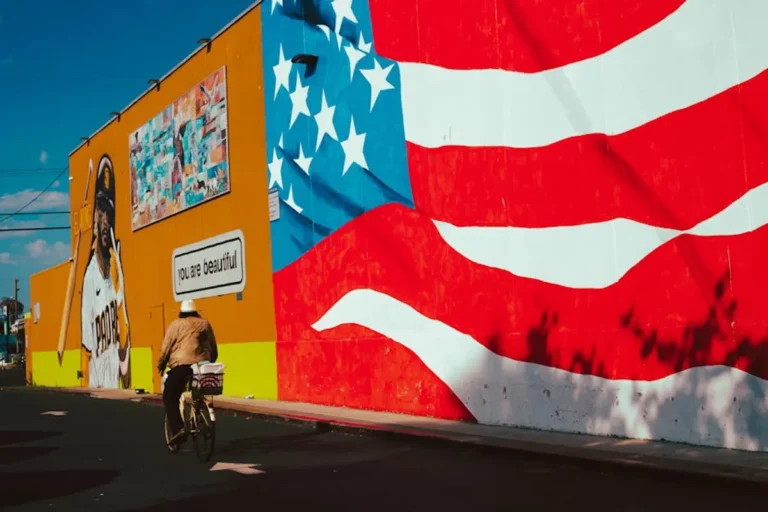
Thematic mural trails involve commissioning a series of large-scale paintings on building facades, walls, and other public surfaces, all unified by a specific theme, historical narrative, or artistic style. These trails often transform otherwise overlooked urban areas into vibrant outdoor galleries, creating a cohesive visual story that guides visitors through a neighborhood or district. The scale and permanence of murals make them significant landmarks, drawing attention and encouraging exploration along a defined path. Themes can range from local history and environmental awareness to abstract expressions, reflecting the unique character of the city.
Best for: Cities aiming to revitalize specific urban districts, celebrate local heritage, or convey a strong community message through visually impactful, large-scale public art.
Pros:
* Creates highly visible, durable public art that can significantly enhance a neighborhood's aesthetic and identity.
* Attracts foot traffic to areas that might otherwise be less visited, supporting local businesses along the trail.
* Offers strong opportunities for storytelling and educational content, enriching the visitor experience.
* Generates compelling visual content for social media and tourism marketing, promoting the city organically.
Cons:
* Significant upfront costs for artist commissions, materials, and surface preparation.
* Requires ongoing maintenance to protect against weathering, fading, and potential vandalism.
* Logistical challenges in securing property owner permissions and managing large-scale installations.
* Themes can become dated over time, requiring periodic refreshes or additions to maintain relevance.
Verdict: Thematic mural trails provide a robust, long-term cultural asset capable of transforming urban landscapes and driving economic activity, but they demand substantial initial investment and a commitment to perpetual upkeep and thematic relevance.
2. Interactive Sculpture Routes
This concept curates a pathway of public sculptures designed to encourage physical interaction, sensory engagement, or unique photo opportunities. The route can be specifically designed to highlight particular neighborhoods, historical sites, or natural landscapes, integrating art seamlessly into the urban fabric. Unlike static displays, interactive sculptures invite touch, exploration, or even participation, creating a more memorable and shareable experience for visitors. These installations can range from kinetic pieces to sound sculptures or those designed for climbing and play.
Best for: Cities aiming to drive foot traffic to specific areas, enhance public spaces with permanent, engaging installations, and offer family-friendly cultural activities that appeal to a broad audience.
Pros:
* Creates durable, long-term attractions that require less frequent refreshing than temporary exhibits.
* Generates highly shareable content for social media through unique photo ops and participatory elements, increasing organic promotion.
* Can be integrated with digital guides (QR codes, dedicated apps) for deeper artist information and route navigation.
* Supports local artists through commissions and provides significant public visibility for their work.
Cons:
* High initial investment for commissioning, fabrication, and installation of durable sculptures.
* Requires ongoing maintenance, cleaning, and protection against vandalism or environmental wear due to public interaction.
* Logistical challenges in securing appropriate sites and necessary permits for permanent installations, especially those with public interaction.
* Less dynamic than temporary exhibits, potentially leading to reduced repeat visitation if not regularly expanded or updated with new pieces.
Verdict: Interactive sculpture routes offer a robust, enduring cultural asset that can significantly define a city's aesthetic and draw consistent visitor engagement, provided there is a commitment to substantial upfront investment, long-term maintenance, and thoughtful site selection.
3. Augmented Reality (AR) Art Tours
AR art tours leverage smartphone or tablet technology to overlay digital artworks onto physical urban environments. Participants use an app to view virtual sculptures, murals, or animations that appear anchored to specific locations through their device's camera. This approach allows for dynamic, ever-changing exhibitions without physical installation, offering artists a new medium and cities a flexible way to showcase art. AR tours can be thematic, historical, or purely imaginative, transforming everyday streetscapes into immersive digital canvases.
Best for: Forward-thinking cities looking to embrace technological innovation, offer highly customizable and refreshable art experiences, and appeal to a tech-savvy demographic.
Pros:
* Low physical footprint and minimal impact on existing urban infrastructure, as no physical art needs to be installed.
* Offers unparalleled flexibility for changing exhibits, themes, and artists, allowing for frequent updates and repeat engagement.
* Attracts a younger, digitally native audience and positions the city as a hub for innovative cultural experiences.
* Provides rich data on user engagement, popular locations, and tour completion rates for future planning.
Cons:
* Requires significant investment in app development, AR content creation, and ongoing technical support.
* Dependent on users having compatible devices and reliable cellular or Wi-Fi access, potentially excluding some demographics.
* The experience is mediated through a screen, which may detract from direct engagement with the physical environment.
* Marketing must clearly communicate the technology aspect to manage user expectations and ensure adoption.
Verdict: AR art tours represent a cutting-edge approach to urban art, offering immense flexibility and appeal to modern audiences, but they demand a substantial technological commitment and a clear strategy for user adoption and content management.
4. Pop-Up Gallery District Walks
Pop-up gallery district walks involve temporarily transforming vacant storefronts, unused commercial spaces, or even public plazas into impromptu art galleries for a limited period. This strategy breathes temporary life into underutilized urban areas, showcasing a diverse range of local artists and often coinciding with existing city events or festivals. The ephemeral nature of these galleries creates a sense of urgency and discovery, encouraging visitors to explore areas they might otherwise overlook. The art on display is typically for sale, providing a direct economic benefit to artists and potentially to the host businesses.
Best for: Cities seeking to activate dormant commercial spaces, support emerging local artists, and create dynamic, event-driven cultural attractions with a relatively low long-term commitment.
Pros:
* Low overhead for long-term commitment compared to permanent installations, utilizing existing infrastructure.
* Generates immediate buzz and excitement due to its temporary and novel nature, encouraging timely visitation.
* Provides a direct sales platform for local artists, fostering economic growth within the creative community.
* Can be strategically placed to drive foot traffic to specific commercial corridors needing revitalization.
Cons:
* Requires significant logistical coordination to secure temporary leases, manage installations, and ensure security for the artwork.
* Marketing efforts must be highly concentrated and effective due to the limited duration of the pop-ups.
* The temporary nature means less long-term visual impact or landmark creation for the city.
* Reliability on securing suitable vacant spaces, which may not always be consistently available in desired locations.
Verdict: Pop-up gallery district walks are an agile and cost-effective way to inject cultural vibrancy and economic activity into urban spaces, best suited for cities that can manage complex short-term logistics and leverage temporary excitement.
5. Historical Art & Architecture Blends
This art walk concept integrates contemporary or historical artworks with significant architectural landmarks and historical sites. The tour guides participants through areas rich in history, using art installations, interpretive plaques, or digital overlays to highlight the architectural details, historical narratives, and cultural significance of the surroundings. The art pieces themselves might be modern interpretations of historical events, artistic responses to the architecture, or historically relevant works placed in their original context. This approach enriches both the art and the historical narrative, offering a multi-layered cultural experience.
Best for: Cities with a rich historical legacy and distinctive architecture, aiming to deepen visitor understanding of their past while showcasing artistic expression.
Pros:
* Enhances the educational value of historical sites, drawing new audiences to learn about the city's past.
* Creates unique interpretive experiences by juxtaposing or integrating art with historical context.
* Leverages existing city assets (historic buildings, monuments) without requiring extensive new infrastructure.
* Appeals to both history enthusiasts and art lovers, broadening the cultural tourism demographic.
Cons:
* Requires careful curatorial work to ensure art pieces genuinely complement and enhance, rather than detract from, historical sites.
* Logistical challenges in placing art within or near protected historical structures due to preservation guidelines.
* May necessitate extensive research and collaboration with historical societies and preservationists.
* Potential for art to be overshadowed by the historical significance of the location if not thoughtfully integrated.
Verdict: Blending historical architecture with art offers a deeply enriching cultural experience, ideal for cities seeking to tell their story more dynamically, provided there is meticulous planning and sensitive integration of artistic and historical elements.
6. Nighttime Illuminated Art Events
Nighttime illuminated art events transform urban spaces after dark through light projections, illuminated sculptures, neon installations, and interactive light displays. These events capitalize on the unique atmosphere of the night, creating dramatic visual spectacles that draw crowds and offer a distinct experience from daytime art walks. Often temporary, these installations can be synchronized to music, project onto building facades, or line public parks, creating an immersive and often whimsical environment. They frequently become signature annual events for cities, generating significant tourism and local engagement.
Best for: Cities looking to extend cultural activity into the evening hours, create high-impact, memorable events, and generate significant social media buzz through visually stunning displays.
Pros:
* Creates a unique, often magical atmosphere that attracts large crowds and provides a fresh perspective on familiar urban spaces.
* Generates highly shareable and visually appealing content for social media, leading to extensive organic promotion.
* Can be implemented temporarily for festivals or specific periods, allowing for flexibility and novelty each time.
* Offers opportunities for collaboration with digital artists, lighting designers, and musicians, fostering interdisciplinary creative work.
Cons:
* High technical demands and costs for specialized lighting equipment, power, and technical support.
* Requires careful planning for public safety, crowd control, and potential disruptions to local residents.
* Environmental concerns related to light pollution and energy consumption, requiring sustainable solutions.
* The temporary nature means the impact is concentrated over a short period, requiring consistent re-investment for repeat events.
Verdict: Illuminated art events are powerful tools for creating spectacular, high-engagement urban experiences, but they necessitate significant technical expertise, budget allocation, and robust logistical planning for safety and impact.
7. Community Participatory Art Installations
This approach involves art installations where the public actively contributes to the creation, evolution, or completion of the artwork. Examples include collaborative murals painted by residents, yarn-bombing projects, interactive soundscapes activated by passersby, or installations built from community-donated materials. The emphasis is on collective ownership and the process of creation, fostering a sense of belonging and shared purpose. These projects often serve as catalysts for community building and provide a direct outlet for civic expression, making the art walk a reflection of the city's people.
Best for: Cities aiming to strengthen community bonds, provide accessible creative outlets for residents, and create art that directly reflects the diverse voices and talents of its populace.
Pros:
* Fosters strong community engagement and ownership, making residents invested in the art and their neighborhood.
* Provides accessible creative opportunities for individuals of all ages and skill levels, democratizing art creation.
* Generates positive media attention for community-led initiatives and civic pride.
* Can be relatively low-cost, often relying on donated materials, volunteer labor, and local artist facilitation.
Cons:
* Requires significant coordination and outreach to mobilize community participation effectively.
* The artistic outcome may be less polished or predictable than professionally commissioned works.
* Potential for logistical challenges in managing materials, ensuring safety, and obtaining necessary permits for public participation.
* The art's longevity and maintenance may depend heavily on continued community stewardship.
Verdict: Community participatory art installations excel at fostering civic pride and collective creativity, offering an inclusive and cost-effective way to generate meaningful public art, provided there is robust community organization and facilitation.
8. Street Art & Graffiti Showcase
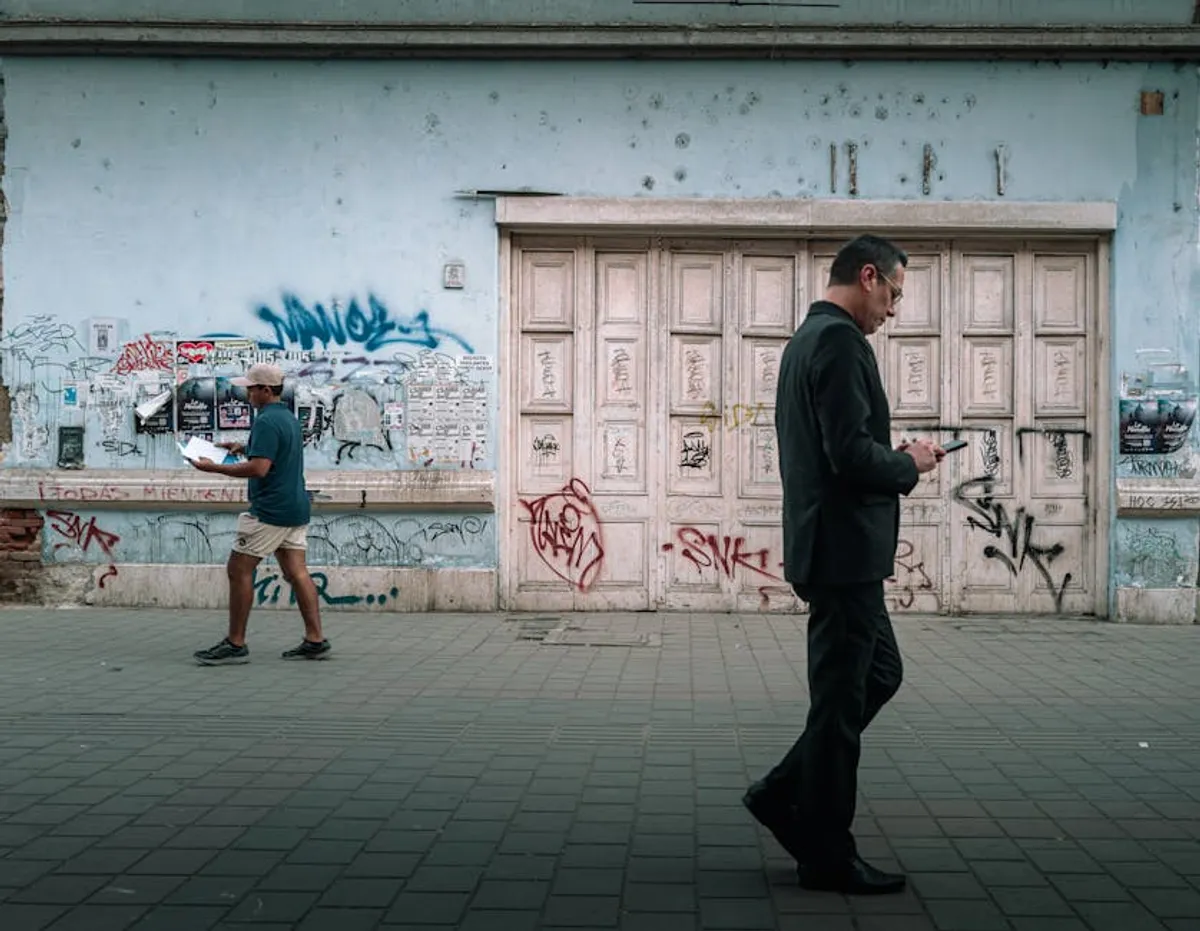
This art walk focuses on celebrating and curating existing street art, including murals, graffiti, stencils, and paste-ups, often in areas where it has naturally flourished. Instead of commissioning new works, the emphasis is on documenting, preserving, and providing context for the vibrant, often ephemeral, art form that already exists. Guided tours can highlight specific artists, explain different styles, and discuss the cultural and social messages embedded in the works. This approach legitimizes street art as a valuable cultural asset and draws attention to the organic artistic expressions within a city.
Best for: Cities with a rich, pre-existing street art culture, aiming to acknowledge, preserve, and promote this often-overlooked artistic heritage, while attracting a younger, more urban-centric demographic.
Pros:
* Leverages existing public art, requiring minimal upfront investment in new commissions.
* Authentically showcases the city's organic artistic expressions and underground culture.
* Attracts a niche audience interested in contemporary urban art and subcultures.
* Can be a dynamic and ever-changing experience, reflecting the evolving nature of street art.
Cons:
* Challenges in managing the legality and preservation of unsanctioned works.
* The ephemeral nature of street art means some pieces may disappear or be altered, requiring constant updates to tour routes.
* Potential for controversy or negative perceptions if not carefully curated and contextualized.
* Maintenance can be difficult, as many pieces are not designed for longevity or protection.
Verdict: A street art and graffiti showcase offers an authentic, low-cost way to highlight a city's raw artistic pulse, but it requires careful navigation of legalities, preservation challenges, and public perception to be truly effective.
9. Seasonal/Temporary Art Exhibitions
Seasonal or temporary art exhibitions involve installing a rotating collection of artworks in public spaces, parks, or along designated routes for a limited duration, typically a few weeks to several months. These exhibitions can be curated around specific themes, feature different artists each time, or coincide with annual festivals. The temporary nature creates a sense of novelty and urgency, encouraging repeat visits to see new installations. This model allows cities to experiment with diverse artistic styles and concepts without long-term commitments, keeping the art walk fresh and engaging.
Best for: Cities that want to maintain a dynamic and ever-changing cultural landscape, test new artistic concepts, and provide fresh reasons for repeat visitation throughout the year.
Pros:
* Keeps the art walk experience fresh and exciting, encouraging repeat visits and generating new interest with each rotation.
* Allows for experimentation with diverse artists, themes, and mediums without long-term financial or aesthetic commitments.
* Provides opportunities to align art displays with seasonal events, holidays, or city-wide festivals.
* Can generate consistent media attention as new exhibitions are announced and installed.
Cons:
* Requires continuous curatorial effort, logistical planning, and marketing for each new exhibition.
* Costs associated with transport, installation, de-installation, and insurance for temporary artworks can be significant.
* Lack of permanent installations means less long-term landmark creation or enduring visual identity for the city.
* Vulnerability of temporary installations to weather, vandalism, and logistical challenges during their short display period.
Verdict: Seasonal art exhibitions offer unparalleled flexibility and novelty, making them effective for sustained visitor engagement, though they demand continuous operational investment and robust logistical management for each new cycle.
10. Digital Art Projections on Buildings
This idea involves projecting large-scale digital artworks, animations, or video art onto the facades of prominent buildings, bridges, or other urban structures. These projections can be static images, dynamic animations, or interactive displays that respond to sound or movement. Often used for special events or festivals, digital projections transform architectural surfaces into temporary, monumental canvases, creating spectacular visual effects that are highly visible and engaging, especially at night. This technique offers artists a vast canvas and cities a way to create awe-inspiring public art with minimal physical alteration to structures.
Best for: Cities looking to create high-impact, technologically advanced visual spectacles, particularly for evening events, festivals, or to highlight architectural landmarks with temporary artistic flair.
Pros:
* Creates highly visible and spectacular visual effects that can attract large crowds and generate significant buzz.
* Utilizes existing architectural structures as canvases, requiring no physical installation of art on the buildings themselves.
* Offers immense flexibility in content, allowing for rapid changes, diverse artistic styles, and interactive elements.
* Environmentally friendly in terms of physical footprint, as no materials are permanently installed.
Cons:
* High technical costs for powerful projectors, media servers, content creation, and technical operators.
* Dependent on darkness, limiting display times and visibility during daylight hours.
* Requires careful planning to avoid light pollution, secure necessary permits, and manage public safety.
* The temporary nature means the impact is concentrated over short periods, necessitating repeated investment for sustained engagement.
Verdict: Digital art projections are an impactful way to create stunning, temporary urban spectacles, ideal for generating event-specific excitement, but they demand substantial technical investment and precise logistical execution.
11. Public Art Scavenger Hunts
Public art scavenger hunts transform an art walk into an interactive game or challenge, typically using a map, app, or clue sheet. Participants follow a series of clues to locate specific artworks, learn facts about them, or complete a task (like taking a photo with a piece). This gamified approach encourages deeper engagement with the art and the urban environment, appealing particularly to families, younger audiences, and those seeking an active, exploratory experience. The "hunt" aspect adds an element of discovery and reward, making the art walk more memorable and shareable.
Best for: Cities aiming to increase engagement with existing public art, attract families and younger demographics, and provide an active, entertaining way to explore urban areas.
Pros:
* Increases active engagement with public art beyond passive viewing, promoting deeper learning and interaction.
* Appeals strongly to families and younger audiences, broadening the demographic reach of art walks.
* Can be implemented with relatively low cost, leveraging existing public art and simple digital or print materials.
* Generates shareable content as participants complete challenges and post their findings on social media.
Cons:
* Requires clear instructions and well-designed clues to ensure a positive user experience.
* Dependent on the reliability and accessibility of the public art pieces (e.g., not obscured, damaged).
* May require periodic updates to clues or routes if artworks are moved, damaged, or new ones are added.
* The "game" aspect might overshadow the artistic appreciation for some participants if not balanced.
Verdict: Public art scavenger hunts are an engaging, cost-effective method to invigorate existing art walks, particularly effective for driving interactive exploration and attracting