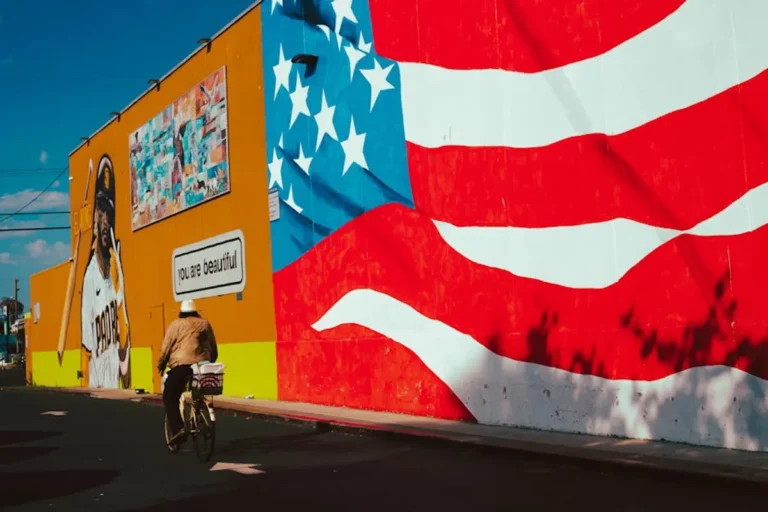
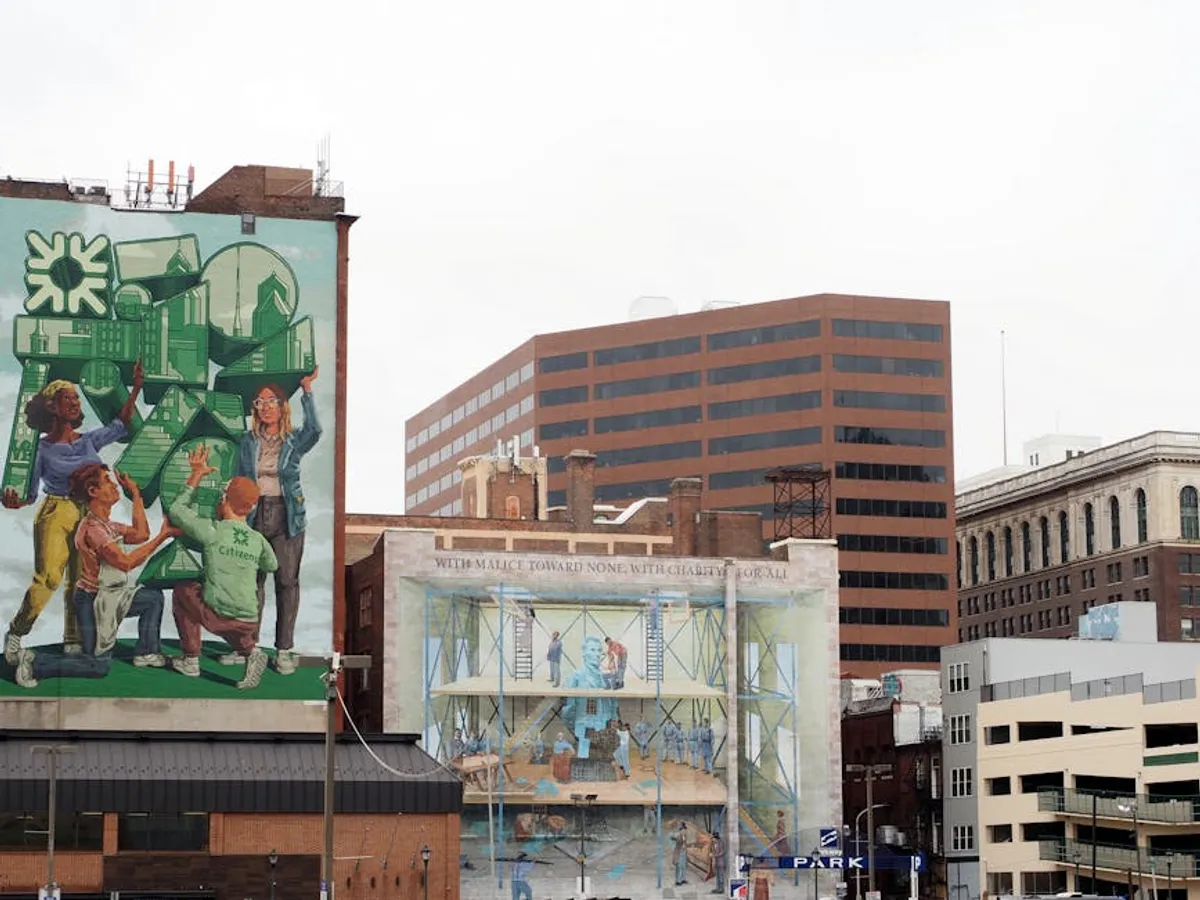
Murals represent more than just public art; they are strategic interventions capable of reshaping the economic, social, and digital landscape of local neighborhoods. For businesses, marketers, and community developers, understanding this transformative power is crucial. A well-conceived mural project can activate dormant spaces, attract new audiences, and embed a distinct identity that resonates both locally and online. The impact extends beyond aesthetics, influencing property values, local commerce, and the overall perception of an area. This analysis explores the specific mechanisms through which murals drive tangible change, offering actionable insights for those looking to leverage public art for measurable community benefit. Understanding the nuances of different street art styles can help appreciate the specific impact of murals.
Catalyzing Economic Revitalization
The visual appeal of murals directly translates into economic opportunities for local areas. By creating distinctive landmarks and points of interest, these artworks can alter consumer behavior and investment patterns.
Driving Local Foot Traffic and Tourism
Murals act as significant draws, encouraging visitors to explore areas they might otherwise overlook. A large-scale, visually striking mural becomes a destination in itself, prompting people to travel to a specific street or district. This increased foot traffic directly benefits nearby businesses—cafes, boutiques, galleries, and restaurants—through higher visibility and potential sales. Tourists often seek out unique cultural experiences, and a collection of murals can brand a neighborhood as an arts district, attracting a demographic willing to spend on local goods and services. The Instagrammability of murals further amplifies this effect, turning visitors into unpaid promoters who share their experiences with a wider audience, driving further interest and visitation. For those looking to share these visual experiences, learning about capturing vibrant murals can enhance their online presence.
Enhancing Property Values and Investment
Neighborhoods distinguished by public art, particularly murals, often experience an uplift in property values. The presence of well-maintained, engaging art signals a community that is invested in its appearance and cultural vitality. This perception of improvement can attract new residents and businesses, leading to increased demand for real estate. Developers may view such areas as more desirable for new projects, contributing to urban renewal and sustained economic growth. The aesthetic upgrade provided by murals transforms previously neglected walls or public spaces into assets, fostering a sense of pride and care that encourages further private and public investment in the area's infrastructure and amenities.
Shaping Community Identity and Engagement
Beyond economic metrics, murals play a profound role in the social fabric of a neighborhood, fostering cohesion and altering public perceptions.
Fostering Local Pride and Belonging
When murals reflect the history, culture, or aspirations of a community, they become powerful symbols of collective identity. Residents develop a stronger sense of ownership and pride in their surroundings, seeing their stories and values represented publicly. This shared visual language can bridge divides, encouraging dialogue and a sense of belonging among diverse populations. Community-led mural projects, where local artists and residents collaborate on design and execution, further deepen this connection, transforming passive onlookers into active participants in their neighborhood's cultural narrative. This collective engagement strengthens social ties and builds a more resilient community.
Reducing Vandalism and Improving Perceptions
Counterintuitively, large-scale, professionally executed murals often deter casual graffiti and vandalism. The principle known as "broken windows theory" suggests that visible signs of neglect encourage further disorder. Conversely, a well-maintained, respected piece of public art can create an environment where other forms of defacement are less likely to occur. Murals transform neglected, drab walls into cared-for canvases, signaling that the area is valued. This shift in perception can make residents feel safer and more secure, improving overall neighborhood morale and encouraging greater use of public spaces. For businesses, this translates to a more inviting and secure environment for customers and employees.
Pro Tip: When planning a mural project, engage local community groups and businesses early in the design process. This ensures the artwork resonates authentically with the neighborhood's identity and fosters a sense of collective ownership. A mural that truly reflects local narratives will generate more sustained positive impact and digital engagement than a generic, externally imposed design.
Murals as Digital Assets
In the digital age, the physical presence of murals extends into the online realm, becoming valuable assets for digital visibility and local search optimization.
Generating Social Media Visibility
Visually compelling murals are inherently shareable content. Individuals, tourists, and local influencers frequently photograph themselves with murals and post them on platforms like Instagram, TikTok, and Facebook. Each post acts as an organic endorsement, tagging locations and often mentioning nearby businesses or community initiatives. This user-generated content provides free, authentic marketing, reaching audiences that traditional advertising might miss. For businesses, being located near or directly featuring a mural can significantly increase their social media mentions and location tags, boosting brand awareness and driving online interest that converts to offline visits.
Supporting Local SEO and Online Presence
Murals contribute indirectly but powerfully to local search engine optimization (SEO). When a neighborhood gains recognition for its public art, it becomes a more prominent entity in online searches. Local businesses located near or associated with popular murals can leverage this. Users searching for "things to do in [city]" or "art walks [neighborhood]" will discover these areas. Businesses can optimize their Google My Business profiles, website content, and social media with keywords related to local art, murals, and the specific artists or themes. The increased online mentions, photo shares, and positive reviews (often influenced by the attractive surroundings) signal to search engines that the area is relevant and active, enhancing its overall digital footprint and search ranking for local queries.
Strategic Considerations for Mural Projects
Executing a mural project with maximum impact requires careful planning and a clear understanding of objectives. Consider these strategic elements:
- Artist Selection: Choose artists whose style aligns with the community's aesthetic and whose portfolio demonstrates successful public art installations. Local artists often have a deeper understanding of the neighborhood's context.
- Community Engagement: Facilitate workshops or public forums for residents to provide input on themes, colors, and concepts. This builds buy-in and ensures the mural reflects local sentiment.
- Location Analysis: Select highly visible walls in areas with existing or potential foot traffic. Consider proximity to local businesses, public transport, and community gathering spots.
- Permitting and Regulations: Navigate local zoning laws, historical preservation guidelines, and property owner agreements early in the process to avoid delays.
- Funding and Sponsorship: Secure funding through grants, corporate sponsorships, or crowdfunding. Highlight the commercial and community benefits to potential partners.
- Maintenance Plan: Establish a long-term plan for cleaning, repair, and protection against graffiti to ensure the mural remains a positive asset.
Maximizing Mural Impact
To fully capitalize on the transformative potential of murals, integrate them into broader marketing and community development strategies. Promote new installations through local media, social media campaigns, and partnerships with tourism boards. Create walking tours or digital maps highlighting key artworks to encourage exploration. Encourage local businesses to feature murals in their own marketing, perhaps offering discounts to visitors who post photos with specific artworks. By treating murals not just as art, but as fundamental components of a neighborhood's brand and economic engine, their capacity for positive change can be fully realized.
Frequently Asked Questions
How do murals specifically benefit local businesses?
Murals increase foot traffic to an area, attract tourists, and generate social media visibility, leading to more potential customers for nearby shops, restaurants, and services.
Can murals help reduce crime rates in a neighborhood?
While not a direct crime deterrent, well-maintained murals contribute to a sense of community pride and care, which can indirectly lead to a reduction in petty vandalism and an overall improved perception of safety.
What is the typical cost range for a community mural?
The cost of a mural varies widely based on artist fees, wall size, complexity of design, materials, and preparation, ranging from a few thousand dollars for small projects to tens of thousands for large-scale, intricate works.
How can a community ensure a mural reflects local identity?
Involving local artists, residents, and community organizations in the design and planning phases is crucial. Workshops, surveys, and public meetings can gather input and ensure the artwork resonates authentically with the neighborhood's history and values.