Urban art, once relegated to the fringes of public perception, has fundamentally shifted its role within city culture. For marketers, urban planners, and developers, understanding these evolving trends is critical, not merely for aesthetic appreciation, but for strategic engagement and economic development. This isn't about decorating walls; it's about leveraging a dynamic cultural force that influences everything from tourism and property values to brand identity and community cohesion. The commercial implications are substantial, offering avenues for authentic placemaking, audience connection, and the creation of vibrant urban ecosystems. Understanding the vocabulary behind these movements, such as key urban art terms, can further unlock their cultural significance.
The Evolving Canvas: From Vandalism to Valuation
The historical trajectory of urban art, particularly street art, reveals a profound recontextualization. What began as an illicit act of expression has matured into a recognized, often commissioned, art form. This shift is not just aesthetic; it reflects a broader societal acceptance and, crucially, a commercial valuation. Cities and private entities now actively seek out artists to transform public spaces, recognizing the power of art to differentiate locations, attract foot traffic, and foster a sense of identity. This evolution impacts urban planning by integrating art into infrastructure projects and informs marketing strategies that seek to align with contemporary cultural movements.
Street Art as a Cultural Anchor
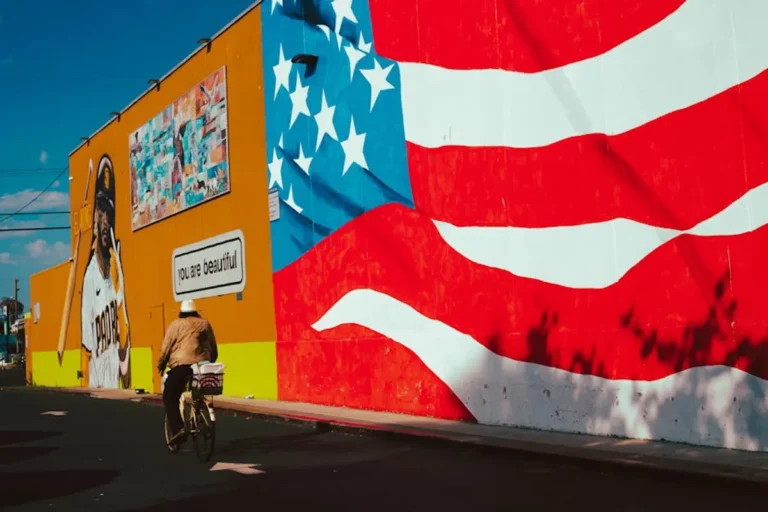
Major murals and distinctive installations often become synonymous with a neighborhood or even an entire city. These pieces function as cultural anchors, drawing visitors and establishing unique identities that transcend typical urban landscapes. For example, districts known for their vibrant street art scenes often experience increased tourism, local business patronage, and residential desirability. This organic placemaking is difficult to replicate through traditional advertising, offering a powerful, authentic narrative for urban areas. The visual impact translates directly into shareable content, extending the art's reach far beyond its physical location through social media and digital platforms.
Digital Integration: Augmented Reality and Projection Mapping
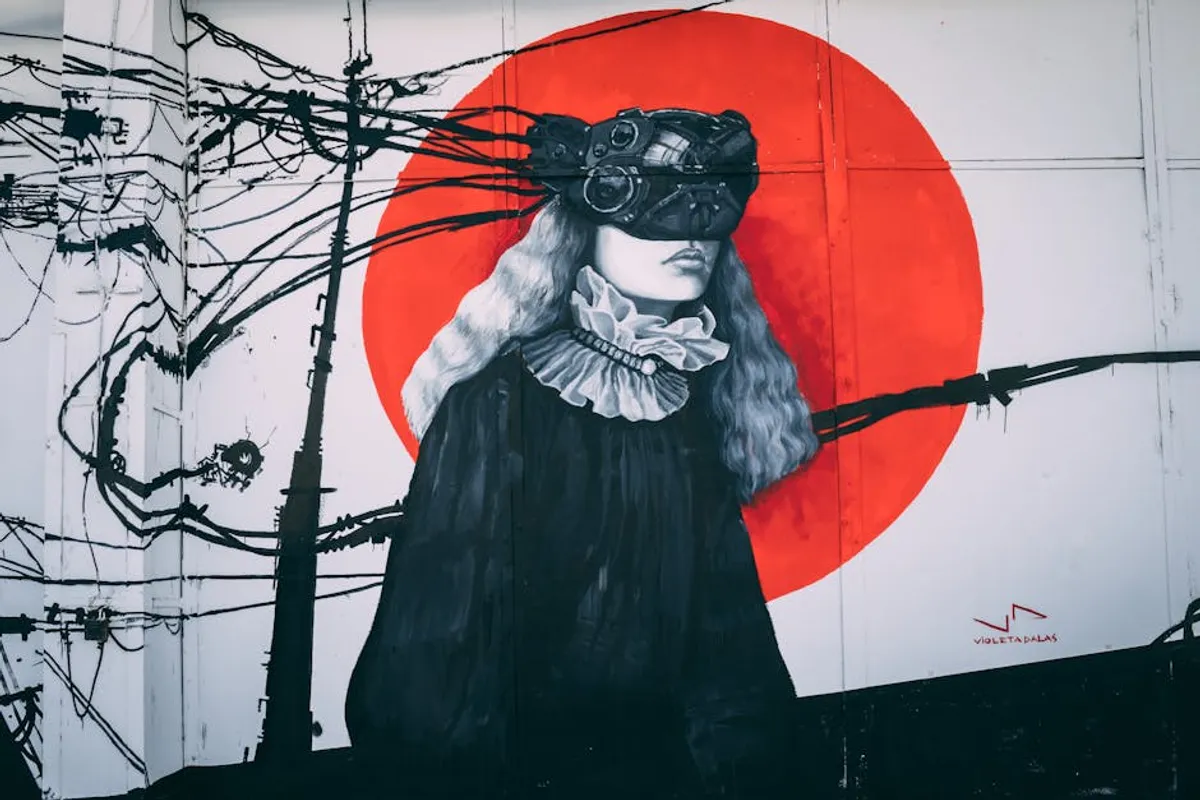
Contemporary urban art is increasingly embracing digital technologies, moving beyond static murals to incorporate interactive and ephemeral experiences. Augmented Reality (AR) allows artists to overlay digital content onto physical structures, transforming buildings into dynamic canvases viewable through smartphone apps. Projection mapping, similarly, uses light and imagery to animate architectural facades, creating temporary, immersive spectacles that draw large crowds and generate significant media attention. These digital integrations expand the artistic possibilities and offer novel ways for audiences to engage with urban spaces, providing fresh opportunities for experiential marketing.
Interactive Public Spaces
The integration of digital art transforms passive viewing into active participation. AR filters applied to street art allow users to interact with characters or animations, sharing personalized content. Projection mapping events often include interactive elements, such as motion-sensitive displays or user-controlled visuals, turning public squares into temporary, collaborative art installations. These interactive elements drive deeper engagement, create memorable experiences, and generate user-generated content, which is invaluable for organic reach and community building. For urban developers, these technologies offer a way to revitalize underutilized spaces or create temporary attractions that test public interest for future permanent installations.
The Commercial Imperative: Brand Partnerships and Placemaking
Brands and developers are increasingly recognizing urban art as a powerful tool for commercial objectives. Partnerships with artists or art collectives allow brands to align with cultural authenticity and innovation, reaching demographics that are often resistant to traditional advertising. This can manifest in sponsored murals, art installations integrated into retail spaces, or limited-edition product collaborations featuring urban artists. For placemaking, urban art contributes directly to the perceived value and desirability of a location, whether it's a new residential complex, a revitalized business district, or a public park. The presence of compelling public art signals investment, creativity, and a commitment to community well-being, which translates into higher property values and increased commercial activity.
Measuring Impact: Engagement and Economic Uplift
Quantifying the impact of urban art involves more than just aesthetic judgment. Marketers track social media engagement metrics, such as shares, likes, and mentions, often geo-tagged to specific art locations. Urban planners monitor foot traffic data, local business revenue increases, and property value appreciation in areas with significant art investments.
- Social Media Reach: Art that is visually striking and shareable drives organic promotion, extending a city or brand's message.
- Foot Traffic & Dwell Time: Installations can increase visitor numbers and encourage longer stays in specific areas, benefiting local businesses.
- Property Value: Areas revitalized with public art often see an uplift in property values and rental income.
- Brand Affinity: Sponsoring or integrating urban art can enhance a brand's image, fostering positive associations and perceived authenticity.
- Community Cohesion: Art projects can act as catalysts for community events and local pride, strengthening social ties.
These measurable outcomes provide a clear return on investment for entities engaging with urban art trends.
Ephemeral Art and Sustainable Practices
Beyond permanent installations, ephemeral urban art—temporary pieces designed to exist for a limited time—is gaining traction. This includes chalk art, yarn bombing, temporary installations, and light projections. These transient works create urgency and exclusivity, driving immediate engagement and often serving as focal points for events or festivals. Concurrently, there's a growing emphasis on sustainable practices within urban art, utilizing recycled materials, eco-friendly paints, and energy-efficient digital displays. This commitment to sustainability aligns with broader environmental concerns and enhances the public perception of both the art and its sponsors.
Pro Tip: When integrating urban art into commercial or urban development projects, prioritize authentic collaboration with local artists and community stakeholders. Inauthentic or top-down interventions risk being perceived as 'artwashing,' which can damage brand credibility and undermine long-term community engagement. Genuine partnership ensures relevance and fosters shared ownership.
Strategic Integration: Capitalizing on Urban Art's Influence
For any entity looking to leverage urban art, strategic integration is paramount. This involves moving beyond simply commissioning a piece to understanding how the art interacts with its environment, its audience, and broader cultural narratives. Consider the long-term impact on neighborhood identity, the potential for digital extension, and the alignment with brand values. Successful projects often involve cross-sector collaboration, bringing together artists, city officials, developers, and local businesses to create cohesive, impactful experiences. The aim is to create not just art, but cultural infrastructure that generates both social and economic capital.
Frequently Asked Questions About Urban Art Trends
How does urban art affect property values?
Urban art can significantly increase property values by enhancing an area's aesthetic appeal, attracting tourism, and fostering a vibrant cultural identity. Neighborhoods with notable public art often become more desirable for residents and businesses, leading to higher demand and appreciation.
What is the role of digital technology in contemporary urban art?
Digital technology, including augmented reality (AR) and projection mapping, allows urban art to become interactive, dynamic, and ephemeral. This creates immersive experiences, extends the art's reach through digital platforms, and offers new avenues for audience engagement and experiential marketing.
Can urban art be effectively used for brand marketing?
Yes, urban art is a potent tool for brand marketing. By sponsoring murals, integrating art into retail spaces, or collaborating with artists, brands can align with cultural authenticity, reach diverse demographics, and generate organic social media engagement, fostering positive brand associations.
What are the ethical considerations for commissioning urban art?
Ethical considerations include ensuring fair compensation for artists, respecting community input, avoiding 'artwashing' (using art to mask negative social or environmental impacts), and prioritizing authenticity in collaborations. Genuine engagement with local culture and artists is crucial for long-term success and credibility.