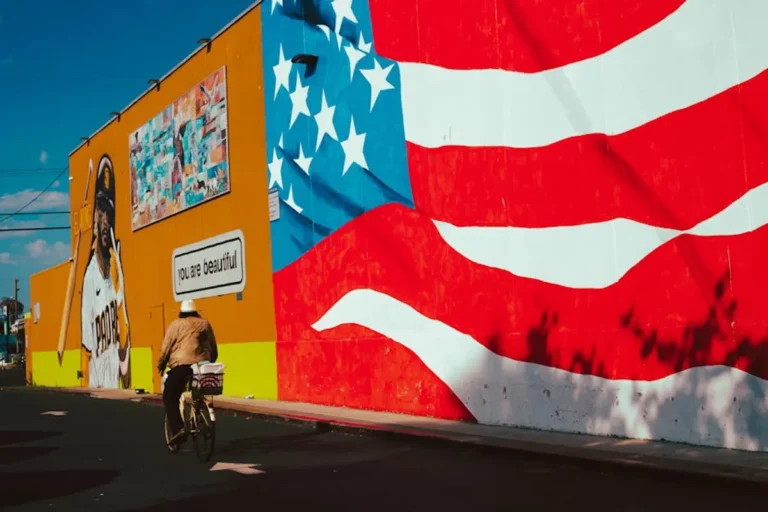

Developing a city culture guide focused on art and design presents a distinct opportunity to capture a high-intent audience, ranging from local enthusiasts to cultural tourists. This specific content vertical provides value by curating experiences and information that generic travel portals often overlook, establishing your platform as an authoritative resource. The commercial viability stems from attracting engaged users who are actively seeking experiences, products, or services within a defined geographic area and cultural niche. A well-executed guide can drive targeted traffic, facilitate local commerce, and build a community around a city's creative identity, ultimately leading to diverse monetization pathways.
Defining Your Guide's Unique Angle and Audience
Before content creation begins, establish a clear strategic foundation. A city art and design guide thrives on specificity, distinguishing itself from broad tourism platforms. This involves pinpointing a unique angle that resonates with both the city's character and your target demographic.
Identifying Core Themes and Niche Focus
Consider what makes your chosen city's art and design scene unique. Is it known for a specific artistic movement, a thriving street art community, a concentration of design studios, or a rich history of public art installations? Selecting a core theme narrows your scope, making the guide more manageable to produce and more compelling for a specific audience. For instance, a guide focused solely on "Brutalist Architecture in [City Name]" will attract a different, more dedicated reader than a general "Art Galleries in [City Name]" compilation. This thematic precision enhances both editorial depth and search engine discoverability for long-tail queries. For instance, focusing on a thriving street art community could attract a dedicated audience interested in urban expression.
Understanding Your Target Reader
Your content strategy must align with the needs and behaviors of your intended audience. Are you targeting affluent art collectors, budget-conscious students, families seeking interactive experiences, or design professionals looking for inspiration? Each segment requires different content types, language, and calls to action. For example, a guide for art collectors might prioritize exclusive gallery previews and auction house listings, while a guide for tourists could focus on accessible public art walks and museum highlights. Understanding their intent—informational, transactional, or navigational—dictates the emphasis on directions, booking links, or historical context.
Comprehensive Content Planning and Research
The credibility and utility of your guide depend on meticulous research and a structured approach to content development. Go beyond surface-level listings to provide genuine insight.
Mapping Key Art and Design Venues
Start with a comprehensive inventory of all relevant locations: museums, private galleries, artist studios, design showrooms, public art installations, architectural landmarks, and cultural centers. For each entry, gather essential data: address, operating hours, admission fees, accessibility information, and contact details. Crucially, collect unique descriptive details that set each venue apart—its history, signature collections, notable artists, or architectural significance. This depth of information prevents the guide from feeling like a mere directory.
Integrating Local Narratives and Emerging Trends
A truly engaging culture guide weaves in local narratives. Interview local artists, curators, gallerists, and designers to capture authentic voices and perspectives. Highlight emerging artists, independent spaces, and grassroots initiatives that contribute to the city's dynamic creative pulse. Incorporate historical context where relevant, explaining how a city's past has shaped its current art and design landscape. This qualitative content adds significant value, transforming a list into a rich, informative narrative.
Content Formats Beyond Listings
Varying content formats keeps readers engaged and caters to different consumption preferences. Think beyond simple text descriptions:
- Curated Walking Tours: Develop themed routes (e.g., "Street Art of the East Side," "Mid-Century Modern Architecture Tour") complete with maps, points of interest, and estimated durations.
- Artist Spotlights: Feature in-depth profiles of local artists or designers, including interviews, studio visits, and portfolios.
- Event Calendars: Maintain an updated schedule of exhibitions, art fairs, workshops, and design festivals.
- Behind-the-Scenes Articles: Explore the processes of art creation, conservation, or exhibition design.
- Neighborhood Guides: Detail art and design concentrations within specific districts, including recommendations for nearby cafes or shops that complement the cultural experience.
Structuring for Discoverability and User Experience
A well-researched guide is only effective if users can find and navigate it easily. Prioritize intuitive structure and search engine optimization.
Implementing Clear Navigation and Categorization
Organize your guide logically. Use clear categories such as "Galleries," "Museums," "Public Art," "Design Studios," "Events," and "Neighborhoods." Implement subcategories where necessary (e.g., "Contemporary Art Galleries," "Historical Museums"). A robust internal linking structure helps users explore related content and signals content depth to search engines. Consider an interactive map feature allowing users to filter by category or location, which significantly enhances usability for visitors on the go.
Optimizing for Local Search Intent
Local SEO is paramount for a city guide. Optimize individual venue pages and articles for location-specific keywords (e.g., "art galleries near [landmark]," "design shops in [neighborhood]"). Implement schema markup for local businesses, events, and places to provide structured data that helps search engines understand your content's context. Ensure all contact information, addresses, and opening hours are accurate and consistently formatted. Mobile responsiveness is non-negotiable, as many users will access this content while navigating the city.
Pro Tip: For local guides, prioritize loading speed and mobile optimization. Users often access these resources while on the move, relying on cellular data. Slow load times or a clunky mobile interface will lead to high bounce rates, negating your content's value regardless of its quality.
Monetization Strategies for Culture Guides
A high-quality city culture guide can generate revenue through various channels, provided they align with the user experience and maintain editorial integrity.
Direct Advertising and Sponsorships
Offer premium listing placements to galleries, museums, or design studios that wish for increased visibility. Develop sponsored content opportunities, such as dedicated features or interviews, ensuring transparency by clearly labeling them. Partner with local businesses (e.g., boutique hotels, restaurants, specialty shops) that cater to your audience, offering banner ads or sponsored sections. The key is to integrate these naturally so they enhance, rather than detract from, the user's journey.
Affiliate Partnerships and Ticket Sales
Leverage affiliate marketing by partnering with online ticket vendors for museums, exhibitions, or tours. When users purchase tickets through your links, you earn a commission. Similarly, consider affiliate relationships with local art dealers, design stores, or even book retailers selling art and design books relevant to your city. This provides a direct revenue stream while offering convenient purchasing options for your readers.
Practical Steps for Launch and Growth
Launching your city culture guide is the first step; sustained growth requires ongoing effort and adaptation.
Begin with a focused launch, perhaps concentrating on one specific neighborhood or art form, then expand incrementally. Solicit feedback from early users to refine content and functionality. Actively promote your guide through local tourism boards, cultural institutions, and social media channels relevant to art and design. Regularly update content, adding new venues, events, and features to maintain relevance and authority. Monitor search performance and user engagement metrics to identify popular topics and areas for improvement, continuously iterating to serve your audience better.
Frequently Asked Questions
What is the most effective way to keep a city guide's information current?
Implement a regular content audit schedule, ideally quarterly, to verify operating hours, admission fees, and exhibition schedules for all listed venues. Establish direct communication channels with key institutions to receive updates proactively, and leverage user-generated feedback for immediate corrections.
How can a new city culture guide compete with established travel sites?
Focus on hyper-niche content and unparalleled depth. While larger sites offer breadth, your guide can excel in specific areas like "Emerging Graffiti Art in [City]" or "Historic Art Deco Architecture Tours." This specialization attracts a dedicated audience that general sites cannot fully serve.
Should I include user reviews or ratings in the guide?
User reviews can add social proof and diverse perspectives. If implemented, ensure a robust moderation system to maintain quality and prevent spam. Alternatively, curate expert opinions or editorial reviews to maintain a consistent tone and authority.
What are the legal considerations for using images of public art or private collections?
Always verify copyright and usage rights for images. For public art, generally, photography for editorial purposes is permissible, but commercial use may require permission. For private collections or museum exhibits, always seek explicit permission from the institution or rights holder before publication.