
Street art, often perceived as transient or rebellious, functions as a powerful, dynamic mechanism for cultural preservation. Unlike static museum exhibits or traditional archives, street art integrates directly into the fabric of urban environments, reflecting and documenting the living culture of a community in real-time. For agencies, urban developers, cultural institutions, and content strategists, understanding this role is crucial for leveraging public art initiatives effectively, informing local engagement strategies, and developing content that resonates with authentic community narratives. It moves beyond mere aesthetics, serving as a visual chronicle that captures local histories, social shifts, and collective identities, often reaching audiences traditional preservation methods might miss.
Documenting Local Narratives and Histories
One of street art's primary contributions to cultural preservation is its capacity to act as a visual archive of local narratives and histories. Murals, stencils, and installations frequently depict historical events, celebrate local heroes, or commemorate community struggles that might be underrepresented in official records or public monuments. These works provide an accessible, public-facing historical account, allowing residents and visitors alike to engage with a community's past directly on its streets. For example, a mural depicting a significant labor strike or a community leader's activism serves as a continuous educational tool, embedding history within daily routines.
Capturing Ephemeral Moments
Street art excels at freezing specific times, social climates, and political sentiments. Unlike permanent structures, many forms of street art are inherently ephemeral, yet their creation itself marks a moment. A piece might comment on a current political election, a social justice movement, or a local environmental issue. When documented, these works provide a snapshot of public opinion and cultural discourse at a precise point in time. This transient nature means that the act of creating and subsequently documenting street art becomes part of its preservation, capturing the zeitgeist of a neighborhood or city.
Reflecting and Sustaining Community Identity
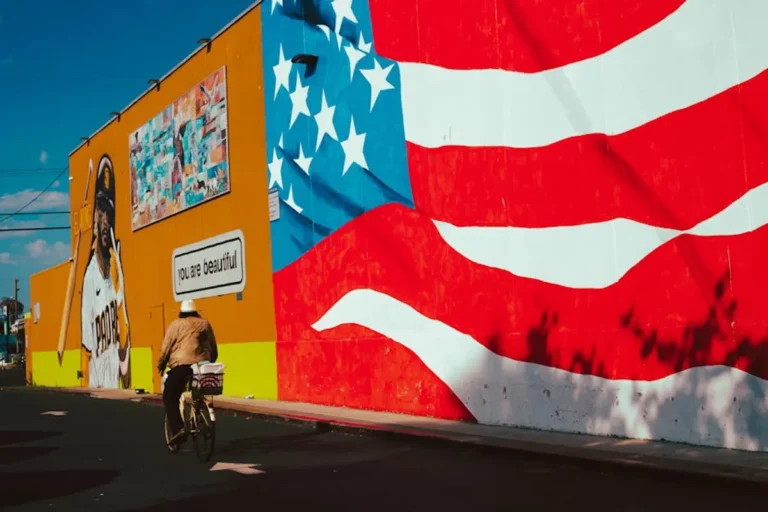
Street art serves as a vibrant mirror for a community's values, traditions, and aspirations. By incorporating local symbols, traditional motifs, or portraits of everyday people, artists help to solidify and express a collective identity. This visual reinforcement contributes to a stronger sense of belonging among residents and fosters collective memory. In areas experiencing rapid change or gentrification, street art often plays a vital role in asserting local character and resisting the homogenization of urban spaces, ensuring that the unique cultural fingerprint of a neighborhood remains visible and celebrated.
Revitalizing Public Spaces with Cultural Significance
Beyond aesthetic appeal, street art actively transforms neglected or underutilized public spaces into areas imbued with cultural significance. A drab underpass can become a gallery showcasing local talent and history, or a forgotten wall can tell the story of a community's heritage. This revitalization not only improves the visual environment but also creates new cultural landmarks that draw people in, fostering community interaction and engagement around shared cultural touchstones.
Preserving Indigenous and Marginalized Voices
For indigenous communities and marginalized groups, street art often provides a critical platform for visibility and self-expression. These groups, whose stories are frequently overlooked or misrepresented in mainstream media and cultural institutions, can use public art to highlight traditional motifs, languages, social issues, and historical injustices. Street art amplifies their messages, bringing their narratives directly into public consciousness and challenging dominant cultural perspectives. It empowers these voices, ensuring their unique cultural contributions and struggles are not forgotten.
Challenging Dominant Narratives and Promoting Dialogue
Street art frequently engages with controversial topics, sparking conversations and prompting a re-evaluation of historical perspectives. By presenting alternative viewpoints or critiques of societal norms, artists encourage public dialogue and critical thinking. This dynamic engagement is a form of cultural preservation itself, as it keeps cultural discourse alive, evolving, and responsive to contemporary issues, preventing cultural narratives from becoming stagnant or one-sided.
Evolving Forms of Cultural Documentation
The landscape of street art is diverse, extending beyond traditional murals to include stencils, paste-ups, stickers, yarn bombing, and even digital projections. Each form offers a different medium for cultural documentation, contributing to a rich and dynamic cultural record. The transient nature of many of these forms underscores the importance of digital archiving. High-resolution photography, videography, and geo-tagging are essential tools for documenting these works before they are altered, removed, or fade away. This digital preservation ensures that even the most fleeting artistic expressions contribute to a lasting cultural legacy.
Pro Tip: To ensure the longevity of ephemeral street art as a cultural record, establish a digital archiving protocol. High-resolution photography, geo-tagging, and descriptive metadata are crucial for documenting transient works before they are altered or removed. This creates a permanent, searchable record for historical and cultural analysis.
Strategic Considerations for Cultural Preservation Through Street Art
For urban planners, community organizers, and cultural institutions, integrating street art into cultural preservation strategies requires careful planning and collaboration. It involves understanding local contexts, engaging with artists and community members, and establishing supportive frameworks. This includes securing funding, navigating legal considerations regarding public art, and developing maintenance plans for permanent installations.
- Community Engagement: Involve local residents in the conceptualization and creation process to ensure authentic representation and foster ownership.
- Artist Support: Provide resources, fair compensation, and creative freedom to artists, recognizing their role as cultural documentarians.
- Legal Frameworks: Work with local authorities to establish clear guidelines for public art, balancing artistic freedom with urban planning objectives.
- Funding Mechanisms: Secure grants, public funding, or private sponsorships to support the creation, maintenance, and digital archiving of street art.
- Documentation & Archiving: Implement systematic processes for documenting new and existing street art, including digital records, interviews with artists, and contextual information.
Leveraging Street Art for Cultural Documentation
Organizations aiming to deepen their connection with local heritage and engage broader audiences can strategically leverage street art. This involves commissioning works that reflect specific historical events or cultural traditions, integrating street art tours into local tourism initiatives, and developing educational programs around significant pieces. By actively supporting and documenting street art, entities can contribute to a living cultural record that is accessible, engaging, and reflective of a community's ongoing evolution.
Frequently Asked Questions
Is all street art considered cultural preservation?
Not all street art explicitly aims for cultural preservation, but its inherent nature of reflecting contemporary society, local narratives, and public sentiment often contributes to it indirectly. Works that depict historical events, community figures, or traditional symbols are more directly involved.
How long does street art last as a form of preservation?
The physical lifespan of street art varies greatly, from a few hours for some graffiti tags to decades for well-maintained murals. However, its longevity as a form of cultural preservation is increasingly ensured through digital documentation, photography, and archiving, which capture its essence even after the physical piece is gone.
Who decides what street art is preserved?
Preservation decisions can be made by various stakeholders, including local governments, cultural heritage organizations, community groups, and even artists themselves through self-documentation. Public interest and historical significance also play a role in identifying works worthy of long-term preservation efforts.
Can street art be commissioned specifically for cultural preservation?
Yes, many cities and organizations commission street art with the explicit goal of preserving or celebrating specific cultural elements, historical events, or community identities. These projects often involve extensive community consultation to ensure authenticity and relevance.