Murals, often perceived solely as artistic expressions, function as strategic assets for urban development and community engagement. For urban planners, local businesses, community organizers, and artists, understanding how these large-scale artworks integrate into and uplift a locale is crucial. They are not merely decorative additions; murals are tools for fostering economic revitalization, strengthening social bonds, and enriching cultural landscapes, directly impacting community perception and viability. Understanding how murals transform local communities offers valuable insights for urban planners and residents alike.
Economic Catalysts and Local Business Drivers
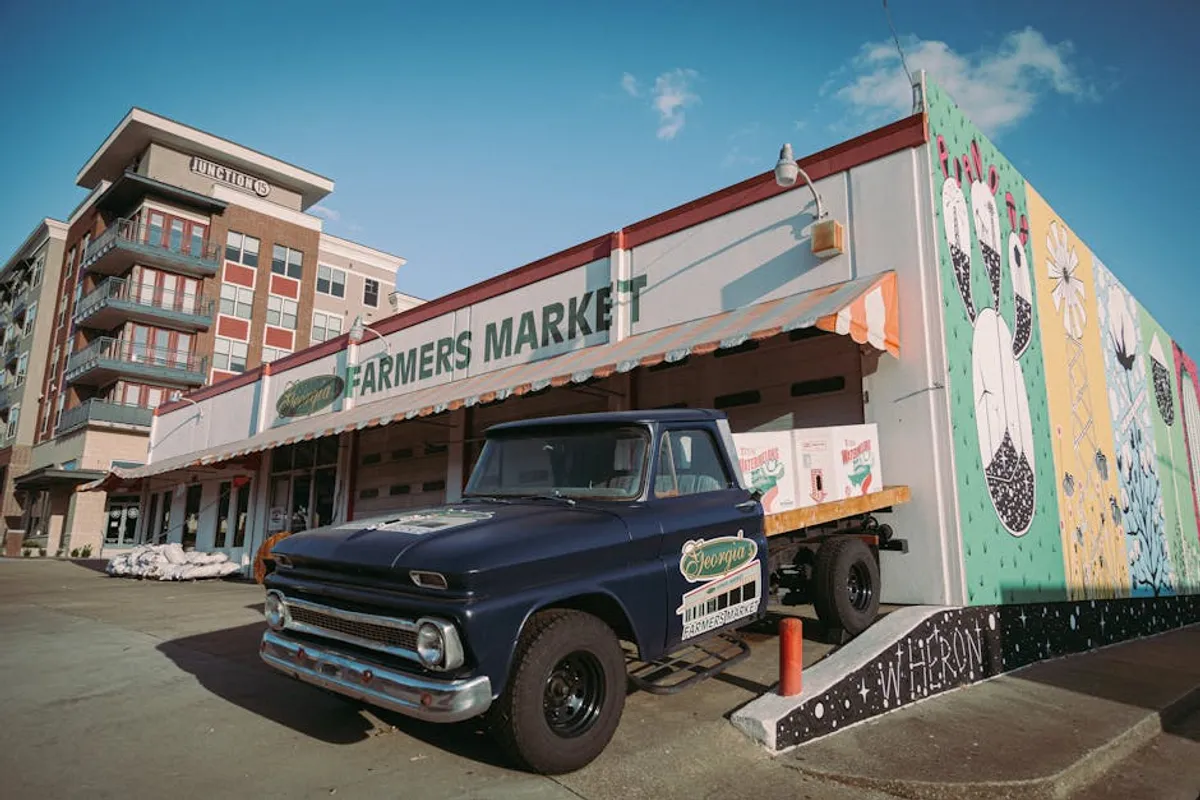
The visual appeal of murals directly translates into tangible economic benefits for local communities. Public art installations, particularly large-scale murals, draw attention and foot traffic. This increased visibility can convert into direct commerce for nearby businesses, including cafes, retail shops, and galleries. Neighborhoods that invest in public art often experience a boost in tourism, attracting visitors specifically to view and photograph these unique installations. This influx of people supports local economies through direct spending on goods and services.
Beyond immediate spending, murals contribute to an area's branding and desirability. A vibrant, art-filled district often signifies a cared-for, dynamic environment, which can attract new residents, businesses, and investors. Property values in areas with significant public art installations can see appreciation, reflecting the enhanced aesthetic and cultural capital of the neighborhood. This cycle of investment and revitalization is often initiated or accelerated by well-executed public art projects.
Fostering Social Cohesion and Community Identity
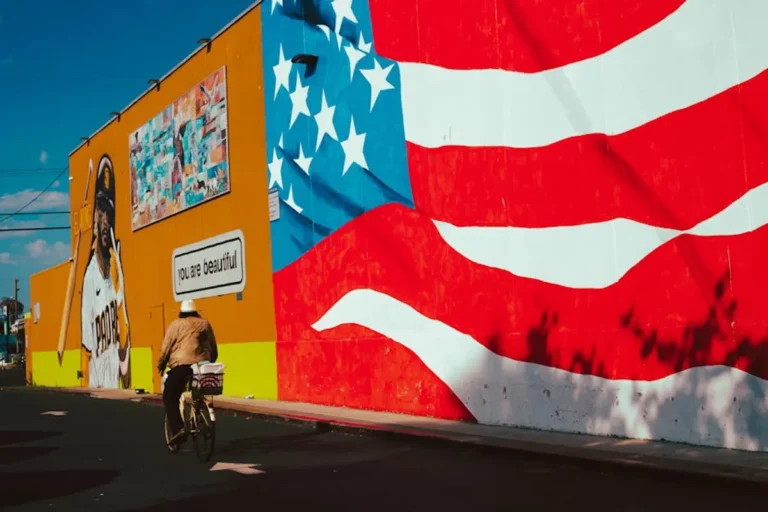
Murals play a critical role in building and reinforcing community identity. When designed with local input and reflecting the history, values, or aspirations of residents, they become powerful symbols of collective pride. This shared ownership and representation can strengthen social bonds, encouraging residents to engage more actively with their public spaces and with one another.
The presence of public art can also contribute to a sense of safety and order. The "broken windows" theory, while debated in its broader applications, suggests that visible signs of neglect, like graffiti or dilapidated buildings, can encourage further disorder. Conversely, a well-maintained, art-adorned space signals that a community values its environment and invests in its upkeep. This can deter vandalism and foster a more respectful use of public areas. Murals often become landmarks, providing a shared reference point that helps define a neighborhood's character and narrative.
Cultural Enrichment and Educational Outreach
Public murals serve as accessible art galleries, democratizing artistic experience by bringing it directly into everyday life. They can tell stories, commemorate historical events, celebrate local heroes, or reflect the diverse cultural tapestry of a community. This narrative function educates residents and visitors alike, offering insights into local heritage and contemporary issues.
Many mural projects involve community workshops and participatory design processes, especially when working with youth. These initiatives provide valuable educational opportunities, teaching artistic techniques, fostering collaboration, and empowering participants to contribute meaningfully to their environment. For artists, murals offer a platform for expression and engagement, often allowing them to connect with broader audiences than traditional gallery settings might permit.
Strategic Urban Revitalization
One of the most impactful transformations murals bring is the revitalization of neglected or underutilized urban spaces. An otherwise unremarkable wall, a drab underpass, or a vacant lot can be transformed into a focal point of beauty and interest. This aesthetic upgrade can shift public perception of an area from one of blight to one of vibrancy and potential. Such transformations are not merely cosmetic; they often precede and encourage further investment in infrastructure, green spaces, and local amenities.
Murals act as visual anchors in urban planning, helping to define districts and create walkable, engaging environments. They can break up monotonous cityscapes, add color and dynamism, and contribute to a more human-scaled urban experience. This strategic use of art can be a cost-effective method for initiating broader urban renewal projects, signaling a commitment to improving public spaces and enhancing quality of life.
Implementing Community Mural Projects
Successful mural projects require careful planning and execution, encompassing funding, community involvement, and long-term maintenance.
Funding Models and Resources
Securing adequate funding is paramount. Diverse models exist:
- Public Grants: Government arts councils, cultural agencies, and urban development funds often provide grants for public art initiatives, recognizing their community benefits.
- Private Sponsorship: Local businesses, corporations, and philanthropic organizations may sponsor murals as part of their corporate social responsibility or marketing efforts.
- Crowdfunding: Community-driven campaigns can engage residents directly, fostering ownership and raising smaller contributions that collectively fund projects.
- Public-Private Partnerships: Collaborations between municipal bodies and private developers or property owners can leverage combined resources for larger-scale projects.
Community Engagement and Artist Selection
Involving the community from conception to completion ensures the mural resonates locally. This includes public meetings, design workshops, and opportunities for residents to contribute ideas or even participate in painting. Selecting an artist or artist team whose style aligns with the project's goals and who has experience with community-based art is critical. Local artists are often preferred for their understanding of the community's context and ability to build rapport.
Maintenance and Longevity
A mural's impact is sustained through its longevity. Planning for maintenance from the outset is essential. This includes using durable, weather-resistant paints, applying anti-graffiti coatings, and establishing a schedule for cleaning and repair. Community groups or local government departments can be designated responsibility for ongoing upkeep, ensuring the artwork remains a source of pride rather than neglect.
Pro Tip: When planning a community mural, prioritize robust community engagement from the initial concept phase. A mural that genuinely reflects local stories, history, or aspirations, shaped by resident input, fosters a stronger sense of ownership and pride. This collective investment significantly increases the mural's long-term impact and reduces the likelihood of vandalism or neglect, ensuring it remains a cherished community asset for years.
Maximizing Mural Impact: A Strategic Approach
Murals are powerful tools for community transformation, but their full potential is realized through strategic planning and thoughtful execution. By considering their economic, social, cultural, and urban revitalization impacts, communities can leverage public art not just for aesthetic enhancement, but as a core component of sustainable development. Integrating murals into broader urban strategies, securing diverse funding, fostering deep community involvement, and planning for long-term care ensures these artworks deliver lasting value, turning walls into vibrant narratives and neglected spaces into community anchors.
Frequently Asked Questions
How do murals contribute to local economic growth?
Murals attract tourists and increase foot traffic for local businesses, leading to higher sales. They also enhance an area's appeal, potentially raising property values and attracting new residents and businesses, contributing to overall economic revitalization.
Can murals help reduce crime or vandalism?
Yes, by transforming neglected spaces into cared-for, vibrant areas, murals can deter vandalism and graffiti. A visually appealing and maintained environment signals community investment, fostering a sense of respect and order that can reduce undesirable activities.
What is the typical cost range for a community mural project?
Mural costs vary widely based on size, artist fees, complexity of design, materials, and surface preparation. Projects can range from a few thousand dollars for smaller, volunteer-driven efforts to tens of thousands for large-scale, professionally commissioned works. Funding often comes from grants, private sponsors, or crowdfunding.
How are communities involved in mural creation?
Community involvement typically includes public meetings for idea generation, design workshops where residents contribute concepts, and sometimes direct participation in painting. This collaborative approach ensures the mural reflects local identity and fosters a strong sense of ownership and pride among residents.