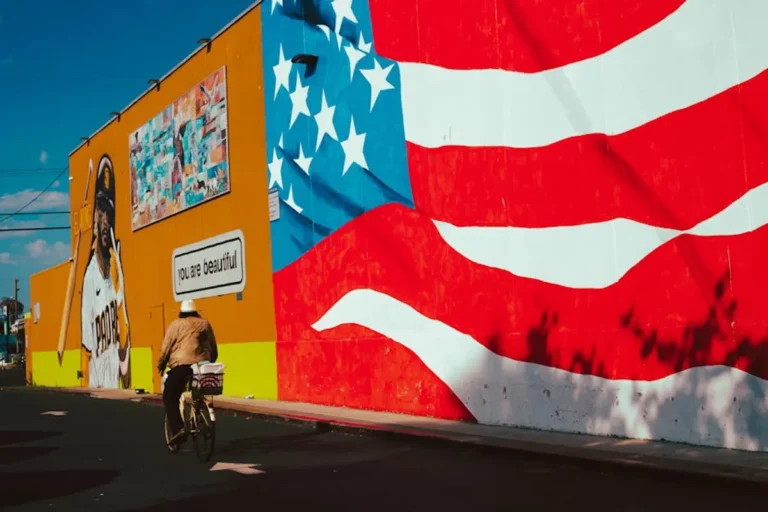

Understanding the signature styles of prominent street artists provides marketers, brand strategists, and content creators with a critical lens for cultural trend analysis and authentic visual communication. Beyond mere aesthetic appreciation, recognizing distinct artistic signatures allows for more informed decisions regarding brand collaborations, campaign conceptualization, and the identification of emerging visual narratives. This insight helps to avoid generic approaches, ensuring that any engagement with street art culture is resonant and strategically aligned with the artist's established identity and impact.
The Distinctive Visual Language of Street Art Icons
Each influential street artist cultivates a visual language that transcends individual pieces, forming a recognizable brand through recurring motifs, techniques, and thematic concerns. This consistent stylistic fingerprint is what enables their work to be identified globally, often without a signature, and contributes to their commercial value and cultural influence.
Banksy: Subversive Stencil Commentary
Banksy's signature style is defined by a meticulous stencil technique, often executed in monochrome or limited color palettes, juxtaposed against public spaces. His work consistently features a blend of dark humor, political satire, and social commentary, addressing themes such as consumerism, war, poverty, and surveillance. The anonymity of the artist amplifies the focus on the message, making the art itself the primary brand identifier.
- Key Elements:
- Stenciled imagery, often black and white or sepia tones.
- Juxtaposition of innocent or iconic figures with subversive contexts.
- Direct, often poignant, social and political messaging.
- Strategic placement in highly visible, often unexpected, urban environments.
Commercial Relevance: Brands seeking to convey a rebellious, thought-provoking, or socially conscious message often draw inspiration from Banksy's approach to public engagement and critical commentary. The immediate recognizability of his style, even if not directly replicated, informs visual campaigns aiming for similar impact.
Shepard Fairey: Propaganda Art and Bold Graphics
Shepard Fairey's style evolved from the "Obey Giant" sticker campaign into a sophisticated form of propaganda art, characterized by bold graphic design, limited color palettes (often red, black, and cream), and strong iconography. His work frequently incorporates portraiture, stylized text, and patterns, delivering messages of social justice, anti-establishment sentiment, and empowerment. The aesthetic draws heavily from Soviet-era propaganda posters and pop art, creating an instantly iconic visual.
Commercial Relevance: Fairey's aesthetic has proven highly adaptable for merchandise, album art, and brand collaborations that aim for a retro-futuristic, activist, or pop-culture-infused identity. His ability to distill complex messages into striking visual shorthand makes his style a reference for impactful, memorable branding.
Invader: Pixelated Urban Interventions
Invader's signature involves mosaic tile installations that mimic the pixelated characters from early video games, primarily "Space Invaders." These small, distinct pieces are strategically placed in urban environments worldwide, often on high ledges or obscure corners, creating a global "invasion" game. The choice of medium (ceramic tiles) and subject matter (8-bit graphics) is consistent, making his work easily identifiable and trackable through his "FlashInvaders" app.
Pro Tip: When analyzing street art for commercial application, always consider the artist's established themes and public perception. Authenticity is paramount; misaligning a brand with an artist's core message can result in backlash and dilute the intended impact. Research the artist's full body of work and public statements to ensure a genuine connection, rather than merely appropriating a visual style.
Commercial Relevance: The playful, nostalgic, and interactive nature of Invader's work appeals to brands targeting tech-savvy, gaming-oriented, or culturally curious demographics. His global presence and distinctive visual language offer inspiration for campaigns that aim for widespread, recognizable, and engaging public art activations.
JR: Large-Scale Photographic Paste-Ups
JR is known for his monumental black-and-white photographic paste-ups, often featuring portraits of ordinary people from marginalized communities. His work transforms public spaces into galleries, bringing untold stories and faces to the forefront. The scale and ephemeral nature of his installations are central to his artistic statement, emphasizing the temporary yet powerful impact of human presence and collective identity. His projects frequently involve community participation in the creation and display of the art.
Commercial Relevance: JR's approach offers a template for brands looking to engage in large-scale, community-focused, or socially conscious campaigns. His method of amplifying individual stories through public art provides a powerful framework for authentic brand storytelling and visual advocacy, particularly for initiatives focused on human connection and social issues.
Deconstructing Signature Styles for Strategic Insight
Identifying the common threads across these artists reveals how a signature style is built and maintained. This understanding is valuable for any entity aiming to develop a distinct visual identity or engage with cultural narratives.
- Recurring Motifs and Iconography: Consistent use of specific symbols, characters, or imagery (e.g., Fairey's Obey Giant, Invader's pixel characters).
- Distinctive Techniques and Media: Unique application of materials or methods (e.g., Banksy's stencils, JR's large-format paste-ups).
- Consistent Thematic Concerns: A clear focus on particular social, political, or humanistic messages that resonate throughout their body of work.
- Strategic Placement and Context: How the art interacts with its environment and the public, often integral to its meaning.
- Color Palette and Composition: A characteristic use of color, contrast, and layout that makes the work immediately recognizable.
Applying Insights from Street Art Styles
For marketers and creatives, dissecting the signature styles of renowned street artists offers actionable insights beyond mere appreciation. This analysis informs visual strategy by demonstrating how consistency, message, and execution contribute to a powerful, recognizable brand. Understanding these elements can guide decisions in content creation, brand identity development, and the identification of authentic cultural touchpoints. It encourages a deeper look into the cultural context and public perception of visual trends, moving beyond superficial aesthetics to leverage genuine artistic impact for commercial objectives.
Frequently Asked Questions
What defines a street artist's signature style?
A street artist's signature style is characterized by a consistent combination of visual elements, techniques, recurring themes, and strategic placement that makes their work instantly recognizable, often without explicit attribution.
Why is understanding street art styles important for brands?
For brands, understanding street art styles provides insight into cultural trends, visual communication strategies, and public engagement tactics. It enables more authentic collaborations, informs campaign aesthetics, and helps identify impactful visual narratives that resonate with target audiences.
Can a brand legally use a street artist's style for marketing?
Directly copying or appropriating a street artist's style without permission can lead to legal issues related to copyright and intellectual property. Brands should seek direct collaborations or commission original works from artists, ensuring proper licensing and ethical engagement.
How do street artists maintain their unique identity in a crowded field?
Street artists maintain their unique identity through relentless consistency in their visual language, thematic focus, and often, through innovative techniques or strategic, high-impact placements that distinguish their work from others.