
Selecting a destination for street art exploration in 2026 requires assessing not just the volume of murals, but also the scene's dynamism, accessibility, and cultural integration. For content creators, marketers, and urban trend analysts, these cities offer rich visual narratives, insights into local socio-political currents, and opportunities to observe evolving artistic techniques. The choice impacts photographic potential, narrative depth for content campaigns, and the understanding of public space engagement. This compilation focuses on cities with established reputations that continue to innovate, offering distinct experiences for those looking to document, draw inspiration from, or simply immerse themselves in the global street art movement.
Factors to Consider When Choosing a Street Art City
Evaluating street art destinations goes beyond a simple count of artworks. Consider the legal framework surrounding street art in each city; some actively commission murals, fostering a more accessible and preserved environment, while others maintain a grittier, ephemeral illegal scene. The diversity of artistic styles—from large-scale photorealistic murals to intricate stencil work or politically charged graffiti—dictates the visual content potential. Accessibility is key: Are major art zones walkable, or do they require extensive travel? Are guided tours readily available and reputable? Finally, assess how deeply street art is integrated into the city's cultural fabric, reflecting local history, social issues, or community initiatives, which adds significant narrative value.
1. Berlin, Germany
Berlin remains a global epicenter for street art, characterized by its historical layers and a persistent counter-cultural spirit. Districts like Kreuzberg, Friedrichshain, and Mitte serve as open-air galleries, showcasing works that range from politically charged statements on the remnants of the Berlin Wall (East Side Gallery) to large-scale, intricate murals by international artists. The city's history of division and reunification provides a unique canvas for art that often explores themes of freedom, identity, and urban transformation. The scene is dynamic, with new pieces appearing regularly, reflecting current social dialogues.
Best For: Political and historical commentary, large-scale murals, and a blend of legal and illegal works. Ideal for those interested in art as a form of social critique and urban regeneration.
Pros: Extensive and diverse collection of works; high concentration in walkable districts; numerous guided tours available; strong international artist presence; art often preserved due to historical significance or community support.
Cons: Some high-profile works can be crowded with tourists; the sheer volume requires focused planning to avoid superficial viewing; legality can be ambiguous in certain areas, leading to ephemeral pieces that may disappear quickly.
Verdict: Berlin offers an unparalleled depth of narrative and visual impact, making it a critical destination for understanding street art's role in historical memory and contemporary urban identity.
2. Bristol, UK
As the hometown of Banksy, Bristol holds a foundational place in the modern street art narrative. The city's scene extends far beyond its most famous son, with a strong community of local artists contributing to its distinctive style, often characterized by stencil work, vibrant colors, and satirical commentary. Stokes Croft, Nelson Street, and the surrounding areas are primary hubs, with new pieces frequently emerging. The annual Upfest, Europe's largest street art festival, further cements Bristol's reputation, drawing artists and enthusiasts globally and ensuring a fresh influx of works.
Best For: Stencil art, satirical and socially conscious works, and experiencing a community-driven street art culture. Excellent for those interested in the origins and evolution of specific street art techniques.
Pros: High density of significant works in accessible areas; strong local artist community; annual festival ensures a fresh rotation of art; relatively compact city center makes exploration efficient; clear connection to a pivotal figure in street art history.
Cons: Focus on Banksy can overshadow other talented artists for some visitors; weather can be a factor for outdoor viewing; some areas are less pedestrian-friendly, requiring specific navigation.
Verdict: Bristol provides an essential experience for anyone tracing the lineage of contemporary street art, offering both historical depth and an active, evolving scene.
3. Melbourne, Australia
Melbourne distinguishes itself with its extensive network of laneways and alleyways, which have become legal canvases for an ever-changing display of graffiti, murals, and paste-ups. Hosier Lane, AC/DC Lane, and Croft Alley are iconic examples, but the art spills into countless other hidden passages throughout the CBD and inner suburbs. The city actively supports street art through designated legal walls and cultural initiatives, fostering a diverse range of styles from intricate stencils to large-scale portraits. The ephemeral nature of much of the art means each visit offers a unique visual experience.
Best For: Laneway art, legal graffiti, and a constantly evolving urban canvas. Ideal for those who appreciate the dynamic, transient nature of street art and its integration into urban architecture.
Pros: High density of art in walkable, central locations; supportive legal framework encourages creativity; diverse range of local and international artists; easy access to public transport; vibrant cafe culture in art-rich areas enhances the experience.
Cons: Artworks in popular laneways can be quickly painted over or tagged, meaning some famous pieces are short-lived; intense commercialization in some areas can detract from the artistic purity; specific pieces can be hard to track down without local knowledge.
Verdict: Melbourne excels in integrating street art directly into its urban fabric, offering an accessible and perpetually fresh experience that showcases the art form's evolving dialogue with city life.
4. Lisbon, Portugal
Lisbon's street art scene has flourished over the last decade, transforming neglected urban spaces into vibrant canvases. The city's hilly topography and historic architecture provide unique backdrops for large-scale murals, often influenced by traditional Portuguese azulejo tiles and contemporary graphic design. Neighborhoods like Bairro Alto, Graça, and especially the Amoreiras district, are home to monumental works. Lisbon's municipal government has actively supported street art through initiatives like the Galeria de Arte Urbana (GAU), commissioning pieces and designating legal walls, which has attracted both local talents and international artists.
Best For: Large-scale murals, art influenced by local culture and history, and urban regeneration through art. Suited for those interested in how street art contributes to a city's visual identity and revitalization.
Pros: Stunning large-format pieces integrated into the urban landscape; official support from the city promotes longevity and quality; unique blend of traditional and contemporary influences; vibrant colors and strong visual impact; excellent public transport for reaching various art zones.
Cons: Artworks are spread across a hilly city, requiring significant walking or public transport use; some areas can be less polished, presenting safety considerations; language barrier might affect deeper engagement with local artists or tours.
Verdict: Lisbon offers a visually striking and culturally rich street art experience, demonstrating how official endorsement can elevate and preserve urban art as a major cultural asset.
5. Buenos Aires, Argentina
Buenos Aires boasts one of the most permissive legal frameworks for street art globally, allowing artists to paint on private property with the owner's permission. This has led to an explosion of large-scale, elaborate murals across the city, particularly in neighborhoods like Palermo, Colegiales, and La Boca. The art often carries strong social and political messages, reflecting Argentina's complex history and vibrant cultural identity. The sheer scale and artistic quality of the works, often created by collectives, provide a truly immersive experience.
Best For: Politically charged and socially conscious large-scale murals, and an understanding of street art within a permissive legal environment. Excellent for those seeking art with deep cultural and historical roots.
Pros: Exceptionally large and detailed murals due to legal permission; strong narrative and political content; numerous guided tours specifically focused on street art; vibrant and colorful aesthetic; art often created by established collectives, ensuring high quality.
Cons: Artworks are very spread out across a large city, necessitating extensive travel between neighborhoods; some areas, particularly La Boca, can be tourist-heavy; ephemeral nature means some pieces are painted over, though often with new, equally impressive works.
Verdict: Buenos Aires stands out for its unique legal approach to street art, fostering an environment where monumental, narrative-driven works thrive and offer profound cultural insights.
6. Bogotá, Colombia
Bogotá has transformed from a city with a burgeoning illegal graffiti scene into a globally recognized street art destination, largely due to a shift in municipal policy towards decriminalization and promotion. The Candelaria district, with its colonial architecture, is a primary canvas, alongside areas like Teusaquillo and Chapinero. Bogotá's street art is characterized by its vibrant colors, intricate details, and strong social commentary, often addressing themes of peace, indigenous rights, and urban life. The city's high altitude and consistent climate make it suitable for year-round exploration.
Best For: Socially and politically charged murals, vibrant colors, and a dynamic scene influenced by recent policy changes. Ideal for those interested in how art reflects and influences societal transformation.
Pros: High concentration of impressive murals, particularly in La Candelaria; strong social and political narratives embedded in the art; numerous dedicated street art tours available; relatively consistent weather for outdoor viewing; a clear example of policy positively impacting artistic output.
Cons: Some areas outside tourist zones can present safety concerns; the sheer volume of art can be overwhelming without guidance; altitude may affect some visitors; rapid growth means some pieces may be temporary.
Verdict: Bogotá exemplifies how supportive urban policies can cultivate a world-class street art scene, offering visually stunning and deeply meaningful works that engage directly with local and national issues.
7. New York City, USA
New York City's street art legacy is foundational, tracing back to the birth of graffiti in the Bronx and its subsequent evolution across the boroughs. While much of the illegal graffiti has been suppressed, neighborhoods like Bushwick in Brooklyn have become vibrant, legal outdoor galleries. The Bushwick Collective, for instance, annually refreshes murals by international and local artists, making it a dynamic hub. The Lower East Side and parts of Manhattan also feature significant works, blending historical graffiti styles with contemporary muralism. NYC's scene is a testament to the enduring spirit of urban art, constantly reinventing itself.
Best For: Experiencing the roots of graffiti and its evolution into contemporary muralism, with a focus on large-scale, curated outdoor galleries. Suited for those interested in the historical trajectory and current trends of urban art.
Pros: Historically significant location for urban art; high concentration of curated murals in specific districts like Bushwick; easy public transport access to major art zones; diverse range of styles and artists; constant refresh of artworks in key areas.
Cons: Artworks are spread across different boroughs, requiring significant travel time; some areas can be crowded; the commercialization of certain art districts can dilute the raw, spontaneous feel of street art; finding specific ephemeral pieces can be challenging.
Verdict: New York City offers a comprehensive journey through the history and future of street art, providing both iconic historical contexts and dynamic contemporary expressions.
8. Los Angeles, USA
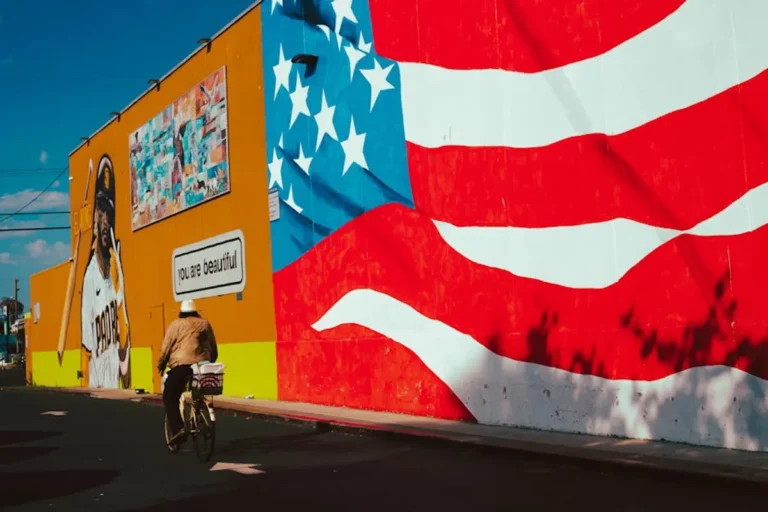
Los Angeles possesses a diverse and expansive street art scene, reflecting its sprawling urban landscape and multicultural identity. The Arts District in Downtown LA has become a focal point, featuring monumental murals and galleries, but significant works can be found from Venice Beach to East LA. The city is particularly known for its Chicano mural tradition, which often carries powerful social and cultural messages. LA's street art benefits from its status as a creative hub, attracting a wide array of artists and styles, from photorealism to abstract pieces. The sheer scale of the city means discovery often requires specific planning.
Best For: Large-scale murals, Chicano art, and diverse artistic styles influenced by a multicultural urban environment. Ideal for those interested in the intersection of art, identity, and urban sprawl.
Pros: Enormous scale and diversity of artworks; strong historical tradition of Chicano murals; numerous high-profile artists contribute; often integrated with local businesses and cultural institutions; sunny weather generally conducive to outdoor viewing.
Cons: Artworks are extremely spread out, necessitating car travel for comprehensive viewing; heavy traffic can impede exploration; some areas lack pedestrian infrastructure; commercial influence can be prominent in certain art districts.
Verdict: Los Angeles provides a sprawling canvas for diverse street art, offering a unique perspective on how urban art adapts to and defines a vast, car-centric metropolis.
9. Paris, France
Paris, traditionally associated with classical art, has developed a vibrant and increasingly recognized street art scene, particularly in its outer arrondissements. The 13th arrondissement is a prime example, hosting an "open-air museum" of large-scale murals commissioned by the city, featuring works by renowned international artists. Belleville and Ménilmontant also offer a grittier, more spontaneous collection of graffiti, stencils, and paste-ups. Parisian street art often blends a sophisticated artistic sensibility with urban grit, reflecting the city's rich cultural heritage alongside its contemporary social dynamics.
Best For: Curated large-scale murals in designated areas, and a blend of traditional artistic influences with contemporary urban expressions. Suited for those who appreciate a more refined approach to street art within a historic European capital.
Pros: High-quality, often government-commissioned murals in areas like the 13th arrondissement; excellent public transport for navigating art zones; blend of styles from fine art to raw graffiti; strong photographic potential with historic Parisian backdrops; often less overtly political than other cities, focusing on aesthetic or conceptual themes.
Cons: Artworks are less concentrated than in some other cities, requiring targeted navigation; some areas can feel less authentic due to official curation; the ephemeral nature of illegal works means they can be challenging to locate or may disappear quickly.
Verdict: Paris offers a sophisticated street art experience, showcasing how contemporary urban art can coexist and thrive within a city celebrated for its classical artistic heritage.
10. Valparaíso, Chile
Valparaíso, a UNESCO World Heritage site, is a city painted onto hillsides, where virtually every wall, staircase, and building facade serves as a canvas. Its labyrinthine streets and vibrant, often bohemian, atmosphere make it a unique street art destination. The art here is deeply integrated into the city's architecture and daily life, reflecting its port history, social struggles, and artistic community. The sheer density and continuous nature of the murals, from simple tags to elaborate multi-story pieces, create an immersive experience where the city itself feels like a living artwork.
Best For: Immersive, city-wide street art integration, and vibrant, colorful works reflecting local culture and landscape. Ideal for those who enjoy exploring art in a unique, non-traditional urban setting.
Pros: Entire city functions as an open-air gallery; highly integrated with the unique architecture and topography; strong local artistic community; vibrant colors and diverse styles; excellent photographic opportunities around every corner; walkable, though hilly, exploration.
Cons: Hilly terrain can be physically demanding for exploration; some areas can be less safe, particularly at night; the sheer volume of art can be overwhelming, making it hard to discern individual artists or specific pieces without a guide; weather can be damp.
Verdict: Valparaíso offers an unparalleled immersive street art experience, where the art defines the city's visual identity and provides a continuous, vibrant narrative.
11. George Town, Penang, Malaysia
George Town, another UNESCO World Heritage site, has become internationally renowned for its interactive murals and wrought-iron caricatures that tell stories of local life and history. Artists like Ernest Zacharevic initiated a trend of murals that often incorporate physical objects, inviting passersby to interact and become part of the artwork. This approach has fostered a unique, playful, and culturally specific street art scene. The art is primarily concentrated within the historic core, making it highly walkable and easily accessible for exploration.
Best For: Interactive murals, cultural storytelling, and street art integrated with local heritage. Excellent for those seeking a playful, engaging, and culturally specific street art experience.
Pros: Highly interactive and engaging artworks; strong focus on local history and culture; compact and walkable historic center; easy to navigate and find famous pieces; vibrant food scene complements exploration; generally good weather for outdoor viewing.
Cons: Some popular pieces can be crowded with tourists; the interactive nature can sometimes lead to wear and tear on the art; the scene is less about raw, spontaneous graffiti and more about curated, commissioned works; less focus on large-scale abstract or political pieces.
Verdict: George Town offers a distinctive and highly engaging street art experience, masterfully blending art with local narratives and encouraging visitor participation in a unique cultural dialogue.
12. São Paulo, Brazil
São Paulo's street art scene is characterized by its immense scale, raw energy, and a distinctive style often referred to as 'pixação'—a unique form of graffiti with angular, cryptic lettering. Beyond pixação, the city is home to world-renowned muralists like Os Gêmeos, whose large-scale, colorful, and often fantastical works adorn entire buildings. Vila Madalena, particularly Beco do Batman (Batman's Alley), is a vibrant, ever-changing outdoor gallery, but significant pieces are spread across the vast metropolis. São Paulo's street art reflects the city's complex social dynamics, urbanization, and vibrant cultural mix.
Best For: Large-scale, high-impact murals, unique local graffiti styles (pixação), and art that reflects urban sprawl and social complexity. Ideal for those seeking a powerful, raw, and visually overwhelming street art experience.
Pros: Monumental scale of many artworks; home to globally influential artists; unique local styles like pixação offer a distinct visual language; vibrant and dynamic scene with constant new works; good public transport to key art zones like Vila Madalena.
Cons: Artworks are extremely spread out across a massive city, requiring extensive travel; some areas can present safety concerns, especially when exploring less-trafficked zones; the sheer volume and often chaotic nature of the art can be overwhelming; weather can be hot and humid.
Verdict: São Paulo delivers an intense and expansive street art experience, showcasing the raw power and artistic innovation that emerge from a sprawling, dynamic urban environment.
Maximizing Your Street Art Experience
To fully leverage a street art visit for content or inspiration, engage with the local scene beyond passive observation. Prioritize research into local regulations; understanding whether art is legal, commissioned, or illicit informs the narrative you can build. Utilize local guides, as they provide context on artists, techniques, and the social significance of pieces that might otherwise be missed. This also supports local economies and ensures safer navigation in unfamiliar areas. Public transport is often the most efficient way to cover dispersed art zones, reducing logistical friction. Always respect the art and its environment, avoiding touching or defacing works, and being mindful of residential areas. Finally, consider the timing of your visit; festivals or specific art events can offer unique opportunities for fresh content and direct artist engagement.
Frequently Asked Questions
Is street art legal everywhere?
No. The legality of street art varies significantly by city and even by neighborhood within a city. Some cities actively commission murals and designate legal walls, while in others, any unauthorized mark is considered vandalism. Always research local regulations or join a guided tour to understand the context.
How can I find the best street art?
Start by researching specific neighborhoods known for street art in your chosen city. Websites, blogs, and local tourism offices often list popular spots. Guided street art tours are highly recommended, as local guides can lead you to hidden gems, provide context, and introduce you to emerging artists. Social media platforms can also offer real-time updates on new works.
What's the best way to photograph street art?
Good lighting is crucial; early morning or late afternoon light often provides softer, more even illumination. Pay attention to angles and composition, trying to capture the art within its urban context. For interactive pieces, include people in your shots to convey scale and engagement. Always be respectful of artists' work and any surrounding property.
Are there specific times of year to visit?
Generally, temperate weather is best for outdoor exploration. Avoid extreme heat, cold, or heavy rain if possible. Some cities host annual street art festivals (e.g., Upfest in Bristol, Bushwick Collective Block Party in NYC), which are excellent times to visit for new works and artist interaction, but also mean larger crowds.
How can I support street artists?
Many street artists also create studio work or sell prints; look