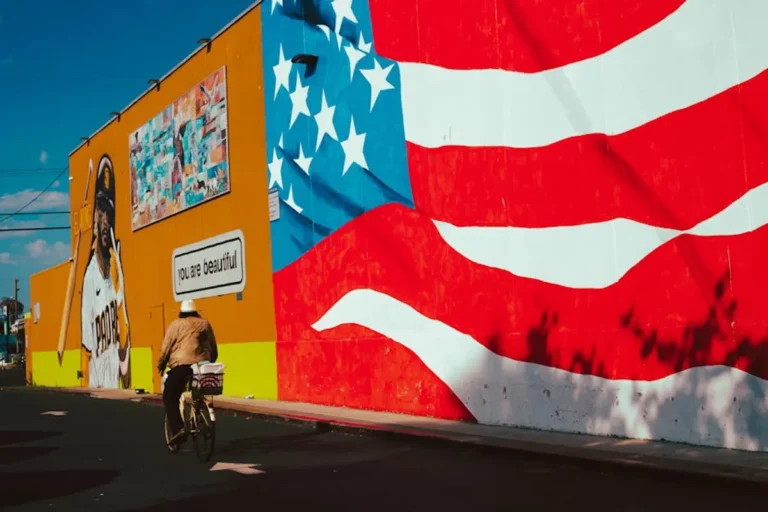

Understanding the historical trajectory of street art, from its clandestine origins to its current presence in mainstream galleries, provides critical context for marketers, brand strategists, and urban developers. This evolution is not merely an artistic narrative; it reflects shifts in cultural acceptance, commercial viability, and the strategic appropriation of subcultural movements. For professionals operating in areas like cultural marketing, urban regeneration, or brand partnerships, tracing this path reveals how authenticity can be commodified, how public perception transforms, and where genuine value resides in a rapidly evolving art market.
The Genesis of Graffiti: Subculture and Expression
Graffiti's initial emergence was rooted in urban identity and territorial marking, far removed from any commercial intent. Its early forms were primarily about individual or crew recognition within specific neighborhoods, utilizing public spaces as canvases for personal and collective statements. This period, largely from the late 1960s through the 1970s, established a visual language that challenged traditional notions of art and ownership.
Early Mark-Making and Tagging: Roots in Urban Identity
The earliest manifestations of what would become modern graffiti were simple tags—stylized signatures or monikers. These acts of mark-making were driven by a desire for visibility and recognition among peers, particularly in cities like Philadelphia and New York. The repetition and spread of these tags created a visual network that signified presence and ownership within specific urban territories. This era was characterized by:
- Anonymity and Risk: Artists operated outside legal frameworks, facing penalties, which fueled a sense of rebellion and exclusivity.
- Community-Driven Aesthetics: Style evolution occurred organically within artist communities, influencing each other through direct observation on subway cars and walls.
- Ephemeral Nature: The work was often temporary, painted over or cleaned, reinforcing its status as a transient, immediate form of expression.
This foundational period established the core tenets of graffiti: a direct engagement with the urban environment, a challenge to authority, and a powerful, albeit localized, communication system.
The Rise of the Wild Style: Aesthetic Evolution and Recognition
By the late 1970s and early 1980s, graffiti evolved beyond simple tags into more complex, intricate designs known as "Wild Style." This development involved elaborate lettering, intertwined forms, and a vibrant color palette, transforming public spaces into dynamic, large-scale canvases. Artists like Dondi White and Lee Quiñones pushed aesthetic boundaries, gaining recognition not just within their subculture but also from emerging art critics and gallerists. The visual sophistication of Wild Style began to bridge the gap between street and gallery, demonstrating artistic merit that transcended its illicit origins. This period marked the first significant commercial interest, as some artists were commissioned for private works or exhibited in alternative spaces.
From Walls to Canvas: The Commercial Transition
The shift from street to gallery was a complex process driven by cultural gatekeepers, market demand, and the artists' own aspirations. This transition fundamentally altered the perception and valuation of street art, positioning it as a collectible asset.
Bridging the Divide: Artists Entering the Gallery Space
The early 1980s saw a pivotal moment where a handful of influential art dealers and curators began to recognize the raw energy and artistic potential of graffiti. Figures like Patti Astor, with her Fun Gallery, and Tony Shafrazi were instrumental in showcasing graffiti artists in formal gallery settings. This move legitimized the art form in the eyes of the mainstream art world, attracting collectors and critics who might otherwise have dismissed it as vandalism. Artists like Jean-Michel Basquiat and Keith Haring, while not exclusively graffiti artists, emerged from this urban art scene and successfully transitioned, demonstrating the commercial viability of art rooted in street culture. Their success opened doors, creating a pathway for other street artists to explore gallery representation and sales.
The Role of Patrons and Collectors: Validating a New Art Form
The commercialization of street art was significantly propelled by a new class of patrons and collectors who saw both artistic merit and investment potential. These early adopters were often drawn to the rebellious spirit and cultural relevance of the work, viewing it as a fresh alternative to established art forms. Their willingness to purchase street art, initially at lower price points, provided financial validation and allowed artists to sustain their practice. As the market matured, the provenance of street art—its connection to specific urban environments or legendary artists—became a key factor in its valuation, influencing auction results and private sales. This validation by the market underscored the art form's permanence beyond its ephemeral street presence.
Pro Tip: When evaluating street art for commercial integration or investment, prioritize authentic artist narratives and verifiable provenance. Misjudging the context or intent behind a piece can undermine brand credibility and long-term value, as the art form's power often lies in its connection to genuine cultural movements.
Street Art as a Global Phenomenon
Beyond its origins, street art evolved into a global movement, characterized by diverse techniques and a growing acceptance in public and institutional spheres.
Diversification of Mediums and Techniques: Beyond Spray Paint
While spray paint remains iconic, contemporary street art encompasses a vast array of mediums and techniques. Stenciling, pioneered by artists like Blek le Rat and popularized by Banksy, allowed for rapid, repeatable imagery with political or social commentary. Wheatpasting (applying printed posters with adhesive), mosaic work, sticker art, and even yarn bombing have expanded the visual vocabulary. This diversification has enabled artists to engage with urban environments in more nuanced ways, often responding to specific architectural features or community needs. For marketers, understanding these varied approaches allows for more creative and contextually appropriate brand activations or content strategies.
Public Art Initiatives and Urban Regeneration: Official Recognition
In many cities, street art has moved from being tolerated to actively embraced as a tool for urban regeneration and cultural tourism. Municipalities and developers now commission murals and public art installations, recognizing their ability to revitalize neglected areas, attract visitors, and foster community pride. Festivals dedicated to street art, such as Art Basel Miami's Wynwood Walls, have transformed entire districts into open-air galleries, generating significant economic impact. This official recognition highlights a complete reversal from its outlaw status, presenting new avenues for commercial partnerships and cultural programming.
Commercial Implications and Brand Engagement
The journey from illicit tagging to gallery exhibitions has profound implications for how brands and organizations engage with street art today.
Authenticity vs. Commodification: Navigating Brand Collaborations
For brands, collaborating with street artists offers a powerful way to connect with contemporary culture and demonstrate relevance. However, this engagement requires careful navigation to maintain authenticity. The inherent anti-establishment ethos of street art can clash with corporate objectives, leading to accusations of "selling out" if not handled thoughtfully. Successful collaborations often involve giving artists creative freedom, aligning with their established narratives, and ensuring the partnership genuinely supports the art form or community, rather than merely appropriating its aesthetic for commercial gain. Brands that understand the historical context and respect the art's origins are better positioned to build credible, impactful campaigns.
Measuring Impact: Engagement Metrics and Cultural Capital
In the digital age, the impact of street art extends far beyond its physical location. Social media platforms amplify its reach, turning individual pieces into global phenomena. For marketers, this presents opportunities to measure engagement through shares, likes, and user-generated content. The cultural capital generated by prominent street art can translate into increased foot traffic for businesses, enhanced brand perception, and valuable content for digital campaigns. Analyzing these metrics, alongside traditional art market valuations, provides a comprehensive view of street art's commercial potency.
Strategic Insights from Street Art's Evolution
The trajectory of street art offers a compelling case study in how subcultural movements can achieve mainstream acceptance and commercial value. For professionals, this history underscores the importance of understanding cultural shifts, recognizing emergent talent, and carefully managing the tension between authenticity and commercialization. By appreciating the journey from raw urban expression to curated gallery pieces, businesses and organizations can develop more informed and impactful strategies for engaging with contemporary art and culture.
Frequently Asked Questions
What distinguishes graffiti from street art historically?
Historically, graffiti primarily focused on stylized lettering and tagging for personal or crew recognition, often done illicitly. Street art, while also urban and often illicit, encompasses a broader range of artistic practices including stenciling, wheatpasting, and murals, frequently with overt social or political commentary, and has seen a more direct path to gallery acceptance.
How does the commercialization of street art affect its authenticity?
Commercialization can challenge authenticity if artists or brands prioritize profit over the art's original intent or message. However, it can also provide resources for artists to sustain their work and reach wider audiences, allowing for a new form of authentic expression within a commercial framework if managed carefully.
Can street art increase property values or urban regeneration?
Yes, strategically placed and curated street art has been shown to contribute to urban regeneration by attracting tourism, increasing foot traffic, and improving the aesthetic appeal of neighborhoods, which can subsequently lead to increased property values and investment.
What role do digital platforms play in contemporary street art?
Digital platforms, especially social media, are crucial for contemporary street art, providing artists with global visibility, enabling rapid dissemination of their work, and fostering online communities. They also serve as key channels for documenting ephemeral pieces and measuring audience engagement.