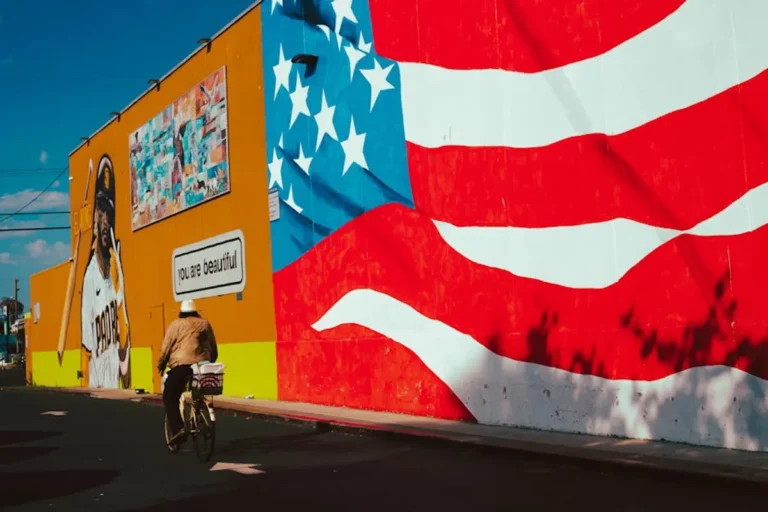

Understanding what constitutes a great street art gallery, particularly in the digital realm, is critical for site owners, marketers, and SEO professionals aiming to build a valuable online presence. It extends beyond simply displaying images; it involves a strategic blend of visual fidelity, technical infrastructure, and community interaction designed to capture the ephemeral and often localized nature of street art. For commercial success and audience engagement, a digital gallery must not only showcase art but also provide context, foster connection, and maintain ethical standards, all while optimizing for discoverability and user experience.
Curatorial Depth and Visual Fidelity
A leading digital street art gallery distinguishes itself through meticulous curation and unwavering commitment to visual quality. This foundation ensures the art is presented authentically and respectfully, providing a rich experience that retains visitors and encourages exploration.
High-Resolution Imagery and Contextual Detail
The cornerstone of any effective online art gallery is its visual assets. High-resolution images, often captured under varying conditions, must be presented with clarity and minimal compression artifacts. Each piece benefits from accompanying details that transcend a simple caption. This includes the artist's name (or tag), the exact location (with geo-coordinates or a precise address), the date of creation, and the date of documentation. Such granular data not only enriches the user's understanding but also provides valuable content for search engine indexing. Implementing structured data markup, such as Schema.org's ImageObject or CreativeWork, for each image and its metadata enhances search visibility by explicitly defining content attributes to search engines.
Artist Attribution and Narrative Richness
Authenticity in street art often hinges on proper attribution and the story behind the work. A great gallery prioritizes identifying and crediting artists, linking to their official portfolios or social media profiles where possible. Beyond attribution, providing narrative context—the inspiration, the social commentary, or the historical significance of a piece—transforms a collection of images into a compelling archive. This qualitative information deepens engagement, educates the audience, and positions the gallery as an authoritative resource. For example, detailing the evolution of a specific wall, or the impact of a piece on its local community, adds layers of value that generic image aggregators cannot replicate.
Seamless User Experience and Technical Robustness
The most visually stunning content is ineffective if users cannot access it easily or if the platform is technically unsound. A great street art gallery integrates a user-centric design with a solid technical SEO framework to ensure discoverability and fluid interaction.
Intuitive Navigation and Mobile Adaptability
Users expect to find what they are looking for quickly and effortlessly. An intuitive navigation structure, featuring clear categories (e.g., by artist, location, style, or theme), robust search functionality, and logical internal linking, reduces friction. Given the prevalence of mobile browsing, especially for location-based content, the gallery must be fully responsive and optimized for various screen sizes. Fast loading times on mobile devices are non-negotiable; they directly impact bounce rates and Core Web Vitals, which influence search rankings. A mobile-first indexing approach by search engines means that the mobile experience is paramount for overall site performance.
Optimized Performance and Structured Data Integration
Beyond aesthetics, the underlying technical infrastructure dictates a gallery's reach. This includes:
- Image Optimization: Implementing lazy loading, serving images in next-gen formats (e.g., WebP), and compressing files without sacrificing quality are crucial for page speed.
- Descriptive Alt Text: Every image requires descriptive alt text for accessibility and to provide search engines with context about the image content.
- Clean URL Structures: Logical, human-readable URLs that incorporate relevant keywords improve both user experience and search engine understanding.
- XML Sitemaps: Regularly updated XML sitemaps ensure search engines efficiently discover and index all gallery pages and images.
- Schema Markup: Beyond basic image schema, consider implementing
Placeschema for location-specific art, orPersonschema for artist profiles, to provide rich snippets in search results.
Pro Tip: When documenting street art, prioritize obtaining consent from artists for publication, especially if the work is still active or if commercial intent exists. For unauthorized works, focus on objective documentation rather than endorsement. Always respect requests for removal or anonymization to uphold ethical standards and avoid potential legal disputes regarding intellectual property.
Fostering Community and Engagement
Street art is inherently communal and often participatory. A great digital gallery extends this spirit online, encouraging interaction and contribution to build a vibrant, engaged audience.
Interactive Features and Contribution Pathways
Engagement features like commenting sections, social sharing buttons, and user-generated content submission forms can transform a passive viewing experience into an interactive one. Allowing users to submit their own photos of street art (with proper moderation and attribution) can significantly expand the gallery's content base and foster a sense of ownership among the community. This also provides a continuous stream of fresh content, which search engines favor, assuming quality control is maintained.
Authentic Representation and Ethical Curation
Maintaining the integrity of street art means understanding its often transient nature and the socio-political context from which it emerges. A great gallery commits to authentic representation, avoiding commercial exploitation without artist consent and ensuring that the narratives presented are respectful and accurate. This ethical approach builds trust with both artists and the audience, establishing the gallery as a credible and responsible steward of street art culture.
Commercial Viability and Sustainable Growth
For many site owners, a digital street art gallery needs to be more than just a passion project; it needs a sustainable model. A great gallery integrates commercial strategies that align with its mission and audience.
Strategic Monetization Avenues
Monetization can take various forms, provided it respects the art and the artists. Options include:
- Print Sales: Partnering with artists for limited edition prints or offering print-on-demand services for approved works.
- Licensing: Facilitating the licensing of images for commercial use, with appropriate revenue sharing.
- Premium Content/Memberships: Offering exclusive access to artist interviews, behind-the-scenes content, or advanced search features.
- Affiliate Partnerships: Collaborating with art supply stores or art-related service providers.
- Donations/Crowdfunding: Allowing the community to directly support the gallery's operational costs and expansion.
Each avenue must be carefully considered to ensure it enhances, rather than detracts from, the user experience and the gallery's artistic credibility.
Partnership Development and Audience Expansion
Strategic partnerships with artists, cultural institutions, tourism boards, and local businesses can significantly amplify a gallery's reach and credibility. Collaborations on exhibitions, events, or content series introduce the gallery to new audiences and provide valuable backlinks and mentions for SEO. Expanding the audience also involves active promotion through social media, email marketing, and engaging with relevant online communities, positioning the gallery as a central hub for street art enthusiasts and researchers.
Practical Steps for Building a Leading Gallery
To establish a digital street art gallery that stands out, begin by defining a clear curatorial vision. Focus on a niche or a specific geographic area initially to build authority and depth. Invest in high-quality documentation and robust metadata practices from the outset. Prioritize user experience with a fast, mobile-friendly design and intuitive navigation. Implement a comprehensive technical SEO strategy, including structured data, to ensure discoverability. Finally, cultivate a community through interactive features and ethical content practices, exploring monetization models that align with your gallery's mission and respect the artists.
Frequently Asked Questions
How does a digital street art gallery differ fundamentally from a physical one?
A digital street art gallery transcends geographical limitations, offering global accessibility to art that is often ephemeral or located in diverse urban environments. It relies heavily on high-quality digital capture, robust metadata, and technical SEO for discoverability, whereas physical galleries depend on location, foot traffic, and physical curation.
What are the most critical technical considerations for an online street art gallery's success?
Key technical considerations include optimizing image files for fast loading, implementing descriptive alt text, utilizing clean URL structures, ensuring mobile responsiveness, and integrating structured data (Schema.org) for enhanced search engine understanding and visibility.
How can an online gallery ensure authenticity and respect for artists when showcasing street art?
Authenticity is maintained through accurate artist attribution, providing contextual narratives for each piece, and, whenever possible, obtaining artist consent for display. Ethical curation also involves respecting requests for content removal and avoiding unauthorized commercial exploitation of artworks.
What are effective monetization strategies for digital street art platforms?
Effective monetization strategies often include partnering with artists for print or merchandise sales, facilitating image licensing, offering premium content through memberships, or seeking community support via donations, all while ensuring these methods align with the gallery's mission and ethical guidelines.