
Urban regeneration projects frequently grapple with the challenge of transforming neglected or underperforming areas into vibrant, economically viable communities. While infrastructure, housing, and commercial development are foundational, the strategic integration of art offers a distinct, often underestimated, lever for achieving broader and more sustainable revitalization. This isn't merely about aesthetics; it's about deploying cultural assets as catalysts for economic uplift, social cohesion, and improved public well-being, directly impacting property values, tourism, and community engagement. For developers, city planners, and policymakers, understanding art's multifaceted role is crucial for designing projects that yield both tangible returns and lasting social value.
Art as a Catalyst for Economic Development
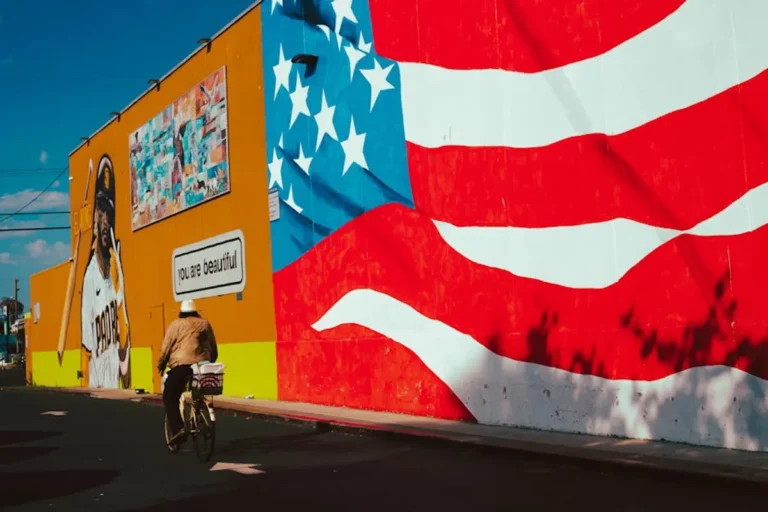
Integrating art into urban regeneration is a direct investment in local economies. Public art installations, vibrant murals, and curated art districts function as unique selling propositions, drawing visitors and residents alike. This increased foot traffic translates into direct revenue for local businesses, from cafes and retail shops to galleries and creative enterprises.
Attracting Investment and Tourism
Well-executed public art can significantly enhance an area's appeal, making it a destination rather than just a pass-through. Consider districts like Wynwood in Miami or Shoreditch in London, where street art and galleries have become primary tourist draws. This influx of visitors stimulates the local economy through spending on hospitality, retail, and cultural experiences. Beyond tourism, a reputation for cultural vibrancy attracts new businesses and residents seeking dynamic environments, leading to increased property values and a broader tax base. Developers often find that culturally enriched areas command higher rents and faster lease-ups, reflecting a market preference for places with character and artistic identity.
Supporting Local Businesses and Artists
Regeneration projects that commission local artists and integrate art into their design directly support the creative economy. This creates job opportunities for artists, designers, fabricators, and art administrators, fostering a self-sustaining ecosystem. Furthermore, the presence of art often encourages the proliferation of independent businesses, boutiques, and specialized services that cater to an artistically inclined demographic. This organic growth contributes to a diverse economic landscape, moving beyond chain stores to offer unique local experiences that further differentiate the regenerated area.
Enhancing Social Cohesion and Identity
Art's capacity to communicate, provoke thought, and foster dialogue makes it an invaluable tool for community building. In regeneration contexts, where existing communities may feel displaced or marginalized, art can provide a platform for expression and shared experience, strengthening local bonds.
Fostering Community Engagement
Participatory art projects, such as community murals or workshops, empower residents by giving them a voice in the transformation of their neighborhoods. When community members are involved in the creation process, they develop a sense of ownership and pride in the resulting artwork and the regenerated space. This engagement is critical for ensuring that projects reflect local needs and aspirations, rather than imposing external visions. Art can bridge social divides, creating shared public spaces where diverse groups interact, fostering understanding and collective identity.
Reflecting Local Heritage and Aspirations
Art offers a powerful medium for preserving and celebrating local history, culture, and identity. Murals depicting historical events, sculptures honoring local figures, or installations reflecting indigenous traditions can anchor a regenerated area in its past while pointing towards its future. This grounding is essential for preventing gentrification from erasing an area's unique character. By visually articulating shared narratives and aspirations, art helps create a distinctive sense of place, making the area feel authentic and belonging to its residents.
Improving Public Spaces and Well-being
Beyond economic and social factors, art plays a direct role in improving the physical environment of urban areas, making them more enjoyable, safer, and healthier places to live and work.
Transforming Neglected Areas
Art can dramatically alter perceptions of neglected or blighted spaces. A drab underpass can become an inviting gallery, a vacant lot can host a sculpture garden, and a dilapidated building can be transformed by a vibrant mural. These interventions not only beautify but also signal investment and care, deterring vandalism and encouraging positive use. The psychological impact of moving from an uninviting, grey environment to one filled with color and creativity is significant, contributing to a greater sense of well-being among residents and visitors.
Creating Safer, More Inviting Environments
Well-lit, aesthetically pleasing public spaces tend to be more heavily used, and increased activity naturally enhances safety. Art installations can draw people into areas that were previously avoided, creating "eyes on the street" that deter undesirable behavior. Furthermore, thoughtfully designed art can improve wayfinding and create memorable landmarks, making complex urban environments easier to navigate and more welcoming. The presence of art can soften harsh architectural lines, introduce natural elements, and create pockets of calm or stimulation, contributing to a more balanced and human-scaled urban experience.
- Increased pedestrian activity in previously underutilized areas.
- Enhanced sense of place and unique neighborhood identity.
- Visual improvements that deter graffiti and vandalism.
- Creation of social gathering points and interaction zones.
- Promotion of cultural tourism and local economic growth.
Navigating Challenges and Maximizing Impact
While the benefits are clear, integrating art into urban regeneration requires careful planning to avoid pitfalls and ensure long-term success. Challenges include securing funding, managing diverse stakeholder expectations, and ensuring the art remains relevant and maintained.
Pro Tip: To avoid "artwashing" – where art is used superficially to mask deeper social or economic issues without genuine community benefit – prioritize authentic community engagement and co-creation. Ensure art initiatives are integrated into broader social justice and economic empowerment strategies, rather than serving as standalone beautification efforts. Genuine impact comes from art that reflects and serves the community, not just attracts external attention.
Stakeholder Collaboration and Funding Models
Successful art integration in regeneration projects relies on robust collaboration between city governments, developers, artists, community groups, and private funders. Diverse funding models, including public grants, private donations, developer contributions (e.g., through public art ordinances), and crowdfunding, are often necessary. Establishing clear governance and maintenance plans from the outset ensures the longevity and impact of the artwork, preventing it from deteriorating or becoming an additional burden on public resources.
Measuring Success Beyond Aesthetics
Evaluating the success of art in urban regeneration extends beyond subjective aesthetic appreciation. Metrics can include increased foot traffic, local business revenue growth, property value appreciation, crime rate reduction, reported sense of community pride, and participation rates in art-related events. Longitudinal studies and community surveys provide valuable data to demonstrate the tangible returns on investment and inform future projects, moving beyond anecdotal evidence to quantifiable impact.
Strategic Implementation for Project Managers
For project managers overseeing urban regeneration, integrating art should be an intentional, early-stage consideration, not an afterthought. Begin by conducting a cultural needs assessment to understand community aspirations and existing artistic talent. Develop a comprehensive art master plan that aligns with the project's broader economic and social goals. Allocate dedicated budgets for commissioning, installation, and long-term maintenance. Prioritize local artists and engage residents through workshops and public forums to foster authentic ownership. Frame art as a critical infrastructure component, essential for creating resilient, attractive, and economically dynamic urban environments.
Frequently Asked Questions
What types of art are most effective in urban regeneration?
The most effective art forms are those that are site-specific, engage the community, and are resilient to urban conditions. This often includes large-scale murals, public sculptures, interactive installations, and temporary art events that draw crowds and activate spaces. The key is relevance to the local context and audience.
How is public art typically funded in regeneration projects?
Funding sources are diverse, often combining public funds (city budgets, grants), private developer contributions (sometimes mandated by "percent for art" policies), corporate sponsorships, and philanthropic donations. Community crowdfunding can also play a role, fostering local investment.
How do you measure the success of art in urban regeneration?
Success is measured through a combination of quantitative and qualitative data. Quantitative metrics include increased foot traffic, local business revenue, property value appreciation, and visitor numbers. Qualitative measures involve community surveys on pride, safety, and cultural engagement, as well as media coverage and public perception studies.
What are the main challenges when integrating art into urban regeneration?
Key challenges include securing adequate and sustainable funding, ensuring genuine community buy-in and avoiding tokenism, managing diverse stakeholder expectations, selecting art that resonates and endures, and establishing long-term maintenance plans for the artworks.