The terms "street art" and "graffiti" are often used interchangeably, yet they denote distinct forms of public visual expression with differing intents, legal statuses, and public perceptions. For marketers, urban planners, and cultural institutions, understanding these nuances is critical. Misidentifying or misapplying these labels can lead to misdirected campaigns, legal complications, or a failure to connect with target audiences. This distinction is not merely academic; it informs how public spaces are managed, how artists are perceived, and how commercial entities might engage with urban aesthetics.
Defining Graffiti: Subculture and Signature
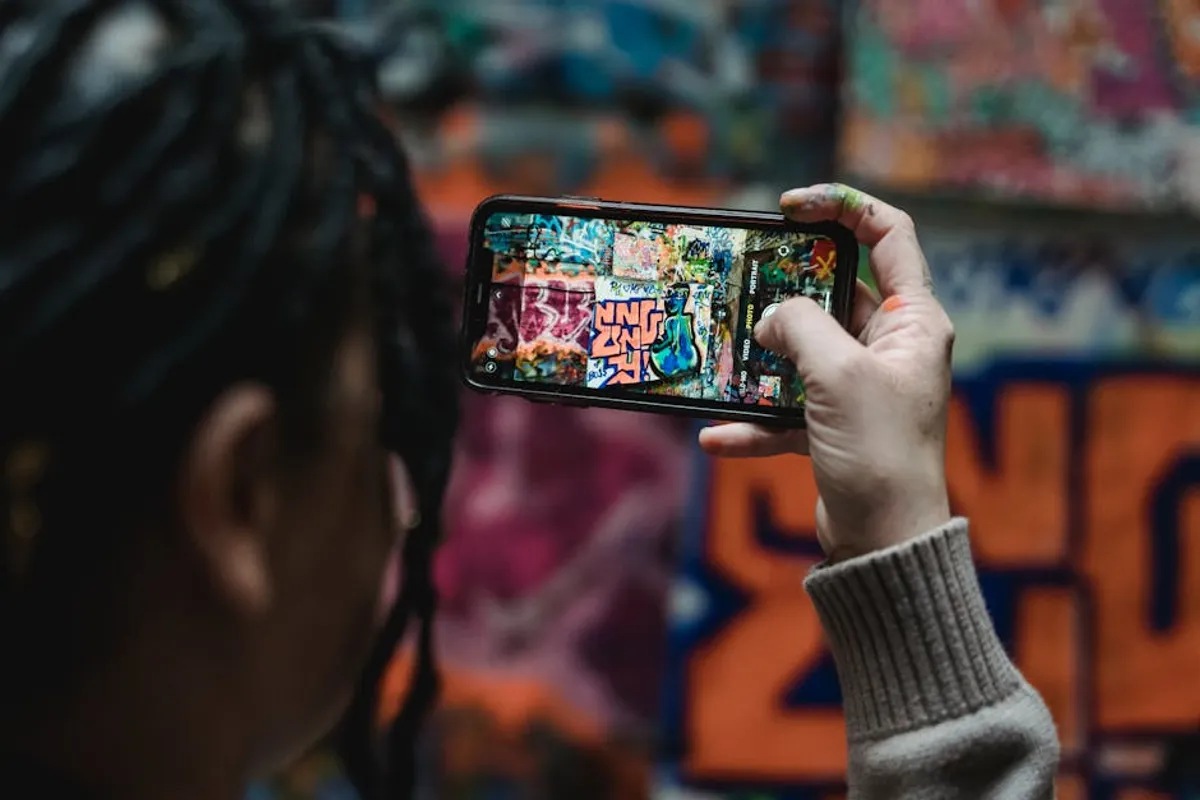
Graffiti, in its most recognized form, emerged from urban subcultures, primarily in the late 1960s and 1970s. It is fundamentally an act of self-expression and territorial marking, often executed without permission on public or private property. The core intent is typically to gain recognition within a specific community, establish presence, or convey a message of rebellion or dissent. Its primary characteristic is the stylized writing of names (tags), crew affiliations, or short phrases, often executed quickly and covertly.
- Intent: To mark territory, gain peer recognition, or express defiance.
- Legality: Predominantly unauthorized, considered vandalism or defacement.
- Technique: Primarily spray paint, markers; emphasis on speed, unique lettering styles (wildstyle, bubble letters, throw-ups).
- Audience: Primarily other graffiti writers and subculture members.
- Commercial Impact: Generally negative; associated with property damage and urban decay, leading to removal costs.
The aesthetic of graffiti often prioritizes complexity in lettering and color combinations, with a focus on developing a unique "handstyle." While some graffiti pieces can be elaborate and visually striking, the underlying act remains one of unauthorized intervention in the public sphere. This inherent illegality shapes its ephemeral nature, as works are frequently painted over or removed by authorities.
Defining Street Art: Public Engagement and Narrative
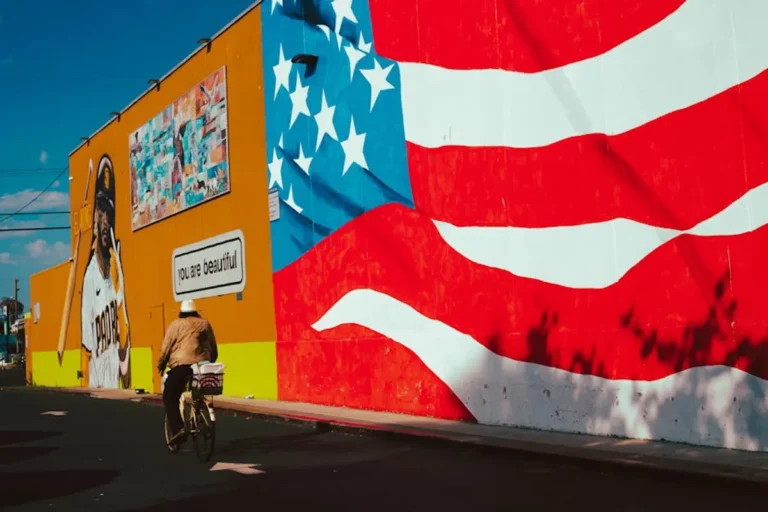
Street art, a broader and more contemporary category, generally refers to visual art created in public locations, often with the intent of engaging a wider audience, provoking thought, or beautifying an urban environment. Unlike graffiti, street art frequently seeks permission or operates in spaces where it is tolerated. Its origins can be traced to various art movements, including pop art and conceptual art, but its public manifestation gained significant traction from the 1980s onwards.
- Intent: To communicate a message, beautify space, or engage the general public.
- Legality: Often authorized, commissioned, or tolerated; can be unauthorized but generally aims for public acceptance.
- Technique: Diverse media including stencils, murals, paste-ups, stickers, sculptures, installations, and projection mapping.
- Audience: General public, art enthusiasts, tourists.
- Commercial Impact: Can enhance property values, drive tourism, lead to commissions, and serve as a platform for brand collaborations.
Street art prioritizes imagery, narrative, and artistic skill over stylized lettering. Artists often use symbols, figures, and scenes to convey social commentary, political statements, or simply aesthetic pleasure. The diversity of techniques and the emphasis on broader public appeal distinguish it significantly from traditional graffiti.
Core Distinctions: Intent, Legality, and Perception
The fundamental divergence between street art and graffiti lies in their foundational principles:
The Role of Permission
Graffiti's identity is inextricably linked to its unauthorized nature. The thrill and challenge of creating illicit works are central to its ethos. The absence of permission is not merely a consequence but often a defining characteristic. Street art, conversely, frequently operates within a framework of permission. While some street artists may engage in unsanctioned work, a significant portion of what is recognized as street art today is commissioned by property owners, city councils, or cultural organizations. This permission shifts the perception from vandalism to public art.
Artistic Intent and Execution
Graffiti primarily focuses on the act of writing and the development of a unique, recognizable signature. The message is often internal to the subculture, prioritizing style and recognition within a specific peer group. Street art, however, often aims for a broader communicative purpose. Artists use diverse visual language to tell stories, evoke emotions, or make social statements accessible to a general audience. The emphasis is on imagery, narrative, and the overall aesthetic impact on the public space, often employing traditional art techniques adapted for outdoor environments.
Public Reception and Commercial Value
The public generally perceives graffiti as an act of defacement, leading to efforts for its removal and legal penalties for its creators. Its commercial value is typically limited to the secondary market for collected sketches or canvases, rather than the public works themselves. Street art, on the other hand, is increasingly embraced by communities, becoming a driver for urban regeneration, cultural tourism, and public engagement. Cities worldwide commission murals, and brands collaborate with street artists for advertising campaigns, recognizing the positive cultural capital and broad appeal of this art form. This acceptance translates into tangible commercial value, from increased foot traffic in revitalized neighborhoods to direct artist commissions.
Pro Tip: When planning any public art initiative or marketing campaign involving urban aesthetics, meticulously differentiate between street art and graffiti. Unauthorized graffiti carries significant legal and reputational risks. Engaging with street artists, especially those with established reputations, requires clear contracts, intellectual property agreements, and explicit permission for site usage to avoid legal disputes and ensure positive brand association.
The overlap between the two forms can sometimes be ambiguous, especially with artists who transition between styles or operate in grey areas. However, for practical and commercial purposes, the distinction based on intent, legality, and public reception remains paramount.
Navigating Public Art: Strategic Considerations
Understanding the differences between street art and graffiti is essential for anyone operating in the public sphere, from urban developers to marketing agencies. For businesses, aligning with authorized street art can enhance brand image, demonstrate community engagement, and create memorable visual assets. Conversely, an association with unauthorized graffiti can be detrimental, implying a disregard for property or legal norms. Cultural institutions can leverage street art to democratize art access and engage new audiences, while city planners can use it as a tool for urban revitalization and identity building. The key is to approach public art with informed intent, respecting both legal boundaries and artistic integrity.
FAQ
Is all graffiti illegal?
The vast majority of graffiti, particularly "tagging" and "throw-ups," is created without permission and is thus illegal, classified as vandalism or defacement. However, some artists who started in graffiti have been commissioned to create murals, blurring the lines in specific instances.
Can street art be considered vandalism?
While much street art is authorized or tolerated, "guerrilla" street art created without permission can still be legally classified as vandalism. The distinction often hinges on whether the work was sanctioned by the property owner or local authorities.
What are common techniques in street art vs. graffiti?
Graffiti primarily uses spray paint and markers for stylized lettering. Street art employs a much broader range of techniques, including stenciling, paste-ups, murals (often with brushes and rollers), mosaic, sculpture, and even digital projections.
How do cities typically manage street art and graffiti?
Cities often have dedicated teams for graffiti removal and enforcement. For street art, many cities have public art programs that commission murals, establish legal walls, or create cultural districts to encourage and manage authorized artistic expression, recognizing its potential for urban beautification and tourism.