
Understanding the historical trajectory of street art offers more than a cultural overview; it provides a framework for identifying evolving aesthetic trends, community engagement opportunities, and the commercialization of subcultural movements. For content creators, marketers, and urban development strategists, tracing this timeline reveals the origins of visual languages that resonate with specific demographics, informs niche content strategies, and highlights potential for authentic brand integration within urban cultural landscapes. This historical context is crucial for developing informed content and marketing initiatives that respect the art form's roots while engaging contemporary audiences.
Early Roots and Precursors (Pre-1970s)
While modern street art is often associated with the late 20th century, its precursors stretch back centuries. Primitive cave paintings, ancient Roman political slogans scrawled on walls (graffiti from Pompeii offers clear evidence), and even medieval gargoyles served as public visual communication, often outside sanctioned institutions. The early 20th century saw the emergence of politically charged murals in Mexico, notably by artists like Diego Rivera, and the protest art of the Situationist International in Europe, which utilized détournement—the rerouting of existing artistic or literary elements—to critique consumer society. These movements established the precedent of public spaces as canvases for social commentary and artistic expression, laying foundational concepts for later street art.
Key characteristics:
- Public display as a form of communication.
- Often anonymous or collective authorship.
- Direct engagement with social or political issues.
- Ephemeral nature, subject to removal or decay.
The Rise of Graffiti: New York City (1970s-1980s)
The modern street art movement solidified in 1970s New York City, driven by the burgeoning hip-hop culture. Teenagers, primarily from marginalized communities, began tagging subway trains and city walls with stylized names and elaborate lettering, evolving from simple signatures into complex "pieces." Artists like TAKI 183 and JULIO 204 gained notoriety, sparking a competitive subculture. This era was characterized by:
Innovation in Technique and Style
Artists developed new spray paint techniques, pioneering "wildstyle" lettering, bubble letters, and 3D effects. The scale of works expanded from individual tags to entire train cars, transforming public transit into moving galleries. The focus was on visibility, quantity, and stylistic originality within a tight-knit community. The commercial relevance here lies in understanding how a subculture can rapidly develop its own visual lexicon and internal value system, which later becomes ripe for appropriation or collaboration.
From Subculture to Gallery Walls
By the early 1980s, the raw energy of graffiti began to attract attention from the mainstream art world. Artists like Jean-Michel Basquiat (SAMO) and Keith Haring, who emerged from the street art scene, transitioned their work into galleries, blurring the lines between street and fine art. This period marked the first significant commercial validation of street art, demonstrating its potential for market value and broader cultural impact. For brands, this trajectory illustrates how authentic, grassroots movements can eventually cross over into commercial viability, offering lessons in trend identification and cultural resonance.
Global Expansion and Diversification (1990s-Early 2000s)
The 1990s saw street art move beyond its graffiti origins and New York epicenter, spreading globally and diversifying its forms. Artists in cities like London, Paris, and Berlin adopted and adapted the techniques, often incorporating stenciling, paste-ups, and sticker art. This period marked a conscious shift towards more overtly artistic and less territorial expressions.
Pro Tip: When researching street art for content or marketing, distinguish between "graffiti" (often focused on lettering, names, and territorial claims) and "street art" (broader artistic expressions, often figurative or conceptual). Understanding this distinction helps in targeting specific aesthetics and avoiding misrepresentation in your messaging.
The Rise of Stencil Art
Stencil art, popularized by artists like Blek le Rat in Paris and later Banksy in the UK, offered a quicker, more reproducible method of creating detailed imagery. This technique allowed for rapid deployment and often carried strong political or satirical messages, reaching a wider audience with accessible, impactful visuals. The reproducibility of stencils also introduced new considerations for intellectual property and mass distribution of imagery.
Contextual and Site-Specific Work
Artists began to engage more deeply with the urban environment itself, creating works that responded to architectural features, social conditions, or historical contexts of specific locations. This site-specific approach deepened the art's connection to its surroundings, making it an integral part of the urban narrative rather than just an addition to a wall. This aspect provides a valuable lesson for place-based marketing and community storytelling.
Digital Age and Mainstream Acceptance (2000s-Present)
The 21st century has seen street art achieve unprecedented mainstream recognition, fueled by the internet and social media. Documentation and dissemination of street art became instantaneous, allowing works to reach global audiences far beyond their physical locations.
Internet as a Catalyst
Platforms like Flickr, Instagram, and dedicated street art blogs transformed how the art form was consumed and shared. This digital proliferation amplified the reach of individual artists and movements, creating global communities of enthusiasts and collectors. For content strategists, this demonstrates the power of digital channels in elevating niche cultural phenomena to global prominence, offering models for community building and content distribution.
Commercial Collaborations and Institutionalization
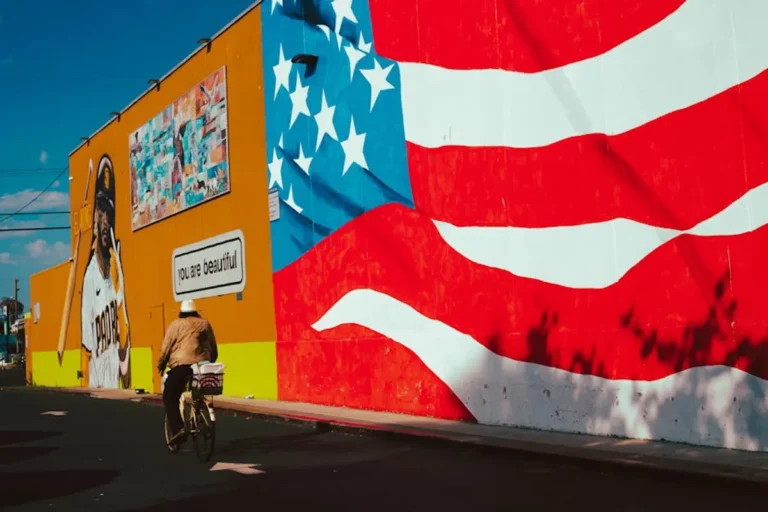
Street artists are now frequently commissioned by brands, cities, and cultural institutions for murals, advertising campaigns, and public art projects. Festivals dedicated to street art have become common, attracting tourists and generating economic activity. While some purists debate the commercialization, this mainstream acceptance has provided artists with new avenues for income and exposure. This integration into the commercial sphere highlights the evolution of a once-rebellious art form into a valuable asset for urban regeneration and brand storytelling.
Strategic Applications of Street Art History
Understanding the street art timeline provides practical insights for various professional fields. For marketers, it informs strategies for authentic engagement with urban cultures, identifying visual trends, and leveraging community-driven art for brand narratives. Content creators can develop rich, historically informed narratives around urban art, attracting niche audiences interested in cultural evolution and artistic expression. Urban planners and developers can integrate street art into public spaces, drawing on its history to foster community identity and enhance aesthetic appeal, often leading to increased foot traffic and local economic benefits. The journey from illicit tagging to celebrated public art offers a compelling case study in cultural evolution and market adaptation.
Frequently Asked Questions
What distinguishes street art from traditional graffiti?
Traditional graffiti often focuses on stylized lettering, tags, and names, primarily by individuals or crews asserting presence, often illicitly. Street art is a broader category encompassing various techniques (stencils, paste-ups, murals, installations) and often carries more overt artistic, social, or political messages, sometimes with permission, and aims for broader public engagement beyond a subculture.
How has street art's legal status evolved over time?
Historically, much street art began as unsanctioned, illegal activity. Over time, as its cultural value became recognized, many cities and private entities began commissioning street artists for murals and public art projects. While unauthorized street art still exists, there's a growing trend towards legitimization and integration into urban planning, blurring the lines between vandalism and public art.
What role do online platforms play in contemporary street art?
Online platforms like Instagram, specialized blogs, and digital archives are crucial for contemporary street art. They provide global visibility for artists, facilitate documentation and preservation of ephemeral works, and create communities for enthusiasts. This digital presence has significantly contributed to street art's mainstream acceptance and commercial viability.
Can street art be considered a legitimate investment?
Yes, certain street artists' works, particularly those who have successfully transitioned into the gallery system or achieved global recognition (e.g., Banksy, KAWS, Shepard Fairey), are considered legitimate investments. Original works, prints, and even documented pieces from public installations can command significant value in the art market, reflecting its growing acceptance and cultural impact.