Street art murals have transitioned from ephemeral expressions to integral components of urban design and cultural identity. For city planners, marketers, and community developers, understanding this shift is crucial. Murals are no longer mere decoration; they are strategic assets that shape perception, drive economic activity, and foster social cohesion, offering tangible returns on investment in public space and cultural branding.
The Evolution of Murals in Urban Landscapes
From Vandalism to Valued Art
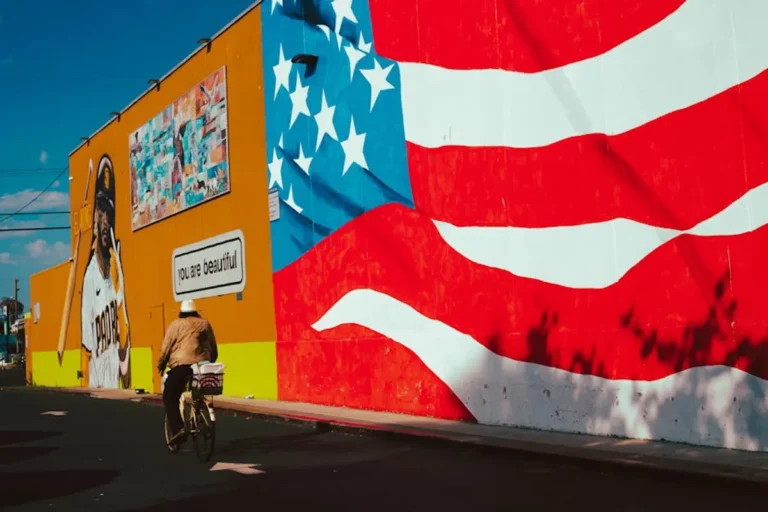
Historically, large-scale public wall art was often associated with unsanctioned graffiti, carrying connotations of blight and transience. However, a significant cultural re-evaluation has occurred over the past few decades. Artists, communities, and municipal bodies increasingly recognize the artistic merit and communicative power of murals. This evolution reflects a broader acceptance of diverse artistic forms and a strategic pivot by cities to harness this energy. Instead of solely focusing on removal, urban centers now often invest in commissioning murals, transforming previously neglected walls into vibrant cultural landmarks. This shift acknowledges the inherent human desire for public beauty and expression, channeling it into managed, impactful projects.
Public Art Initiatives and Community Engagement
The institutionalization of mural art has led to numerous public art initiatives. These programs often involve structured funding, artist selection processes, and community input, ensuring that the art resonates with local residents and serves specific civic goals. Engagement can range from workshops where community members contribute ideas to large-scale projects that become focal points for neighborhood identity. This participatory approach ensures authenticity and ownership, making the murals not just art *in* the community, but art *of* the community. Such initiatives are particularly effective in areas undergoing regeneration, providing a visible sign of investment and renewed purpose.
Murals as Cultural Narratives and Identity Markers
Reflecting Local History and Heritage
Murals serve as powerful visual archives, depicting historical events, celebrating local heroes, or illustrating the unique heritage of a neighborhood. This narrative function is invaluable for preserving collective memory and educating both residents and visitors about a place's past. A mural depicting a significant historical moment or a local industry can anchor a district's identity, providing a sense of continuity and pride. This deepens the connection people feel to their surroundings, transforming anonymous spaces into places with stories.
Voicing Social and Political Commentary
Beyond history, murals frequently act as platforms for contemporary social and political discourse. Artists use public walls to address issues like environmental justice, social equality, or community resilience. This form of public commentary makes art accessible and relevant, sparking conversations and reflecting the collective consciousness of an area. For marketers and agencies, understanding these narratives is key to grasping the underlying values and concerns of a community, which is essential for authentic engagement.
Creating District-Specific Brand Identity
The cumulative effect of strategically placed and thematically linked murals can establish a distinct brand identity for a city district or even an entire municipality. This visual branding differentiates areas, making them recognizable and memorable. Consider how specific neighborhoods become known for their street art, attracting visitors specifically for this aesthetic. Elements contributing to this identity include:
- Thematic Cohesion: A consistent artistic theme or style across multiple murals within a defined area.
- Artist Signatures: Works by prominent local or international artists that become synonymous with the location.
- Iconic Imagery: Murals that feature universally recognized symbols or figures unique to the area.
- Experiential Pathways: Art-walks or mural trails that encourage exploration and engagement with the urban fabric.
Economic and Social Impact of Street Art Murals
Driving Tourism and Local Commerce
Murals are significant tourist attractions. Visitors actively seek out vibrant street art districts, leading to increased foot traffic for local businesses such as cafes, galleries, and retail stores. This direct economic benefit translates into job creation and revenue generation for the local economy. Cities that invest in public art often see a measurable uptick in cultural tourism, extending visitor stays and diversifying economic activity beyond traditional attractions.
Enhancing Urban Aesthetics and Property Values
Aesthetically pleasing urban environments command higher property values and attract residents and businesses. Murals contribute significantly to this appeal, transforming drab or neglected facades into vibrant points of interest. The presence of well-maintained public art signals a cared-for community, which can deter vandalism and foster a sense of security. This improvement in perceived quality of life is a tangible asset for urban developers and real estate investors.
Fostering Community Pride and Safety
When residents see their stories and values reflected in public art, it instills a powerful sense of pride and belonging. This community ownership can lead to increased civic engagement and a stronger collective identity. Furthermore, well-lit, actively managed public art spaces can contribute to a safer urban environment by increasing passive surveillance and fostering a sense of shared responsibility for public areas.
Pro Tip: When commissioning murals for urban development or branding, prioritize authentic community input and artist selection. Murals perceived as purely commercial or imposed without local relevance can be counterproductive, leading to resentment and undermining the very cultural authenticity they aim to project. Ensure the art genuinely reflects or amplifies the existing spirit of the place.
Integrating Murals into Modern City Planning
Permitting, Preservation, and Artist Collaboration
Effective integration of murals requires clear municipal policies regarding permitting, funding, and long-term preservation. Cities are developing frameworks that streamline the approval process for artists and property owners, while also establishing guidelines for maintenance and restoration. Collaborative models, where city agencies, community groups, and artists work together, ensure that projects are both artistically compelling and contextually appropriate. This structured approach helps prevent conflicts and ensures the longevity and impact of the art.
Digital Integration and Augmented Reality Experiences
The intersection of physical murals and digital technology offers new avenues for engagement. Augmented Reality (AR) applications can overlay interactive content onto murals, providing viewers with artist statements, historical context, or animated elements through their smartphones. This digital layer enhances the physical experience, making murals dynamic educational tools and immersive attractions, particularly appealing to tech-savvy audiences and younger demographics. It expands the reach and interpretive possibilities of static art.
Practical Application: Leveraging Murals for Urban Development
For agencies and urban planners, understanding the multifaceted impact of murals means recognizing them as strategic investments rather than mere beautification projects. Developing a comprehensive public art strategy involves identifying key areas for revitalization, engaging local artists and communities, securing diverse funding streams (public grants, private sponsorships), and integrating digital components for enhanced interaction. The goal is to create cohesive, narrative-driven artscapes that resonate locally while attracting broader attention, ultimately contributing to a city's cultural, social, and economic vitality. This approach moves beyond individual artworks to cultivate an entire ecosystem where art functions as a catalyst for positive urban transformation.
Frequently Asked Questions About Urban Murals
What is the primary difference between a mural and graffiti?
While both involve public wall art, murals are typically commissioned or officially sanctioned, often with community involvement and a specific artistic intent, whereas traditional graffiti is unsanctioned and focuses on personal expression, often with text-based elements.
How do cities fund mural projects?
Funding sources are diverse, including municipal arts budgets, public grants (state or national), private donations, corporate sponsorships, and community fundraising initiatives. Some cities also implement "percent for art" programs, allocating a portion of capital project budgets to public art.
What benefits do businesses see from nearby murals?
Businesses often experience increased foot traffic from visitors seeking out murals, leading to higher sales and visibility. Murals can also enhance the aesthetic appeal of a business's surroundings, contributing to a more pleasant shopping or dining experience and creating a distinct local brand.
How are murals preserved against weathering or damage?
Preservation involves using durable, weather-resistant paints and protective coatings. Regular maintenance, cleaning, and periodic restoration by specialized conservators are also crucial. Some cities implement anti-graffiti coatings that allow for easier removal of subsequent vandalism without damaging the mural itself.