Public spaces, from city squares to transit hubs and commercial districts, are increasingly being re-envisioned as canvases for artistic expression. Modern murals offer a distinct opportunity to redefine these environments, moving beyond mere decoration to create impactful visual narratives. For urban planners, property developers, business improvement districts, and community organizations, selecting the right mural concept involves more than aesthetic preference; it requires strategic consideration of community impact, site context, and long-term viability. This guide explores contemporary mural ideas and their practical applications, focusing on how these installations can serve as catalysts for cultural enrichment, economic development, and enhanced public experience.
Understanding the Impact of Public Murals
Modern public murals are not static art pieces; they are dynamic interventions that can reshape perceptions and activate spaces. Their value extends beyond visual appeal, contributing tangibly to urban vitality.
Enhancing Urban Aesthetics and Identity
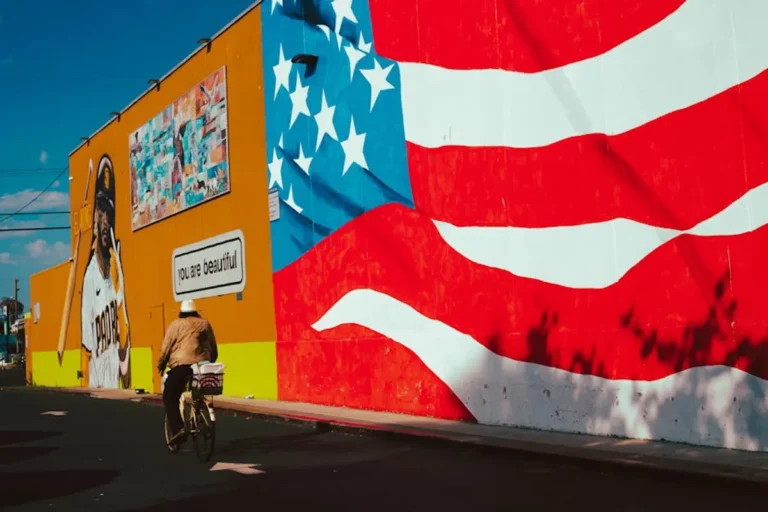
Murals provide a powerful tool for place-making. A well-conceived mural can transform a nondescript wall into a landmark, offering a unique visual identity to a neighborhood or district. This distinctiveness aids in branding an area, making it more memorable and attractive to residents and visitors alike. Public art can reflect local history, celebrate cultural diversity, or project a forward-looking vision, anchoring a community's identity in its physical environment. The visual uplift directly contributes to civic pride and a sense of belonging among residents.
Fostering Community Engagement
The process of creating a mural, particularly one involving community input or participation, builds social cohesion. Workshops, public consultations, and collaborative painting days can involve residents in the artistic process, fostering ownership and investment in the final piece. Post-installation, murals become conversation starters, gathering points, and backdrops for local events, encouraging interaction and shared experiences within the public realm. This engagement can lead to reduced vandalism and increased civic responsibility, as community members feel a direct connection to the art.
Driving Economic Vibrancy
Public art, including murals, has a documented effect on local economies. Murals can draw tourists and art enthusiasts, increasing foot traffic to nearby businesses such as cafes, shops, and galleries. They often become popular spots for photography and social media sharing, generating organic promotion for the area. Property values in districts with significant public art installations can see appreciation, and businesses may find murals enhance their brand image, signaling a commitment to cultural investment and community well-being. The economic benefit is often indirect but measurable through increased patronage and local investment.
Key Considerations for Modern Mural Projects
Successful mural projects require careful planning that extends beyond artistic vision to encompass practical and logistical details.
Site-Specific Context and Audience
Every mural project begins with its location. The architectural style of the building, the surrounding urban landscape, and the typical demographics of people who frequent the space should inform the mural's theme, style, and scale. A mural for a bustling commercial street will differ significantly from one intended for a quiet residential park or a schoolyard. Consider the sightlines, the distance from which the mural will primarily be viewed, and the existing color palette of the area to ensure harmonious integration and maximum impact.
Material Durability and Maintenance
Public murals are exposed to weather, pollution, and potential vandalism. Selecting appropriate materials is critical for longevity. High-quality exterior-grade paints, anti-graffiti coatings, and robust surface preparation are essential. The choice of materials impacts not only the initial cost but also long-term maintenance requirements and budget. Factor in regular cleaning schedules, potential repair costs, and the availability of specialized contractors for upkeep to ensure the mural remains vibrant and intact for years.
Permitting, Regulations, and Copyright
Navigating the legal and administrative landscape is a fundamental step. This includes obtaining necessary permits from local authorities, adhering to zoning regulations, and understanding any historical preservation guidelines for the site. Copyright for the artwork typically remains with the artist, even after installation, which requires clear contractual agreements regarding reproduction rights, modifications, and public display. Addressing these legalities upfront prevents future disputes and ensures all stakeholders are aligned.
Pro Tip: Before commissioning any public mural, conduct a thorough site analysis that includes sun exposure, pedestrian flow, and existing infrastructure. These factors influence not only the artistic design but also the technical execution and long-term durability of the artwork. Ignoring these details can lead to premature fading, structural issues, or limited public appreciation.
Contemporary Mural Styles and Techniques
Modern mural art embraces a wide spectrum of styles and innovative techniques, offering diverse options for public spaces.
Abstract Geometrics and Bold Color Fields
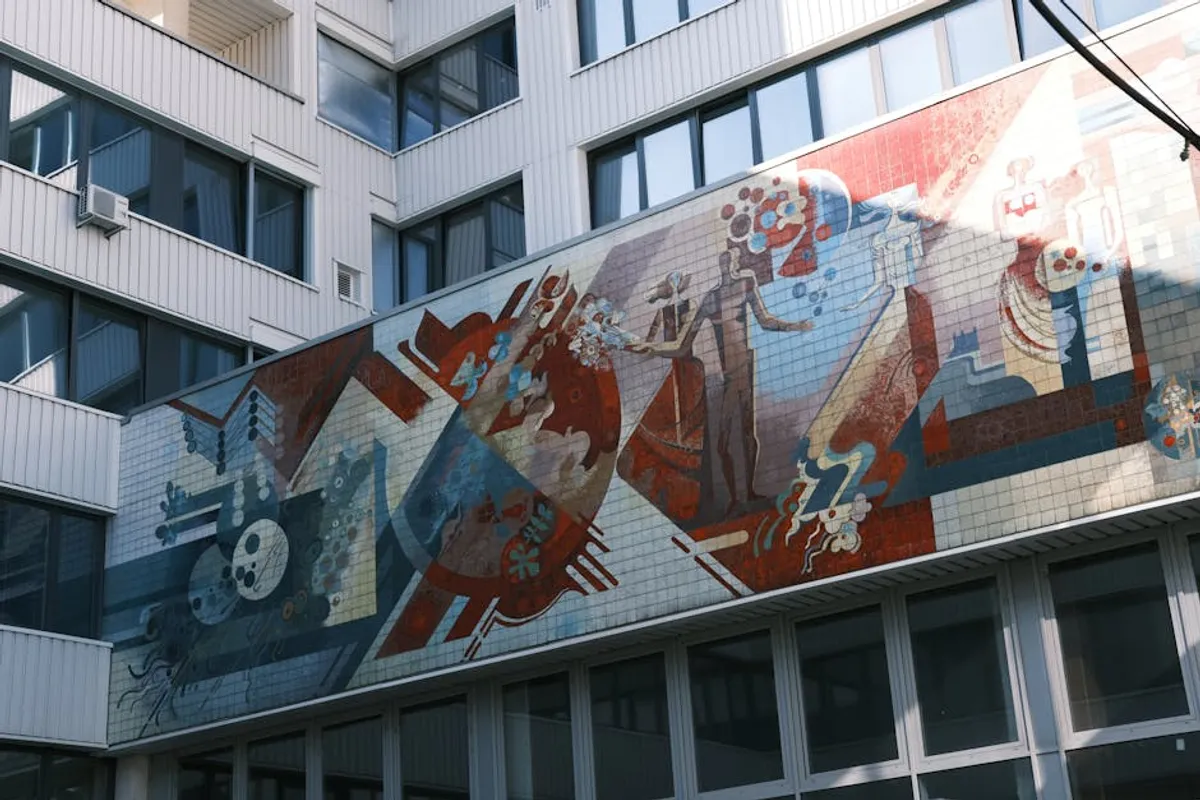
Characterized by clean lines, geometric shapes, and vibrant, often contrasting, color palettes, these murals create a strong visual statement. They can energize a space, provide a sense of movement, or introduce a contemporary aesthetic. This style is particularly effective in urban environments with modern architecture or in areas needing a fresh, dynamic identity. Abstract designs can also be less prescriptive in their interpretation, allowing for broader public appeal.
Hyperrealism and Trompe L'oeil
These techniques create illusions of depth and reality, transforming flat surfaces into three-dimensional scenes or extending existing architectural features. Hyperrealistic murals can depict local flora, fauna, historical figures, or everyday life with incredible detail, offering a window into another world. Trompe l'oeil (French for "deceive the eye") murals are particularly engaging, often becoming popular photo opportunities and sparking delight through their clever visual trickery.
Interactive and Augmented Reality Murals
Pushing the boundaries of traditional art, these murals incorporate technology to engage viewers. Interactive murals might respond to sound or movement, while augmented reality (AR) murals come to life through a smartphone app, overlaying digital animations, information, or sounds onto the physical artwork. This approach offers a novel way to tell stories, provide educational content, or simply create a playful, immersive experience, appealing to tech-savvy audiences and younger demographics.
Eco-Conscious and Biophilic Designs
Responding to growing environmental awareness, these murals integrate natural elements, sustainable materials, or themes of ecological preservation. Biophilic designs aim to connect urban dwellers with nature through depictions of landscapes, plants, and animals, fostering a sense of calm and well-being. Some artists also use air-purifying paints or reclaimed materials, adding an environmental benefit beyond the visual message. These murals align with green initiatives and promote environmental stewardship.
Integrating Murals with Urban Planning
Thoughtful integration ensures murals contribute meaningfully to the broader urban fabric.
Activating Underutilized Spaces
Murals can revitalize neglected areas such as alleyways, underpasses, or blank retaining walls. By introducing color, narrative, and artistic interest, these spaces become more inviting, safer, and functional. An activated space can deter illicit activities, encourage pedestrian traffic, and foster a sense of community ownership, transforming liabilities into assets.
Creating Navigational Landmarks
Large-scale murals can serve as effective wayfinding tools, helping people navigate complex urban environments. A distinctive mural can become a recognizable landmark, simplifying directions and enhancing the legibility of a neighborhood. This is particularly valuable in tourist areas or large commercial districts where visitors may be unfamiliar with the layout.
The Role of Digital Integration
Beyond AR, murals can be digitally integrated through QR codes linking to artist bios, project narratives, or community websites. This extends the mural's reach and provides deeper context, allowing viewers to engage with the art on multiple levels. Digital platforms can also be used for public feedback, voting on themes, or sharing experiences, further embedding the mural within the community's digital and physical life.
Initiating Your Public Mural Project
Embarking on a public mural project requires a structured approach to ensure its success and maximize its impact. Begin by clearly defining the project's objectives: Is it primarily for beautification, community engagement, economic development, or a combination? Establish a realistic budget that accounts for artist fees, materials, site preparation, permits, insurance, and long-term maintenance. Form a diverse project committee including community representatives, local government liaisons, and art professionals to guide the process. Develop a comprehensive request for proposals (RFP) to solicit designs from qualified artists, emphasizing site context, thematic guidelines, and community input requirements. Prioritize clear communication with all stakeholders from conception through installation and ongoing care to foster support and ensure the mural becomes a valued, enduring asset to the public space.
Frequently Asked Questions
How do I choose the right artist for a public mural?
Look for artists with a portfolio of public art experience, a demonstrated ability to work collaboratively, and a clear understanding of the specific site and community context. Consider their technical skills, stylistic alignment with your vision, and their experience with durable outdoor materials.
What is the typical lifespan of a public mural?
The lifespan varies significantly based on material quality, environmental exposure, and maintenance. With high-quality paints, protective coatings, and regular upkeep, a public mural can last anywhere from 10 to 20 years or even longer before requiring significant restoration.
How can a community get involved in a mural project?
Community involvement can range from initial input on themes and designs through surveys and public meetings, to hands-on participation in painting workshops or dedication ceremonies. Providing opportunities for feedback and engagement fosters a sense of ownership.
What are common legal considerations for public murals?
Key legal aspects include obtaining property owner permission, securing necessary permits from local planning departments, understanding zoning ordinances, and establishing clear contractual agreements with the artist regarding copyright, intellectual property, and maintenance responsibilities.