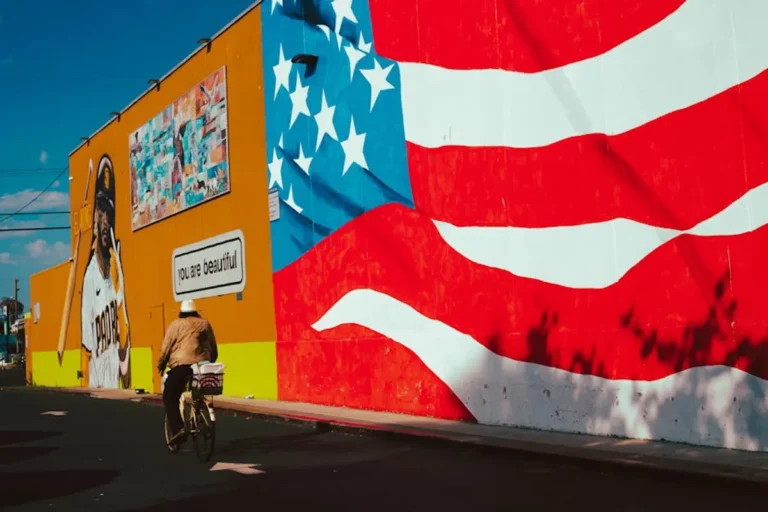

Local culture, expressed through public art, represents a significant, often underutilized, asset for digital marketers, site owners, and SEO professionals. Beyond its aesthetic value, public art provides tangible, geotargetable content opportunities that can enhance local search visibility, drive community engagement, and inform hyper-local content strategies. This isn't about superficial appreciation; it's about recognizing public art as a rich source of unique narratives and visual assets that resonate deeply with local audiences and, consequently, with search engine algorithms looking for authoritative, relevant local signals.
Public Art as a Local SEO Anchor
Integrating public art into a local SEO strategy offers distinct advantages by providing concrete, physical points of interest that anchor digital content to specific geographic locations. This approach moves beyond generic location targeting, leveraging unique cultural touchstones.
Geotagging and Local Search Visibility
Public art installations, whether murals, sculptures, or historical markers, are inherently location-specific. By creating content that accurately geotags these pieces and surrounds them with relevant local keywords, businesses can significantly improve their visibility in local search results. This involves optimizing image metadata with precise latitude/longitude, incorporating neighborhood and city names into article titles and descriptions, and utilizing schema markup (e.g., Place, Event, Artwork) to explicitly inform search engines about the location and nature of the art. For instance, a blog post detailing "The historic murals of [Neighborhood Name]" provides a specific content hook that can rank for highly localized queries.
Enhancing Google Business Profile Listings
Businesses with physical locations can leverage nearby public art to enrich their Google Business Profile (GBP) listings. While not directly adding art *to* the GBP, creating content on a business's website that highlights local art and links back to the GBP can create a halo effect. For example, a restaurant located near a prominent sculpture could publish a "Guide to Public Art Near [Restaurant Name]," driving local interest and implicitly associating the business with the cultural vibrancy of its immediate surroundings. This strategy can indirectly influence local pack rankings by demonstrating local relevance and engagement.
Driving Foot Traffic and Local Discovery
Public art often serves as a destination or a point of interest on a walking tour. Marketers can capitalize on this by developing content that guides visitors through local art installations, providing maps, historical context, and suggested routes. This type of content, optimized for terms like "art walk [city name]" or "murals in [district]," not only attracts tourists and residents but also creates opportunities to highlight nearby businesses. A local retail store, for instance, could sponsor a public art map, ensuring their location is featured as a convenient stop along the route, directly translating digital interest into potential foot traffic.
Content Opportunities in Public Art Narratives
The stories behind public art — the artists, the community involvement, the historical context, and the materials — provide a rich vein for diverse content creation. This narrative depth goes beyond simple descriptions, offering opportunities for engaging, long-form content that captures audience attention.
Storytelling for Audience Engagement
Each piece of public art carries a narrative. Content can delve into the artist's inspiration, the socio-political context of its creation, the challenges faced during installation, or the community's reaction. This translates into compelling blog posts, long-form articles, and even e-books. Interviewing local artists, historians, or community organizers involved in a project adds authenticity and unique perspectives. Such content is rich in long-tail keywords related to art movements, local history, and specific artists, attracting highly engaged readers interested in cultural depth.
Visual Content for Social and Web
Public art is inherently visual, making it ideal for photography, video, and interactive media. High-resolution image galleries, 360-degree virtual tours, and short documentary-style videos can showcase art pieces from multiple angles and provide context. Creating interactive maps that allow users to click on different art installations for more information (photos, artist bios, historical facts) offers an immersive experience. This visual content is highly shareable on social media platforms, driving traffic and increasing brand visibility.
Event-Driven Content and Seasonal Campaigns
Public art is not static. New installations, restoration projects, art festivals, or temporary exhibits create timely content hooks. Marketers can develop content around these events, including announcements, behind-the-scenes glimpses, artist talks, and post-event recaps. Seasonal campaigns, such as "Fall Foliage and Public Art Walks" or "Holiday Lights and Sculptures," provide fresh angles to revisit existing art while aligning with seasonal search trends and local activities.
Community Engagement and Brand Building
Aligning with public art initiatives offers a powerful way to foster local connections and build brand reputation, moving beyond transactional relationships to genuine community involvement.
Fostering Local Connections
Businesses that actively support or feature local public art demonstrate a commitment to the community's cultural fabric. This can involve sponsoring a local mural project, hosting an artist's reception, or simply consistently promoting local art on their platforms. This engagement builds goodwill, strengthens local ties, and positions the business as a community-minded entity, which can translate into customer loyalty and positive word-of-mouth.
User-Generated Content (UGC) Potential
Public art is a natural magnet for user-generated content. People often photograph themselves with murals or sculptures and share these images on social media. Marketers can encourage this by creating specific hashtags, running photo contests, or featuring UGC on their own platforms. This not only provides authentic, diverse content but also extends reach through organic shares and endorsements, amplifying the message without direct advertising spend.
Collaborative Marketing Initiatives
Public art projects often involve multiple stakeholders: artists, community groups, local government, and businesses. This creates opportunities for collaborative marketing campaigns. Partnering with local tourism boards, cultural organizations, or even other businesses to promote a public art trail or festival can pool resources, expand audience reach, and create more comprehensive and impactful campaigns that benefit all parties involved.
Pro Tip: When integrating public art into marketing, prioritize authentic appreciation and community benefit over overt commercialization. Genuine engagement fosters trust and provides more sustainable SEO value than purely transactional approaches. Focus on sharing the story, not just selling through it.
Data Insights from Public Art Interest
Analyzing search and social data related to public art can yield valuable insights into local cultural interests and inform broader content strategies. This moves beyond anecdotal evidence to data-driven decision-making.
Identifying Local Cultural Trends
Monitoring search queries, social media mentions, and local news around specific public art pieces or artists can reveal emerging cultural trends within a community. For example, a sudden surge in interest for "eco-art installations [city name]" might indicate a growing local concern for sustainability, providing a cue for businesses to create content or offer products/services aligned with that interest.
Informing Hyperlocal Content Strategies
Public art can serve as a lens through which to understand the unique characteristics and interests of different neighborhoods or districts. By mapping public art and analyzing engagement patterns around it, marketers can discern what resonates with specific micro-local audiences. This allows for the creation of highly targeted content that speaks directly to the cultural nuances of a particular area, improving relevance and engagement for hyperlocal campaigns.
Actionable Steps for Leveraging Public Art
For marketers and site owners looking to tap into the commercial potential of local culture through public art, a structured approach yields the best results:
- Conduct a Local Art Audit: Identify all significant public art installations, murals, sculptures, and historical markers within your target geographic area. Document their locations, artists, and historical context.
- Develop a Content Calendar: Plan articles, videos, and social media posts around specific art pieces, artist anniversaries, new installations, or seasonal themes.
- Optimize for Local Search: Ensure all content related to public art is rich in geo-specific keywords (neighborhoods, districts, city names) and utilizes relevant schema markup.
- Create Interactive Resources: Develop online maps, walking tour guides, or virtual galleries that showcase local art, making it easy for users to explore.
- Engage with Local Artists and Organizations: Collaborate on content, events, or promotional activities to build authentic connections and expand reach.
- Encourage User-Generated Content: Promote specific hashtags and run contests to incentivize visitors to share their experiences with local public art.
- Measure and Analyze: Track website traffic, local search rankings, social media engagement, and any direct conversions linked to public art content to refine your strategy.
Frequently Asked Questions
How does public art influence local search rankings?
Public art indirectly influences local search rankings by providing unique, geotargetable content opportunities. Content optimized with local keywords, rich in visual assets, and supported by schema markup can improve local relevance signals, attract inbound links, and drive engagement, all of which contribute to better local search visibility.
What types of content can be created around public art?
A wide range of content can be created, including blog posts detailing art history or artist interviews, photo galleries and video tours, interactive maps for self-guided art walks, event listings for new installations or festivals, and social media campaigns encouraging user-generated content.
Can small businesses use public art for marketing?
Yes, small businesses can effectively use public art for marketing by creating content that highlights nearby installations, sponsoring local art projects, hosting art-related events, or simply featuring local art in their marketing materials. This builds community connection and attracts local customers.
How can the impact of public art content be measured?
Impact can be measured through various metrics, including website traffic to art-related pages, improvements in local search rankings for relevant keywords, social media engagement (likes, shares, comments on art posts), the volume of user-generated content, and, for physical businesses, an increase in foot traffic or local inquiries.