Organizing a small art exhibition from the ground up requires careful planning and a clear understanding of objectives. This isn't just about hanging art on a wall; it's about creating an experience, connecting artists with an audience, and often, facilitating sales. A well-executed exhibition can elevate an artist's profile, test market interest in new work, and generate direct revenue. The process demands a structured approach, starting with conceptualization and extending through post-event follow-up, to ensure both artistic integrity and commercial viability.
Defining Your Vision and Objectives
Before any physical steps are taken, establish the core purpose of your exhibition. This foundational clarity guides every subsequent decision, from artist selection to marketing strategy.
Clarifying Purpose and Audience
Determine what you aim to achieve. Is the exhibition primarily for showcasing emerging talent, selling specific pieces, raising awareness for a cause, or building a community around a particular theme? Your purpose dictates the type of art, the artists, and the overall atmosphere. Simultaneously, identify your target audience. Are you aiming for seasoned collectors, first-time buyers, local community members, or art students? Understanding who you want to attract informs your venue choice, pricing strategy, and promotional efforts.
Example objectives:
- Generate 10 art sales within a specific price range.
- Attract 100 unique visitors over a weekend.
- Secure media coverage in three local publications.
- Introduce three new artists to the local art market.
Setting a Budget
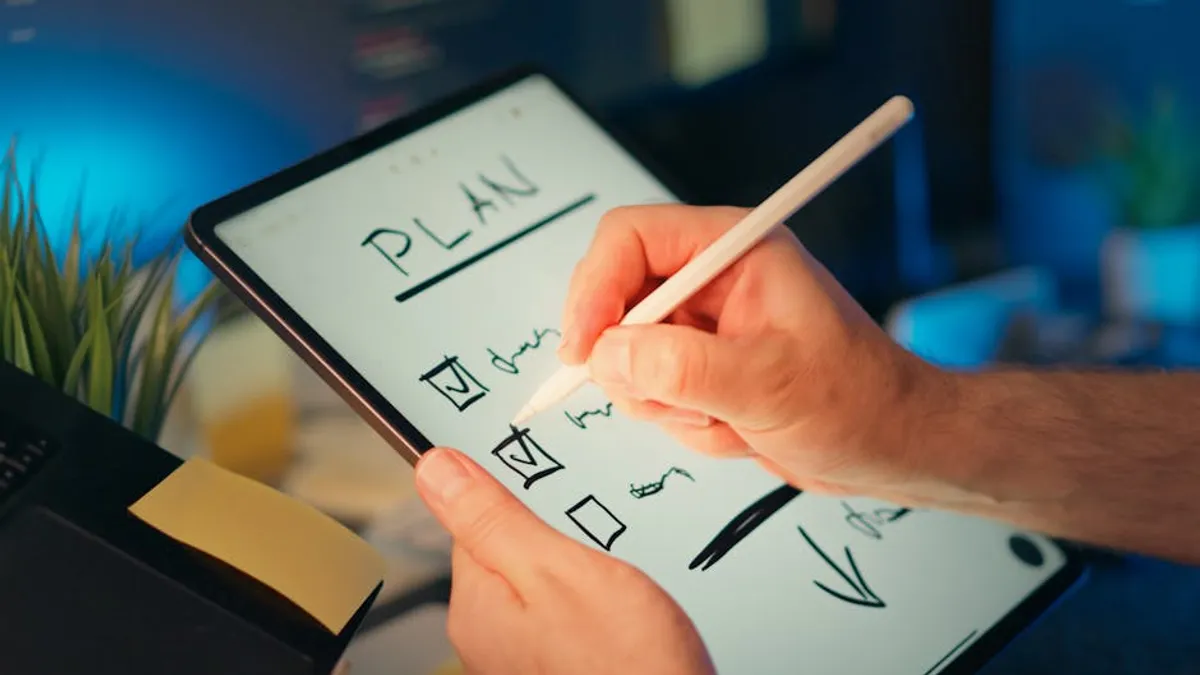
A detailed budget is critical for financial control. Small exhibitions can still incur significant costs. Itemize every potential expense, from venue rental and insurance to marketing materials and refreshments. Estimate high initially, then refine. Consider potential revenue streams, such as art sales (including commission structures), ticket sales, or sponsorships, to offset costs. A realistic budget prevents unexpected financial strain and allows for resource allocation where it matters most.
Key budget line items:
- Venue rental fees (daily/weekly rates)
- Insurance (artwork, public liability)
- Marketing and promotion (printing, digital ads, press kits)
- Framing, display materials, pedestals
- Transportation and installation of artwork
- Lighting and specialized equipment
- Opening reception costs (catering, beverages, staffing)
- Artist fees or stipends (if applicable)
- Sales processing fees (card readers, online platforms)
- Contingency fund (10-15% of total budget)
Securing the Venue and Dates
The physical space and timing profoundly influence an exhibition's success and accessibility.
Venue Selection Criteria
The venue must align with your exhibition's theme, budget, and audience. Evaluate spaces based on foot traffic, accessibility (public transport, parking), natural and artificial lighting, wall space and hanging systems, security, and available amenities (restrooms, storage). Consider non-traditional spaces like cafes, vacant storefronts, or community centers for cost-effectiveness, but ensure they meet basic requirements for presenting art professionally. Confirm the venue’s availability for installation, exhibition duration, and de-installation.
Timing and Logistics
Select dates that maximize attendance. Avoid major holidays, competing local events, or periods when your target audience is less available. Weekends or evenings often yield higher visitor numbers for opening receptions. Factor in sufficient time for setup and breakdown. A typical small exhibition might run for a weekend or a week, with an opening reception on the first evening to generate initial buzz and sales.
Curating the Artwork and Artists
The art itself is the centerpiece, requiring careful selection and management.
Artist Outreach and Selection
Identify artists whose work fits your exhibition's theme and quality standards. This can involve open calls, direct invitations based on portfolio reviews, or recommendations. Clearly communicate the exhibition concept, timeline, responsibilities (e.g., framing, delivery), and any commission structure or fees. Obtain high-resolution images of selected artworks for promotional materials.
Artwork Handling and Insurance
Establish clear protocols for artwork delivery, installation, and return. Document the condition of each piece upon arrival and departure. Secure adequate insurance coverage for the artworks from the moment they enter the venue until they are returned to the artists or buyers. This protects against damage, theft, or loss during the exhibition period.
Marketing and Promotion
Effective promotion is essential for attracting visitors and generating interest.
Crafting Your Message
Develop a compelling narrative for your exhibition. What makes it unique? What story does the art tell? Create a concise press release highlighting the theme, featured artists, dates, venue, and any special events (e.g., artist talks). Design visually appealing invitations, posters, and digital banners that reflect the exhibition's aesthetic.
Outreach Channels
Distribute your promotional materials strategically to reach your target audience.
- Local Media: Submit press releases to local newspapers, art blogs, community event listings, and radio stations.
- Social Media: Create event pages on platforms like Facebook and Instagram. Post engaging content, artist spotlights, and behind-the-scenes glimpses. Use relevant hashtags.
- Email Marketing: Build an email list and send out invitations, reminders, and post-event follow-ups.
- Community Partnerships: Collaborate with local businesses, art organizations, or cultural institutions to cross-promote.
- Physical Distribution: Place posters and flyers in cafes, galleries, community centers, and art supply stores.
Pro Tip: Begin your promotional efforts at least 4-6 weeks before the opening date. Early promotion allows time for media outlets to pick up your story, for potential attendees to mark their calendars, and for word-of-mouth to build momentum. A staggered release of information, starting with a save-the-date and progressing to detailed artist features, maintains interest.
Installation and Presentation
The physical arrangement and display significantly impact how art is perceived.
Layout and Flow
Plan the layout to create a logical flow for visitors. Consider sightlines, how pieces relate to one another, and where focal points should be. Avoid overcrowding walls; give each artwork room to breathe. Use pedestals for sculptures or smaller objects to vary height and interest.
Lighting and Labeling
Proper lighting enhances the artwork and prevents glare. Utilize existing natural light where possible, supplemented by track lighting or spotlights to illuminate individual pieces. Each artwork requires a clear, readable label including the artist's name, title of the work, medium, dimensions, and price. Consider including a short artist statement or curatorial text to provide context.
Event Management and Sales
Ensure a smooth experience for visitors and efficient handling of transactions.
Opening Night Logistics
Plan for adequate staffing to greet guests, answer questions, and manage sales. Have a clear system for checking in attendees if it's an invite-only event. Ensure refreshments are easily accessible and replenished. Designate someone to take photographs for post-event promotion.
Sales and Transaction Process
Have a straightforward system for processing art sales. This includes clear pricing, payment options (cash, credit card readers, online invoices), and a method for marking sold pieces (e.g., a small red dot). Provide receipts and clear instructions for artwork collection post-exhibition. Confirm commission agreements with artists beforehand and ensure prompt payment.
Post-Exhibition Follow-Up and Analysis
The work doesn't end when the doors close. Post-exhibition activities are crucial for future success.
Send thank-you notes to artists, volunteers, sponsors, and attendees. Share exhibition photos and media coverage on social media and through your email list. Analyze attendance numbers, sales data, and visitor feedback to identify successes and areas for improvement. This data provides valuable insights for planning subsequent exhibitions, refining your approach, and strengthening relationships within the art community.
Frequently Asked Questions
How long does it typically take to plan a small art exhibition?
Planning can range from 2-3 months for a very small, informal show to 6-12 months for more structured events involving multiple artists and a formal venue. The timeline depends heavily on the scale, number of artists, and your personal experience.
What is a realistic minimum budget for a small exhibition?
A bare-bones exhibition in a free or low-cost community space could start from a few hundred dollars for basic marketing and refreshments. A more professional setup with a rented venue, insurance, and proper marketing might require $2,000-$5,000 or more, especially if you're covering transportation or installation costs.
Do I need insurance for a small art exhibition?
Yes, insurance is highly recommended. It protects against potential damage, theft, or loss of artworks, as well as public liability claims if a visitor is injured at your event. Many venues require specific insurance coverage.
How do I find artists for my exhibition?
You can find artists through local art schools, artist collectives, social media art groups, art fairs, or by issuing an open call for submissions. Networking within your local art community is also an effective way to discover talent.