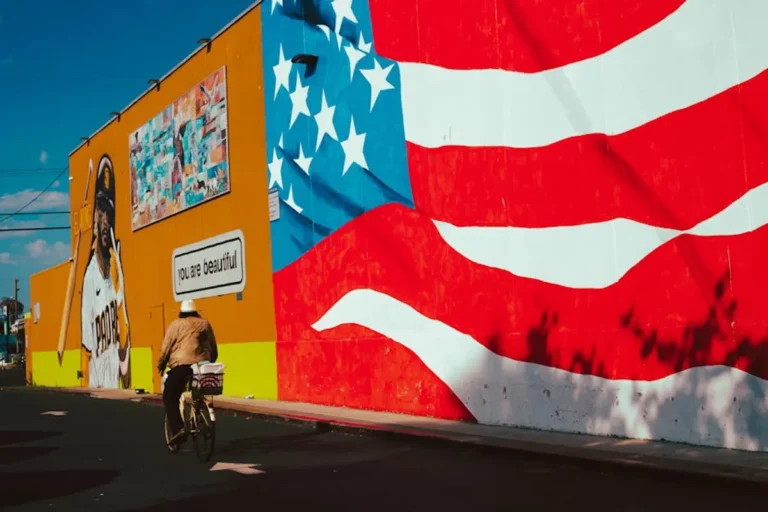

Temporary art, by its nature, exists for a finite period. Whether it is a street mural destined for whitewashing, an ice sculpture melting under the sun, or a performance piece enacted once, its impermanence makes meticulous documentation not just important, but essential. The decision to document temporary art hinges on preserving its intrinsic value, capturing its ephemeral presence, and ensuring its narrative persists beyond its physical existence. This process serves artists seeking to build a portfolio, institutions aiming to archive cultural history, and researchers studying artistic movements. Effective documentation transforms a fleeting experience into a lasting record, providing critical context and visual evidence for future reference, analysis, and appreciation.
Planning Your Documentation Strategy
Before any art piece is created or installed, a comprehensive documentation plan is crucial. This proactive approach ensures all necessary resources are allocated and permissions secured. Begin by understanding the artwork's scope, duration, and specific characteristics. An ephemeral installation in a public space will require different considerations than a single-day performance in a private gallery.
- Define Objectives: Determine what aspects of the artwork are most critical to capture. Is it the artist's process, audience interaction, environmental impact, or the final form? Clear objectives guide equipment choices and capture methods.
- Secure Permissions: Obtain explicit consent from the artist, property owners, and any involved participants for photography, videography, and interviews. This prevents legal complications and ensures ethical documentation practices.
- Budget Allocation: Factor in costs for professional equipment, skilled personnel (photographers, videographers, sound engineers), data storage, and potential travel. Underestimating these can compromise documentation quality.
- Timeline Integration: Align documentation activities with the artwork's creation, installation, exhibition, and de-installation phases. Early stages might require time-lapse photography; public phases might focus on audience reactions.
- Risk Assessment: Identify potential challenges such as adverse weather conditions, lighting issues, public interference, or equipment failure. Develop contingency plans to mitigate these risks.
Capturing Visual Records
Visual documentation forms the core of preserving temporary art. High-quality photography and videography provide the most direct evidence of the artwork's appearance, scale, and context.
Photography
Photography should capture the artwork from multiple perspectives and at various stages. Use a full-frame or APS-C camera with interchangeable lenses for versatility. Shoot in RAW format to retain maximum image data for post-processing. Calibrate your monitor for accurate color representation.
Key considerations:
- Lighting: Utilize natural light whenever possible, but be prepared with portable lighting kits for indoor or low-light conditions. Avoid harsh shadows or overexposure. Consistent white balance settings are essential across all images.
- Composition: Frame shots to include the artwork's surroundings, conveying its scale and interaction with the environment. Capture close-ups of texture, detail, and material. Include a scale reference if the artwork is particularly large or small.
- Sequence and Progression: Document the artwork's evolution from conception to de-installation. This includes process shots, installation views, public interaction, and eventual decay or removal. A series of images over time tells a more complete story.
- Metadata: Embed descriptive metadata into each image file (artist, title, date, location, photographer, description). This makes images searchable and provides crucial context without needing external files.
Videography
Video offers dynamic insight into temporary art, particularly for performance pieces or installations with moving elements. Use a camera capable of recording high-definition footage (1080p or 4K) with stable frame rates (24fps or 30fps). Employ tripods or gimbals for steady shots.
Key considerations:
- Audio Capture: For performance art or interviews, high-quality external microphones are non-negotiable. Lavaliere mics for speakers and shotgun mics for ambient sound ensure clear audio.
- Multiple Angles: Record from various viewpoints to provide a comprehensive visual narrative. For performances, consider wide shots to show overall composition and close-ups to capture detail and emotion.
- Time-Lapse: For installations or public art that changes slowly, time-lapse video effectively condenses long periods into short, impactful sequences, illustrating creation or decay.
- Interviews: Capture artist statements, curator insights, and audience reactions. These provide invaluable qualitative data, offering perspectives beyond the visual record. Ensure interviewees are well-lit and audio is clear.
Pro Tip: Always back up your visual files immediately after capture. Use a "3-2-1" backup strategy: three copies of your data, on two different types of media, with one copy offsite. This protects against equipment failure, accidental deletion, or disaster.
Recording Contextual Information
Beyond visual records, textual and audio documentation provide the narrative and interpretive layers essential for understanding temporary art. This includes the artist's intent, the audience's experience, and the environmental factors influencing the work.
Artist Statements and Interviews
Direct communication with the artist is paramount. Record formal interviews discussing the concept, materials, process, and intended impact of the work. Ask open-ended questions that encourage detailed responses. Obtain written artist statements that articulate their vision and rationale.
Audience Interaction and Reception
Document how the public engages with the art. This can involve video recordings of interactions, audio recordings of conversations, or written surveys. Capture diverse perspectives to reflect the artwork's broader cultural impact. Ethical considerations regarding privacy and consent are critical here.
Environmental and Site-Specific Factors
Temporary art often responds to its environment. Document the site conditions, weather patterns, time of day, and any external factors that influence the artwork's appearance or lifespan. For outdoor pieces, this might include daily light changes or the effects of precipitation.
Organizing and Archiving Your Data
Effective organization ensures that documentation remains accessible and useful over time. A robust archiving system is not an afterthought but an integral part of the documentation process.
File Naming Conventions: Implement a consistent, descriptive file naming system (e.g., "ArtistName_ArtworkTitle_YYYYMMDD_Location_FileType_SequenceNumber.ext"). This makes files easily identifiable without opening them.
Folder Structure: Create a logical folder hierarchy. A common structure might be: Project Name > Artwork Title > Phase (e.g., Installation, Exhibition, De-installation) > Media Type (Photos, Video, Audio, Text).
Metadata Management: Beyond embedded image metadata, maintain a central database or spreadsheet that links all documentation assets to key information: artist, title, date, location, materials, dimensions, descriptive tags, and rights information. This is crucial for long-term searchability and retrieval.
Storage Solutions: Utilize a combination of local and cloud-based storage. High-capacity external hard drives offer quick access, while cloud services (with version control) provide offsite backup and collaborative access. Ensure storage media are stable and future-proof.
Preservation Formats: Store files in widely accepted, non-proprietary formats (e.g., TIFF for images, WAV for audio, MOV/MP4 for video, PDF/TXT for text). This minimizes the risk of format obsolescence.
Disseminating Documentation
The value of documentation is realized when it is shared. Strategic dissemination ensures the artwork's legacy reaches appropriate audiences.
Online Portfolios and Websites: Artists can host high-resolution images and videos on their personal websites or online portfolios, showcasing their work to gallerists, curators, and the public.
Digital Archives and Databases: Cultural institutions and academic bodies often maintain digital archives. Contributing documentation to these platforms ensures wider accessibility for researchers and historians.
Publications and Media: High-quality documentation can be used in exhibition catalogs, art journals, academic papers, and online media outlets, extending the artwork's reach and scholarly impact.
Educational Resources: Documentation can be repurposed for educational purposes, creating teaching materials, lectures, or interactive experiences that explore the themes and processes of temporary art.
Sustaining the Legacy of Ephemeral Art
Thorough documentation of temporary art transcends mere record-keeping; it is an act of preservation that maintains the integrity and narrative of fleeting creations. By meticulously planning, capturing, organizing, and disseminating visual and contextual information, artists, institutions, and cultural heritage organizations ensure that the impact and essence of temporary artworks resonate long after their physical disappearance. This commitment to detailed archiving not only enriches historical records but also provides invaluable resources for future artistic inspiration, critical analysis, and cultural discourse.
Frequently Asked Questions
What equipment is essential for documenting temporary art?
Essential equipment includes a high-resolution digital camera (DSLR or mirrorless) with versatile lenses, a sturdy tripod, external microphones for audio, sufficient storage (memory cards, external hard drives), and a reliable computer for post-processing and organization. For time-lapse, an intervalometer is also crucial.
How much documentation is considered "enough" for a temporary artwork?
The extent of documentation depends on the artwork's complexity and objectives. Generally, "enough" means capturing sufficient visual and contextual information to fully understand the artwork's concept, process, appearance, and impact. This often involves multiple angles, stages of creation/decay, and qualitative data like artist statements and audience reactions. Prioritize quality and relevance over sheer quantity.
What are the legal considerations when documenting public temporary art?
Legal considerations include obtaining explicit permission from the artist for documentation and usage rights. For public art, property owner consent may be needed, especially if documentation involves extensive setup or disruption. When photographing or filming individuals, ensure compliance with privacy laws and obtain consent forms, particularly if their likeness will be published. Always respect copyright and intellectual property.
How can digital-only temporary art, like projection mapping or virtual reality installations, be documented?
Documenting digital-only temporary art requires screen recording, direct digital capture of source files, and video recordings of the installation environment to show audience interaction. For VR, 360-degree video capture or specialized VR recording tools are necessary. Comprehensive technical specifications, code, and user experience narratives are also vital to preserve the work's technical and experiential aspects.