For urban centers and regional destinations seeking to enhance visitor appeal and drive economic growth, street art represents a tangible, high-impact asset. Far from being merely decorative, strategically integrated street art initiatives can transform overlooked urban spaces into vibrant cultural hubs, attracting diverse tourist demographics and generating measurable commercial benefits. This approach moves beyond traditional tourism models, leveraging public art to create unique local identities, stimulate social engagement, and directly support local economies.
Street Art as a Destination Driver
Street art functions as a powerful magnet for tourism by fundamentally altering the perception and experience of a location. Its accessibility and visual impact make it an immediate draw, providing compelling reasons for visitors to explore specific neighborhoods and spend more time engaging with local offerings.
Creating Unique Visual Identities
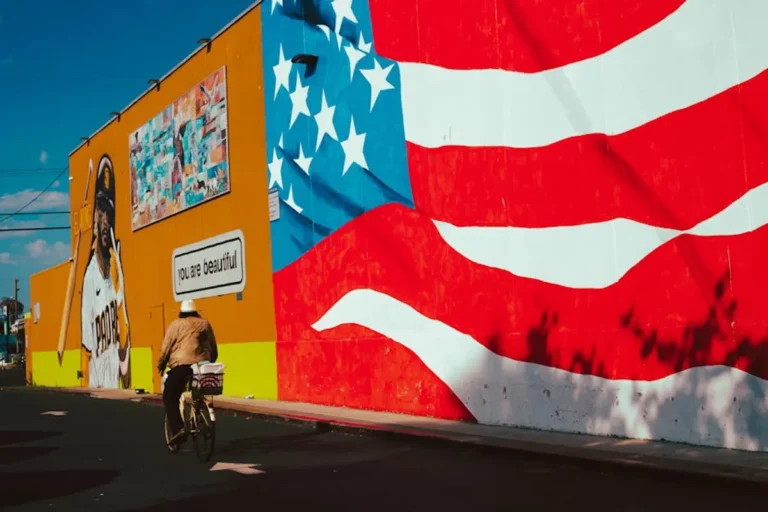
Large-scale murals and public art installations imbue cities with distinctive visual branding that cannot be replicated. Unlike generic attractions, a city's street art collection offers a unique selling proposition, differentiating it from competing destinations. This visual identity can be consistently leveraged in tourism marketing campaigns, from digital advertisements to print brochures, providing a strong, memorable aesthetic that resonates with potential visitors. For instance, cities known for their vibrant mural districts often become synonymous with creativity and cultural innovation, attracting travelers specifically seeking authentic artistic experiences.
Enhancing Walkability and Urban Exploration
Street art naturally encourages pedestrian traffic by creating compelling visual pathways. Visitors are motivated to walk through neighborhoods, often those previously considered less desirable or overlooked, in search of new pieces. This increased walkability extends visitor dwell time, exposing them to a wider array of local businesses, including cafes, independent shops, and galleries, that they might otherwise bypass. The art acts as a series of navigational markers and points of interest, transforming a simple stroll into a curated exploration.
Generating Social Media Engagement
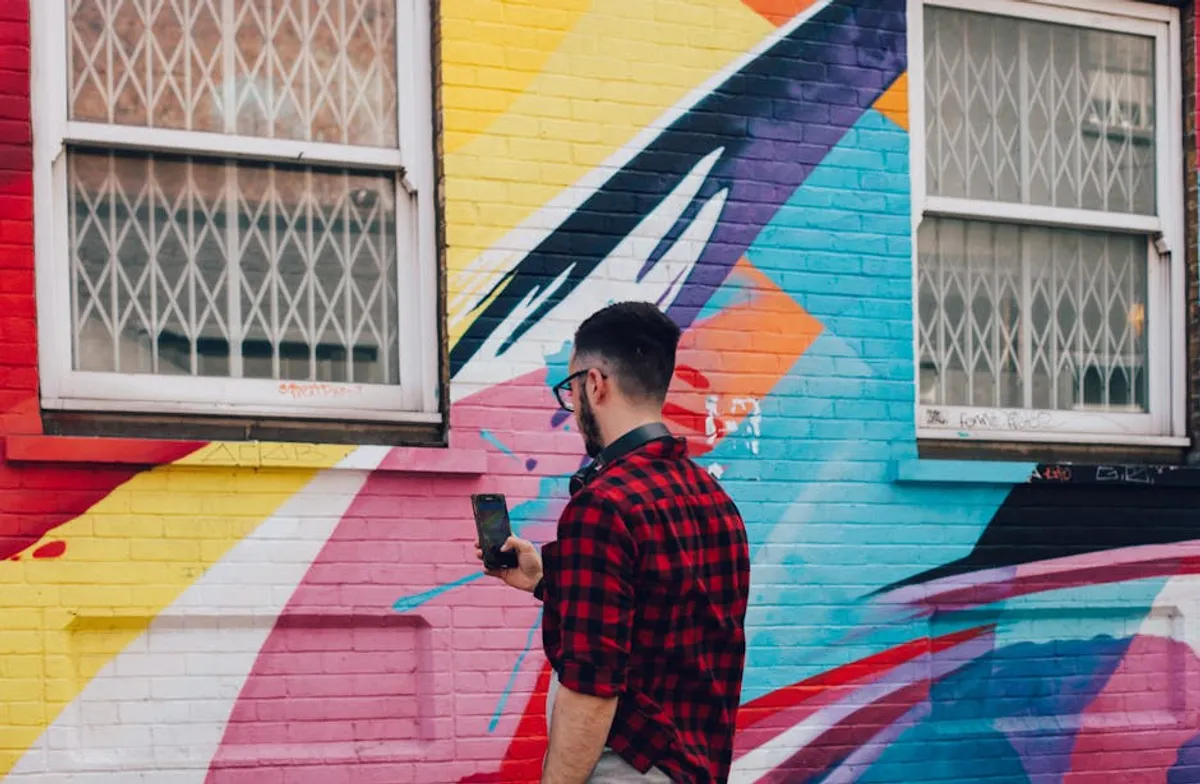
The highly visual nature of street art makes it inherently shareable content across social media platforms. Murals, installations, and graffiti pieces serve as popular backdrops for photographs and videos, leading to a significant volume of user-generated content (UGC). This organic promotion extends the reach of a destination's marketing efforts without direct cost, tapping into the networks of individual travelers. Hashtags associated with specific art pieces or urban art districts can trend, amplifying visibility and inspiring others to visit and create their own shareable moments.
Economic Impact and Community Benefits
The tourism generated by street art extends beyond mere visitation, translating into direct economic advantages for local businesses and broader community development.
Attracting Diverse Tourist Demographics
Street art appeals to a broad spectrum of travelers, from art enthusiasts and cultural tourists to younger demographics seeking unique, Instagrammable experiences. This diversity in visitor profiles can help destinations mitigate reliance on a single type of tourism, creating a more resilient and varied visitor economy. It also attracts visitors who might not typically engage with traditional museums or galleries, broadening the cultural reach and accessibility of art.
Supporting Local Businesses
Increased foot traffic in street art-rich areas directly correlates with higher patronage for nearby businesses. Cafes, restaurants, boutiques, and souvenir shops experience an uptick in sales as visitors explore, dine, and shop. Furthermore, local artists and art supply stores benefit from commissions and increased demand for materials. This localized economic injection supports job creation and strengthens the commercial fabric of neighborhoods.
Fostering Cultural Exchange
Street art often reflects local narratives, histories, and social commentary, offering visitors an authentic insight into a community's identity and values. This fosters a deeper cultural exchange, allowing tourists to connect with the destination on a more meaningful level than superficial sightseeing. Art tours led by local guides can further enrich this experience, providing context and personal stories that enhance visitor engagement and appreciation.
Strategic Integration for Tourism Boards and Local Authorities
Effective leveraging of street art requires a deliberate strategy that integrates artistic development with tourism promotion.
- Curated Trails and Guided Tours: Develop self-guided maps or professionally led tours highlighting key art pieces, artists, and their stories. These structured experiences provide visitors with a clear itinerary and deeper understanding.
- Event-Based Promotion: Host street art festivals, live painting events, or mural competitions. These events generate media attention, attract artists and visitors, and create new art, ensuring a dynamic and evolving attraction.
- Digital Mapping and Storytelling: Create interactive online maps and digital platforms that provide details about each artwork, artist biographies, and the cultural context. This enhances the visitor experience before, during, and after their trip.
- Artist Residency Programs: Invite national and international artists to create new works, fostering artistic exchange and ensuring a continuous refresh of the art landscape, keeping the destination relevant and exciting.
Pro Tip: When planning street art initiatives, prioritize authentic community engagement. Involve local artists, residents, and businesses in the conceptualization and execution phases to ensure the art reflects the community's spirit and garners sustained local support. Lack of local buy-in can lead to art that feels imposed rather than organic, diminishing its long-term appeal and impact.
Measuring the Impact of Street Art Initiatives
Quantifying the success of street art tourism requires specific metrics beyond anecdotal observations:
- Foot Traffic Data: Utilize pedestrian counters or mobile data analytics in art-dense areas to track visitor numbers and dwell times, comparing them to pre-initiative benchmarks.
- Social Media Analytics: Monitor hashtag usage, engagement rates, and reach for content related to the street art. Track mentions, shares, and follower growth for official tourism accounts.
- Local Business Revenue: Collect sales data from businesses located within or adjacent to street art districts, looking for increases correlated with art installations or events.
- Media Mentions and PR Value: Track news articles, blog posts, and online publications that feature the destination's street art, assessing the volume and sentiment of coverage.
- Visitor Surveys: Implement surveys to gauge visitor satisfaction, their primary motivation for visiting, and their spending habits, specifically asking about the influence of street art.
Practical Implementation for Tourism Growth
For tourism boards, city councils, and local business alliances, integrating street art into a broader tourism strategy involves several actionable steps. Begin by identifying underutilized public spaces or neighborhoods with existing artistic potential. Establish clear guidelines for artists, balancing creative freedom with community standards and maintenance considerations. Secure funding through public grants, private sponsorships, or dedicated tourism budgets. Crucially, develop a robust marketing plan that highlights the street art as a core attraction, utilizing high-quality photography and compelling narratives. Collaborate with local businesses to offer art-themed promotions or discounts, creating a symbiotic relationship that benefits both the artists and the commercial ecosystem. Regular maintenance and periodic refreshment of the art are also critical to ensure long-term appeal and prevent degradation.
Frequently Asked Questions
How does street art specifically increase tourist spending?
Street art increases tourist spending by extending visitor dwell time in specific areas, leading to more patronage of nearby cafes, restaurants, and shops. It also creates unique photo opportunities that drive social media sharing, attracting more visitors who then engage with the local economy.
What are the common challenges in developing a street art tourism program?
Challenges include securing funding, managing public perception, addressing potential vandalism, coordinating with property owners, and ensuring the art remains fresh and engaging over time. Community buy-in and maintenance planning are crucial for sustained success.
Can street art attract international tourists, or is it primarily a local draw?
Street art can attract both local and international tourists. Iconic or widely recognized street art scenes often gain international acclaim, drawing visitors specifically to experience these unique cultural offerings, similar to how other major cultural attractions operate.
How can local businesses best capitalize on nearby street art?
Businesses can capitalize by offering themed products or services, displaying art-inspired decor, collaborating with local artists, providing discounts to visitors on art tours, and actively promoting the street art in their own marketing efforts to draw in foot traffic.