Public art installations represent a strategic investment for urban planners, developers, and city stakeholders aiming to elevate mundane urban areas into memorable destinations. The transformation from an ordinary street to a recognized landmark is not merely aesthetic; it is a calculated act of place-making that generates tangible economic and social returns. Understanding how public art achieves this involves analyzing its capacity to forge unique identities, attract diverse audiences, and stimulate local economies, moving beyond simple beautification to become a critical component of urban development. When considering urban revitalization, it's also worth exploring diverse public art installations that have transformed other cities.
Public Art as a Place-Making Catalyst
The primary function of public art in creating landmarks is its ability to imbue a location with a distinct identity that resonates with both residents and visitors. An otherwise unremarkable street corner can become a focal point, a meeting place, or a photographic backdrop simply by hosting a compelling art piece. This shift from generic space to distinctive destination is crucial for urban branding.
- From Generic Space to Distinctive Destination: Public art provides a unique visual anchor that differentiates one urban area from another. Unlike generic street furniture or landscaping, a well-conceived sculpture or mural offers a narrative, a talking point, and a symbol. This uniqueness is what allows a location to transcend its functional purpose and acquire landmark status. For instance, the "Cloud Gate" sculpture in Chicago's Millennium Park transformed a section of the city into a global icon, drawing millions and defining the park's identity.
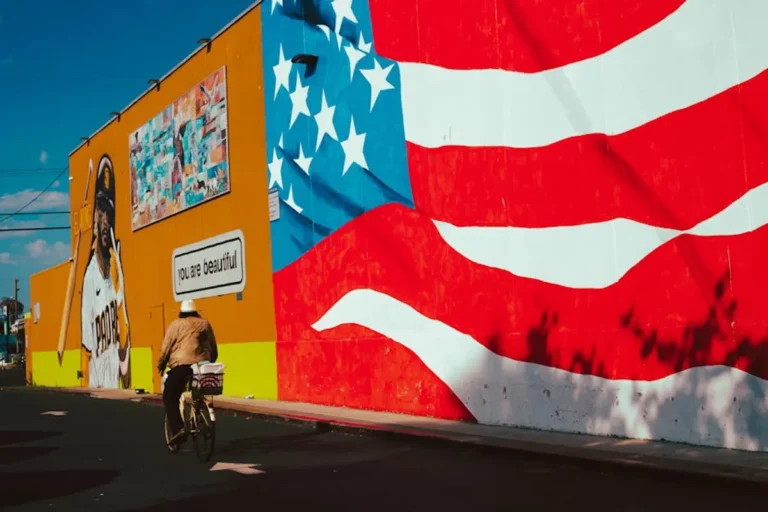
- Branding Urban Environments: Cities and neighborhoods leverage public art to articulate their character and aspirations. A district known for its vibrant murals signals a creative, dynamic community, while monumental sculptures might convey a sense of gravitas or historical significance. This branding attracts specific demographics, from tourists seeking cultural experiences to businesses looking for a distinctive address, directly influencing foot traffic and commercial activity.
Driving Economic Vibrancy Through Art Installations
The landmark effect of public art translates directly into economic benefits, making it a powerful tool for urban revitalization and sustained growth.
Boosting Foot Traffic and Local Commerce: Public art acts as a magnet, drawing people to areas they might otherwise bypass. Increased foot traffic directly benefits local businesses, including cafes, restaurants, galleries, and retail shops, by expanding their customer base. Data from various urban revitalization projects consistently shows a correlation between public art installations and a measurable uplift in local commercial transactions.
Enhancing Property Values and Investment: Areas distinguished by significant public art often experience an appreciation in property values. This is due to the enhanced desirability of living or working in a culturally rich and visually appealing environment. Developers recognize this value and frequently incorporate public art into new projects to attract tenants and buyers, signaling a commitment to quality of life and community engagement. This, in turn, attracts further investment, creating a positive feedback loop for urban development.
Strategic Curation: Maximizing Commercial and Cultural Impact
The success of public art in creating landmarks is not accidental; it relies on thoughtful planning, curation, and execution.
Site-Specific Relevance and Artistic Intent: The most impactful public art is often site-specific, meaning it responds to the history, architecture, or social context of its location. Art that feels integrated and meaningful to its surroundings is more likely to be embraced by the community and achieve landmark status. This requires a deep understanding of both artistic vision and urban planning objectives.
Funding Models and Stakeholder Collaboration: Successful public art projects frequently involve diverse funding models, including public grants, private philanthropy, corporate sponsorships, and developer contributions. Collaboration between city governments, artists, community groups, and private entities ensures that projects are well-resourced, reflect community values, and align with broader urban development goals. This multi-stakeholder approach builds consensus and ensures long-term support.
Pro Tip: When commissioning public art for commercial impact, prioritize pieces that offer interactive elements or unique photo opportunities. These features significantly increase social media engagement, extending the art's reach and amplifying its landmark status organically through user-generated content and digital sharing.
Measuring the Tangible Returns of Public Art
Evaluating the success of public art projects moves beyond subjective appreciation to include quantifiable metrics.
Quantifying Social and Economic Impact: Metrics include increases in pedestrian counts, retail sales data from surrounding businesses, property value assessments, social media mentions and geographic tags, and media coverage. Surveys can gauge public perception, visitor satisfaction, and the sense of community pride. Longitudinal studies are essential to track sustained impact and inform future art initiatives.
Long-Term Value: Maintenance, Preservation, and Community Integration
A landmark's status is sustained through diligent upkeep and ongoing community connection. Public art requires regular maintenance, conservation efforts, and sometimes restoration, to ensure its longevity and continued appeal. Engaging the community in the care and interpretation of the art fosters a sense of ownership and pride, ensuring the piece remains a cherished part of the urban fabric rather than falling into disrepair or irrelevance.
Strategic Integration: Embedding Art in Urban Planning
For public art to consistently transform streets into landmarks, it must be integrated into comprehensive urban planning from the outset. This means considering art not as an afterthought, but as a fundamental component of infrastructure, placemaking, and economic development strategies. Policies such as "percent for art" programs, where a portion of capital project budgets is allocated to public art, are effective mechanisms for ensuring its consistent inclusion and impact.
Cultivating Lasting Identity: A Forward-Looking Approach
Public art is a powerful, often underutilized, asset in urban development. By intentionally integrating art into urban spaces, cities can create distinctive identities, drive economic growth, and foster vibrant communities. The shift from ordinary street to enduring landmark is a testament to art's capacity to shape perception, generate value, and create lasting legacies that resonate with generations.
Frequently Asked Questions
What defines public art as a "landmark"?
Public art becomes a landmark when it serves as a widely recognized and distinctive identifier for a specific location, drawing visitors, shaping local identity, and often appearing in popular culture or media as a symbol of that place.
How does public art contribute to local economies?
It boosts local economies by increasing foot traffic to commercial areas, attracting tourism, enhancing property values, and stimulating investment, leading to higher retail sales and job creation.
What are key considerations for commissioning public art?
Key considerations include site-specific relevance, artistic quality, community engagement, long-term maintenance planning, and diverse funding strategies to ensure broad support and lasting impact.
How can the impact of public art be measured?
Impact can be measured through metrics such as increased pedestrian counts, local business revenue growth, property value appreciation, social media engagement, media coverage, and public perception surveys.