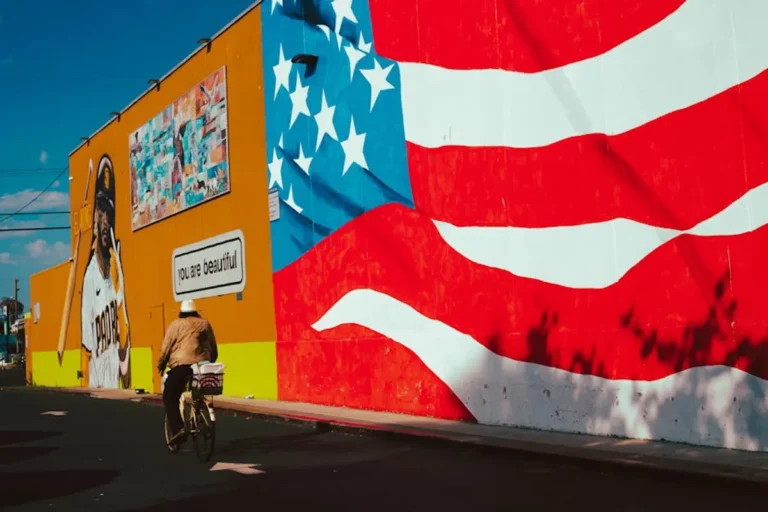

Photography serves as more than just a visual record; it functions as a critical mechanism for cultural preservation and the reinforcement of community memory. For marketers, brand strategists, and content creators, understanding this foundational role provides a strategic lens through which to approach visual storytelling, audience engagement, and brand authenticity. This isn't merely about documenting events; it's about capturing the intangible essence of human experience, tradition, and identity, transforming fleeting moments into enduring historical assets. Businesses and organizations that grasp this power can leverage photography not only to communicate their own narratives but also to connect with their audiences on a deeper, more resonant cultural level.
Documenting Cultural Practices and Traditions
The act of photographing cultural practices creates an invaluable archive, offering a tangible link to heritage that might otherwise fade. This visual documentation goes beyond simple snapshots, often requiring an understanding of the context and significance of the subjects.
Visual Catalogs of Heritage
Photography excels at creating detailed visual catalogs of rituals, festivals, traditional crafts, architecture, and daily life. These images provide concrete evidence of how communities live, celebrate, and create. For institutions like museums, universities, and historical societies, these photographic collections become primary sources for research, exhibition development, and educational programs. In the commercial sphere, brands involved in cultural tourism or artisanal goods can use such authentic visual documentation to establish credibility and highlight the unique provenance of their offerings, attracting consumers who value genuine cultural experiences and ethical production.
Generational Storytelling
Images transcend language barriers, making them potent tools for transmitting knowledge and values across generations. A photograph of a grandparent practicing a traditional craft or participating in a community festival tells a story that words alone might not convey. This visual continuity fosters a strong sense of identity among younger generations, connecting them to their roots. For brands, integrating such heritage-rich visuals into content marketing strategies can build powerful narratives around legacy, authenticity, and community connection, particularly effective for products or services aiming for a timeless or deeply rooted appeal.
Strengthening Community Bonds and Identity
Beyond individual stories, photography contributes to a collective consciousness, reinforcing the shared experiences and values that define a community. It acts as a visual glue, binding people through common memories and aspirations.
Collective Memory Formation
When photographs of local events, landmarks, or community figures are shared and celebrated, they contribute to a collective memory. This shared visual language reinforces a sense of belonging and solidarity. Local government bodies, community development initiatives, and urban planners can utilize photography to chronicle neighborhood evolution, celebrate milestones, and engage residents in discussions about their shared future. For businesses operating within specific geographical markets, sponsoring or participating in local photographic projects can significantly enhance their community standing and perceived commitment to local heritage.
Advocating for Cultural Preservation
Powerful images can highlight endangered traditions, communities facing displacement, or cultural sites at risk. These photographs serve as compelling calls to action, drawing public attention and support for preservation efforts. Non-profit organizations leverage such visual advocacy to secure funding, recruit volunteers, and influence policy. Corporations engaged in Corporate Social Responsibility (CSR) can partner with these organizations, using photography to document their support for cultural heritage, thereby enhancing their brand's ethical reputation and demonstrating tangible impact beyond profit motives.
The Role of Digital Archiving and AccessibilityThe digital age has revolutionized how cultural photographs are stored, shared, and accessed, expanding their reach and ensuring their longevity far beyond traditional physical archives.
Expanding Reach and Longevity
Digitization protects fragile physical prints from degradation and makes them accessible to a global audience. Digital asset management (DAM) systems, coupled with robust metadata tagging, allow for efficient organization, searchability, and retrieval of vast photographic collections. This ensures that cultural heritage is not only preserved but also actively utilized by researchers, educators, and the general public, regardless of geographical location. For commercial entities, well-managed digital archives can be a source of rich, authentic visual content for marketing campaigns, educational materials, and even product design inspiration.
Engaging New Audiences
Digital platforms, including social media, online exhibitions, and interactive websites, transform static archives into dynamic engagement tools. These platforms can introduce cultural heritage to younger demographics and global audiences who might not access traditional museums or libraries. Interactive features, virtual reality experiences, and user-generated content initiatives built around photographic archives can foster deeper engagement and participation. This approach offers a model for brands seeking to create immersive, educational, and emotionally resonant experiences with their audience.
- Global accessibility for diverse audiences.
- Enhanced searchability via detailed metadata and AI-driven tagging.
- Protection against physical degradation, loss, or disaster.
- Interactive engagement opportunities through digital exhibits and social platforms.
- Development of educational resources and virtual learning modules.
Practical Applications for Businesses and Organizations
Understanding photography's role in cultural and community memory provides actionable insights for strategic communication and brand building.
Brand Authenticity and Storytelling
Brands can leverage culturally resonant photography to build genuine trust and connection. Instead of generic stock imagery, using photographs that reflect local customs, historical contexts, or community narratives can differentiate a brand. This approach is particularly effective for brands targeting specific cultural groups or those emphasizing a strong sense of place and heritage in their product or service offerings. Authentic visual storytelling fosters loyalty by aligning the brand with deeper cultural values.
Marketing Cultural Tourism and Local Experiences
For destinations, tour operators, and hospitality businesses, compelling photography that showcases local culture, traditions, and community life is indispensable. High-quality images of festivals, historical sites, traditional crafts, and local people engaged in daily activities can create a powerful emotional appeal, driving interest and visitation. These visuals communicate the unique value proposition of a cultural experience far more effectively than descriptive text alone, translating directly into booking conversions and increased engagement.
Corporate Social Responsibility (CSR) Initiatives
Companies committed to CSR can use photography to document their support for local arts, heritage preservation, or community development projects. Visual evidence of these initiatives demonstrates tangible impact and reinforces the brand's commitment to social good. Sharing these images through annual reports, social media, and dedicated campaign pages not only builds a positive public image but also inspires stakeholders and potential partners, showcasing the company as a responsible and engaged corporate citizen.
Leveraging Visual Legacy for Future Engagement
The strategic integration of photography into marketing, preservation, and community-building efforts is a long-term investment. By consciously documenting and sharing cultural and community memories through photography, organizations and businesses do more than just record the past; they actively shape future perceptions, foster enduring connections, and contribute to a richer, more authentic brand narrative. This commitment to visual legacy translates into enhanced brand equity, deeper audience loyalty, and a stronger societal footprint.
Frequently Asked Questions
How does photography differ from other forms of cultural documentation?
Photography offers an immediate, universally understood visual record, capturing nuances of expression, environment, and interaction that written or oral accounts might miss. It provides direct visual evidence, fostering a sense of authenticity and direct connection to the subject.
What are the ethical considerations when photographing cultural practices?
Key ethical considerations include obtaining informed consent from subjects, respecting cultural norms regarding privacy and representation, avoiding misinterpretation or exploitation of imagery, and ensuring proper context and attribution for all photographs.
How can small businesses or local organizations utilize photography for cultural preservation?
Small businesses can partner with local historical societies or artists to document community events, local landmarks, or traditional trades. They can sponsor local photography contests focused on heritage, or use historical local imagery in their branding to connect with community roots and foster local pride.
What role does metadata play in preserving cultural photographs?
Metadata (data about data) is crucial for digital preservation. It includes information like date, location, photographer, subjects, cultural context, and keywords. This data makes images searchable, understandable, and ensures their long-term discoverability and accurate interpretation within archives and databases.