The realms of music, film, and visual art, while distinct in their primary sensory engagement, exist not as isolated silos but as a deeply interconnected ecosystem. For content strategists, marketers, and publishers, recognizing these mutual influences is not merely an academic exercise; it provides a framework for crafting richer narratives, developing more resonant brand identities, and unlocking novel audience engagement pathways. Understanding how a musical motif can inspire a visual aesthetic, or how a painting can underpin a cinematic narrative, offers concrete insights into creating content that transcends single-medium limitations and taps into a broader cultural lexicon.
The Symbiotic Relationship Across Creative Disciplines
The interplay between music, film, and visual art is a continuous feedback loop, where each form acts as both a source of inspiration and a canvas for expression for the others. This cross-pollination enriches individual works and drives broader artistic movements.
Music as a Visual Catalyst
Music, despite being an auditory medium, consistently inspires visual interpretation and creation. Album art, for instance, serves as an immediate visual representation of a band's sonic identity and thematic content, often becoming as iconic as the music itself. Think of classic rock album covers where the visual design directly translates the mood or narrative of the tracks. Similarly, music videos have evolved from simple performance clips into sophisticated short films, using cinematography, set design, and choreography to amplify the song's message and emotional impact. The visual language employed in these videos can define an artist's brand for years.
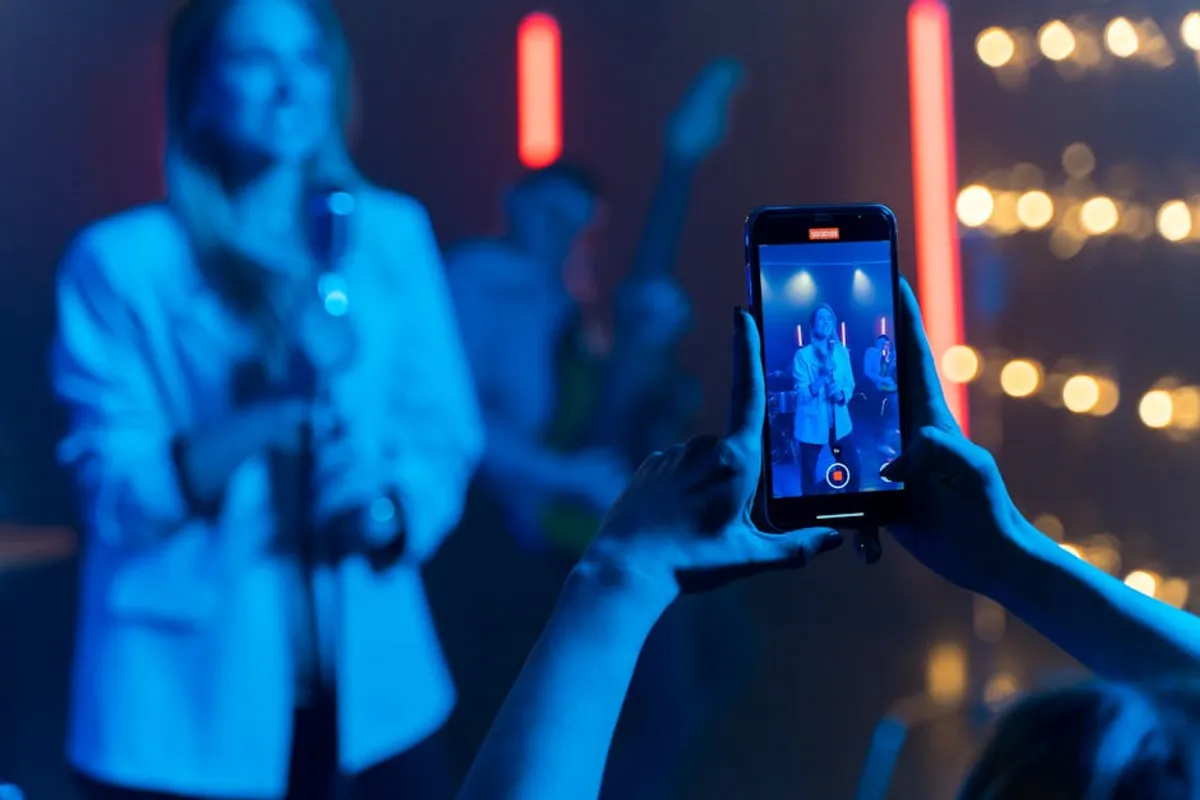
Beyond direct visual accompaniment, musical genres often cultivate distinct visual aesthetics. For example, the punk rock movement was inseparable from its DIY zine culture, raw graphic design, and specific fashion sensibilities. Electronic music festivals rely heavily on elaborate light shows, projection mapping, and stage architecture to create an immersive, multi-sensory experience that extends the auditory into the visual realm.
Film as an Integrative Medium
Film stands as a unique synthesis, inherently weaving together visual art and music to create a cohesive narrative experience. Cinematography, production design, and costume design are all forms of visual art within a film, meticulously crafted to establish mood, character, and setting. The use of color palettes, framing, and light directly influences how a story is perceived and felt by the audience. For example, the stark, desaturated tones in a film like 'Blade Runner 2049' are critical to conveying its dystopian atmosphere.
Simultaneously, a film's score is not merely background noise; it is a narrative voice. It can build tension, evoke emotion, foreshadow events, or define character arcs. The collaboration between a film director and a composer is often a delicate dance, where the musical themes are developed in tandem with the visual storytelling. A memorable film score, like those by Ennio Morricone or Hans Zimmer, often becomes synonymous with the film's visual identity, proving that sound can paint as vividly as light.
Visual Art's Narrative Foundations
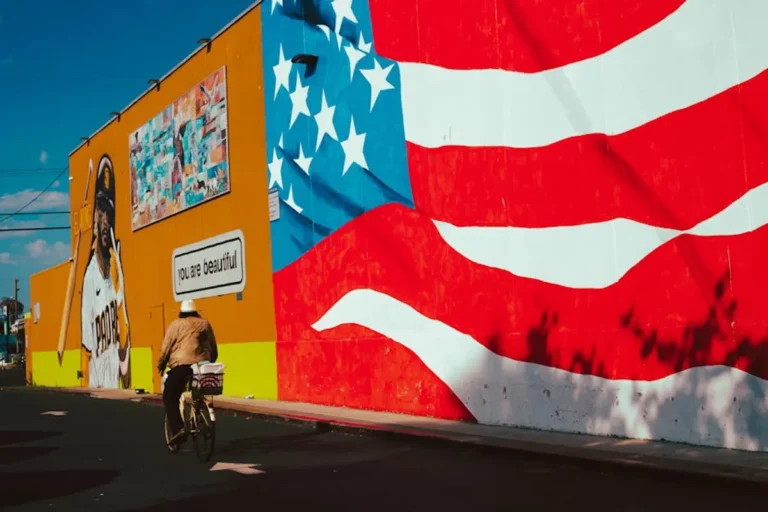
Visual art, encompassing painting, sculpture, photography, and digital art, frequently provides foundational inspiration for both music and film. A single painting can spark a composer's melody or a filmmaker's entire plot. Historical art movements, such as Surrealism or Impressionism, have directly influenced cinematic styles and musical compositions, offering new ways to depict reality or express emotion. For instance, the German Expressionist movement of the early 20th century profoundly shaped the visual style of classic horror films, influencing everything from set design to lighting techniques.
Photographers capture moments that can become story prompts, while sculptors create forms that inspire architectural design in film sets or the physical presence of performers in music videos. The aesthetic principles and thematic concerns explored in visual art often predate and inform their counterparts in other media, providing a rich historical and conceptual wellspring for creators.
Pro Tip: When developing content strategies, analyze how successful brands or cultural movements have leveraged interdisciplinary connections. For instance, examine how a fashion brand collaborates with a musician for a campaign, or how a museum exhibition incorporates interactive soundscapes. This reveals concrete methods for cross-media content integration rather than isolated efforts.
Practical Applications for Content and Brand Strategy
For those focused on digital content and brand development, understanding these artistic interdependencies offers tangible benefits:
- Enhanced Audience Engagement: By integrating visual and auditory elements thoughtfully, content can create more immersive and memorable experiences. A blog post about a historical era can be enriched with period-appropriate music or visual art references, extending its reach and impact.
- Unlocking Cross-Media Content Opportunities: This understanding facilitates the development of transmedia storytelling, where a single narrative extends across different platforms and media types. A brand's core message can be expressed through a short film, an accompanying musical track, and a series of visually striking social media assets, each reinforcing the other.
- Developing Stronger Brand Identities: A brand's visual identity (logo, color palette, typography) and its sonic identity (jingles, background music in ads) should ideally be conceived in harmony. When these elements reinforce each other, they create a more coherent, recognizable, and emotionally resonant brand persona.
- Identifying Cultural Trends and Niche Audiences: Observing how artistic influences flow between these mediums can help identify emerging cultural trends or specific subcultures. For example, a particular visual art style gaining traction on social media might indicate a corresponding shift in musical tastes or film preferences, informing content targeting and development.
Cultivating Interdisciplinary Content Approaches
Moving beyond theoretical understanding, the practical application involves a conscious effort to integrate these insights into content creation workflows. This means fostering collaboration between different creative specialists—graphic designers, videographers, sound engineers, writers—from the project's inception. Instead of adding music or visuals as an afterthought, they become integral components of the initial conceptualization phase. This approach ensures that the final output is a cohesive, multi-sensory experience that resonates more deeply with target audiences and stands out in a crowded digital landscape.
Frequently Asked Questions
How does understanding artistic influence benefit SEO and content visibility?
By creating content that leverages interdisciplinary connections, you tap into broader search intent and cultural conversations. For instance, an article discussing the visual art behind a famous album cover can attract users searching for both art history and music nostalgia, broadening your organic reach and increasing dwell time through richer content experiences.
Can visual art directly inspire sound design in digital media?
Absolutely. A visual artist's use of sharp lines, contrasting colors, or flowing forms can directly inform a sound designer's choice of crisp, percussive sounds, dissonant harmonies, or smooth, ambient textures. This cross-modal inspiration helps create a more unified and impactful user experience, especially in interactive content or immersive digital environments.
What are some examples of successful cross-art collaborations in marketing?
Many luxury brands collaborate with renowned visual artists for limited-edition product designs, simultaneously commissioning musicians to score their launch campaigns. Automotive companies often use cinematic short films with bespoke soundtracks to convey their brand philosophy. These initiatives demonstrate how integrated artistic approaches can elevate brand perception and create memorable marketing assets.
How can small businesses or individual content creators apply these principles?
Even without large budgets, creators can apply these principles by thoughtfully curating visual assets that complement their audio content (e.g., podcast cover art, social media graphics) or selecting royalty-free music that enhances the mood of their written or visual content. The key is intentionality in ensuring that all sensory elements work in concert to convey a unified message.