
In an era saturated with digital content, capturing and sustaining audience attention demands authentic, resonant storytelling. Artists who use urban walls as their canvas offer a masterclass in this, transforming static surfaces into dynamic narratives that engage communities, provoke thought, and imbue spaces with identity. For marketers and publishers seeking to build deeper connections and convey compelling messages, understanding these public visual narratives provides invaluable insights into effective communication beyond traditional channels.
The Canvas and Its Constraints: Public Art as Narrative Medium
Walls, unlike traditional gallery canvases, are inherently public, often immense, and inextricably linked to their environment. This inherent context shapes the narrative from its inception. An artist creating a mural on a historic building might weave in local history, while a piece on a bustling street corner might offer immediate social commentary. The sheer scale allows for panoramic narratives that unfold across a viewer's field of vision, demanding interaction not just with the art, but with the space itself. This site-specificity means the story is not just *on* the wall, but *of* the wall and its surroundings, creating a unique, immersive experience that traditional art forms rarely achieve.
Visual Language and Storytelling Techniques
Artists employ a diverse palette of visual techniques to convey complex stories on walls, often leveraging the public nature of the medium to maximize impact and accessibility.
Symbolism and Metaphor
Universal symbols, such as doves for peace or chains for oppression, transcend language barriers, allowing artists to communicate broad themes instantly. More localized metaphors, referencing specific cultural icons or historical events, forge a deeper connection with the immediate community. This dual approach ensures both wide appeal and specific resonance, making the narrative layered and engaging.
Sequential Narratives and Murals
Large-scale murals often function like visual novels, with distinct panels or unfolding scenes guiding the viewer through a progression of events or ideas. This sequential storytelling, borrowing from comic art and frescoes, allows for detailed narratives that build emotional tension or convey historical chronologies across vast urban surfaces.
Character and Portraiture
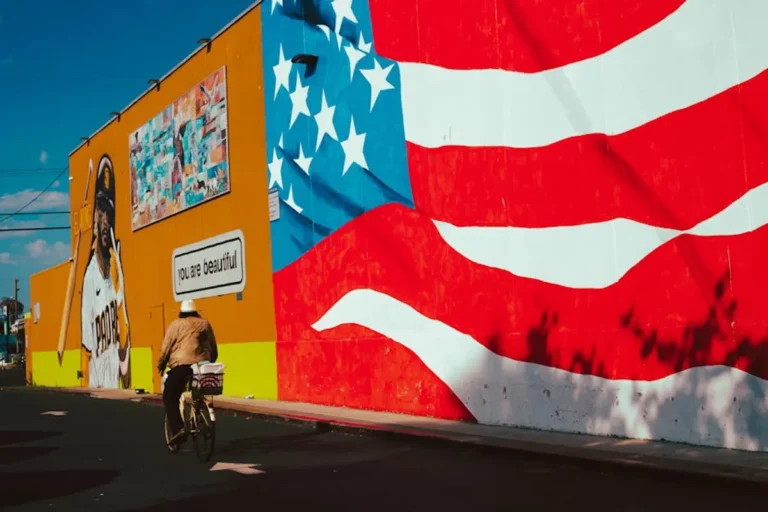
Humanizing stories is a core function of portraiture. Artists frequently depict local heroes, historical figures, or archetypal characters to personify struggles, celebrate achievements, or evoke empathy. A well-rendered face can convey an entire life story, making abstract concepts relatable and immediate to passersby.
Text and Typography
Integrating words directly into wall art amplifies the message, providing explicit context or poetic reinforcement. From bold, impactful slogans in graffiti to intricate calligraphic narratives, text ensures clarity while adding an additional layer of aesthetic expression. The choice of font, size, and placement contributes significantly to the overall tone and narrative.
Abstraction and Emotion
Not all wall narratives are explicit. Abstract forms, vibrant color palettes, and dynamic compositions can evoke powerful emotions, stimulate introspection, or represent complex social dynamics without literal representation. This approach allows for individual interpretation, fostering a personal connection to the artwork's underlying message.
Artists often combine these techniques to craft multi-dimensional narratives. Common narrative approaches include:
- Historical Documentation: Depicting past events, local heritage, or significant cultural milestones.
- Social Commentary: Addressing contemporary issues, political statements, or calls for justice.
- Mythology and Folklore: Retelling ancient stories or creating new urban legends.
- Community Identity: Celebrating local culture, diverse populations, or shared aspirations.
- Environmental Advocacy: Raising awareness about ecological concerns and sustainability.
Activating Spaces: Community, Dialogue, and Identity
Wall art fundamentally transforms public spaces from mere transit points into destinations for contemplation and conversation. By injecting vibrant narratives into the urban fabric, artists foster a sense of local pride and belonging. A mural celebrating a neighborhood's history can become a focal point for community gatherings, while a piece addressing social injustice can spark crucial dialogues among residents. This art often serves as a visual anchor for collective memory and aspiration, turning anonymous walls into powerful expressions of communal identity and shared values.
PRO TIP: When documenting public art for content, prioritize high-resolution imagery and contextual information. Include location, artist (if known), and the story or message behind the work. This adds significant value for audiences interested in cultural documentation and urban exploration.
The Ephemeral and the Enduring: Documenting Public Narratives
Much wall art, particularly graffiti and unsanctioned works, is inherently transient, subject to weather, urban development, or subsequent artistic overlays. This ephemeral nature adds to its raw appeal but also underscores the critical importance of documentation. Photography, videography, and digital archiving extend the life and reach of these narratives far beyond their physical existence. For publishers and content creators, this documentation isn't merely preservation; it's the creation of valuable cultural assets. High-quality digital records allow these stories to be shared globally, studied by researchers, and appreciated by audiences who may never visit the original site, ensuring the art's impact endures.
Practical Applications for Storytelling Professionals
The methods employed by artists on public walls offer direct lessons for marketers, publishers, and content strategists. The emphasis on site-specificity translates to understanding audience context and tailoring messages accordingly. The effective use of visual language, symbolism, and sequential narrative provides a blueprint for compelling visual content across digital platforms. Furthermore, the capacity of wall art to foster community engagement and spark dialogue highlights the power of authentic, culturally resonant storytelling to build strong connections. Embracing these principles means moving beyond generic messaging to create content that genuinely activates audiences and imbues your brand or publication with deeper meaning.
Frequently Asked Questions
What distinguishes wall art from traditional gallery art in terms of storytelling?
Wall art's primary distinction lies in its public, site-specific nature and immense scale. It interacts directly with its urban environment and a broad, non-curated audience, often conveying messages tied to local context or social issues, unlike gallery art which is typically viewed in a controlled, curated setting.
How does public art contribute to community identity and engagement?
Public wall art fosters community identity by reflecting local history, culture, and aspirations. It engages residents by providing shared visual landmarks, sparking conversations, and often involving community members in its creation, thus transforming public spaces into collective narratives.
What challenges do artists face when telling stories on public walls?
Artists encounter challenges such as securing legal permissions, adapting to diverse architectural surfaces, navigating environmental factors like weather, and contending with the ephemeral nature of their work due to urban development or subsequent overlays. They must also consider the immediate public reception and potential for misinterpretation.
How can businesses or organizations leverage the storytelling power of public art?
Businesses and organizations can leverage public art's storytelling power by commissioning murals that reflect their brand values or local community, sponsoring art initiatives that engage their target audience, or documenting existing public art to create compelling content that connects with cultural trends and community interests.