Creative placemaking is a strategic, community-driven approach that integrates arts, culture, and creative industries into urban, rural, and suburban planning and development. This methodology moves beyond aesthetic enhancements, aiming to shape the physical and social character of a place, fostering economic vitality, social cohesion, and a distinct identity. For urban planners, developers, businesses, and community leaders, understanding creative placemaking is crucial for unlocking new avenues of investment, resident engagement, and sustainable growth.
Defining Creative Placemaking's Core
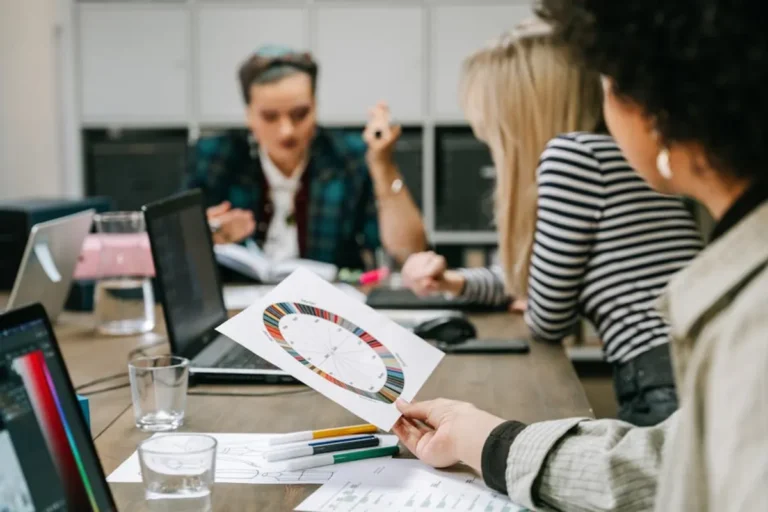
At its foundation, creative placemaking leverages the power of art and culture to address a range of community challenges and opportunities. It's not merely about installing a sculpture or hosting a festival; it's about embedding creative processes and cultural assets into the fabric of daily life and long-term planning. This involves a deliberate, collaborative effort among artists, cultural organizations, community residents, local governments, and the private sector.
The objective extends beyond beautification. Creative placemaking seeks to:
- Stimulate local economies through cultural tourism and creative enterprise.
- Enhance civic pride and community identity by reflecting local heritage and aspirations.
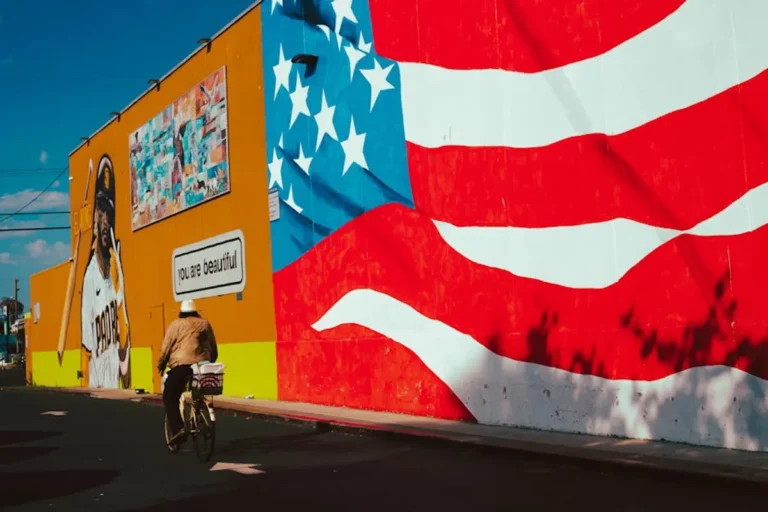
- Activate underutilized public spaces, transforming them into vibrant community hubs.
- Foster social connections and inclusivity, providing platforms for diverse voices.
- Address specific urban challenges like blight, lack of public safety, or economic stagnation.
Unlike traditional urban development that might prioritize infrastructure or commercial build-outs exclusively, creative placemaking recognizes culture as an essential ingredient for creating places where people want to live, work, and visit.
Strategic Benefits and Measurable Impacts
Investing in creative placemaking yields tangible returns across multiple sectors, making it a commercially viable strategy for various stakeholders.
Economic Revitalization and Investment Attraction
Creative placemaking projects often serve as catalysts for economic growth. Public art installations, cultural districts, and performance venues draw visitors, increasing foot traffic for surrounding businesses, from retail to hospitality. This can lead to:
- Increased Property Values: Areas with robust cultural programming often experience appreciation in real estate values.
- Job Creation: Supports employment in the arts, cultural industries, and ancillary services.
- Tourism Revenue: Distinct cultural offerings attract tourists, generating income through accommodations, dining, and local purchases.
- Business Incubation: Creative spaces can foster entrepreneurship, attracting and retaining talent.
For developers, integrating creative elements can differentiate properties, attract specific demographics, and command higher rents or sale prices. For municipalities, it diversifies the economic base and enhances tax revenues.
Social Cohesion and Community Well-being
Beyond economics, creative placemaking plays a critical role in strengthening social fabric. By creating shared cultural experiences and accessible public spaces, it can:
- Foster Civic Engagement: Provides platforms for community dialogue and collective action.
- Enhance Safety: Activated public spaces are often safer spaces, reducing perceptions of crime.
- Build Identity: Helps communities articulate and celebrate their unique character, fostering a sense of belonging.
- Improve Quality of Life: Access to arts and culture is a key indicator of a desirable place to live.
Pro Tip: To avoid the pitfalls of tokenism or potential gentrification, prioritize genuine, long-term community engagement from the outset. Ensure that local artists and residents, especially those from underserved populations, are not just consulted but are active co-creators and beneficiaries of the placemaking initiatives. Projects must reflect and serve the existing community, not just external interests.
Implementing a Creative Placemaking Initiative
Successful creative placemaking requires a structured, multi-phase approach:
Phase 1: Discovery and Visioning
This initial stage involves comprehensive community assessment. Identify existing cultural assets, underutilized spaces, and community needs. Conduct extensive outreach to artists, residents, businesses, and local government to co-create a shared vision and define measurable objectives. This ensures projects are grounded in local context and have broad support.
Phase 2: Planning and Resource Mobilization
Translate the vision into concrete project plans. This includes identifying specific artistic interventions, cultural programs, or creative infrastructure developments. Secure funding through a mix of public grants, private sector sponsorships, philanthropic foundations, and community crowdfunding. Develop detailed budgets, timelines, and partnership agreements.
Phase 3: Execution and Activation
Implement the planned projects, focusing on high-quality artistic execution and effective community engagement. This phase involves managing artists, contractors, and volunteers, along with robust marketing and communication efforts to ensure public awareness and participation. Activation strategies might include pop-up events, workshops, performances, or temporary art installations to build momentum.
Phase 4: Evaluation and Sustained Impact
Measure the project's impact against the initial objectives using both quantitative (e.g., visitor numbers, economic activity, property values) and qualitative data (e.g., community surveys, media coverage, anecdotal feedback). Use these insights to refine strategies, secure ongoing funding, and plan future initiatives, ensuring the placemaking effort creates lasting, positive change.
Addressing Common Implementation Challenges
While transformative, creative placemaking is not without its challenges:
- Gentrification: Increased desirability can lead to displacement of existing residents and businesses. Mitigation requires proactive planning for affordable housing, local business support, and inclusive programming.
- Funding Volatility: Sustaining creative projects requires diverse funding streams beyond initial grants. Building endowments, public-private partnerships, and earned income strategies are crucial.
- Measuring ROI: Quantifying the social and cultural benefits can be complex. Developing clear metrics and consistent data collection methods is essential for demonstrating value to funders and stakeholders.
- Bureaucratic Hurdles: Navigating municipal permits, zoning regulations, and inter-departmental coordination can slow progress. Early engagement with local government is key.
- Maintaining Authenticity: Commercial pressures can dilute the unique character of a place. Prioritizing local artists and community narratives helps preserve authenticity.
Moving Forward with Creative Placemaking
For any entity considering this approach, the pathway involves strategic collaboration and a long-term perspective. Local governments can integrate cultural planning into their comprehensive development strategies. Real estate developers can embed creative amenities from project inception to enhance market appeal. Businesses can sponsor local arts initiatives, contributing to community vibrancy while gaining visibility. Artists and cultural organizations must actively seek partnerships, advocating for their role as essential catalysts for community development. The ultimate goal is to cultivate places that are not only economically robust but also culturally rich, socially inclusive, and deeply resonant with their inhabitants.
Frequently Asked Questions
What is the difference between creative placemaking and public art?
Public art is a component of creative placemaking, focusing on artistic installations in public spaces. Creative placemaking is a broader, strategic approach that integrates arts and culture into comprehensive community planning, encompassing not just art objects but also cultural programming, creative industries, and community engagement to achieve economic, social, and civic goals.
How does creative placemaking benefit local businesses?
It increases foot traffic and visitor numbers, leading to higher sales for retail, restaurants, and services. It also enhances the overall attractiveness of a commercial district, potentially drawing new residents and businesses, and boosting property values. Creative placemaking can also create a distinctive brand for a neighborhood, attracting specific customer segments.
Can creative placemaking lead to gentrification?
Yes, if not managed carefully. Increased desirability and property values can lead to displacement. To mitigate this, creative placemaking initiatives must include proactive strategies for equitable development, such as affordable housing policies, support for existing local businesses, and ensuring that programming and opportunities are inclusive of all community residents.
What role do artists play in creative placemaking?
Artists are central to creative placemaking, acting as innovators, community organizers, and visionaries. They create the cultural content, design engaging experiences, and often facilitate community dialogue. Their involvement moves beyond simply creating art to actively shaping the planning process, contributing to the social and economic development of a place.