Selecting wall art for modern interiors extends beyond mere decoration; it involves curating visual elements that define a space, establish mood, and reflect an intentional aesthetic. Modern design emphasizes clean lines, functional forms, and often, a minimalist approach, which means wall art must contribute to, rather than detract from, this streamlined sensibility. The right pieces can act as focal points, introduce color and texture, or reinforce the architectural integrity of a room. However, the sheer volume of options, from abstract canvases to digital displays, necessitates a clear understanding of how each style interacts with contemporary design principles. This guide explores various wall art ideas, detailing their specific characteristics, suitability, and practical implications, to aid in making informed selections that enhance modern living environments.
Defining Modern Wall Art: Key Considerations
Modern wall art functions as an integral component of interior design, not merely an afterthought. Its effectiveness hinges on several factors that align with contemporary aesthetics. Consider scale and proportion: oversized pieces can anchor a room, while smaller, thoughtfully grouped works add depth without clutter. Color palette is crucial; art can introduce a vibrant accent, maintain a monochromatic theme, or provide subtle tonal variations. Materiality also plays a significant role; metal, acrylic, canvas, and digital screens each offer distinct visual and tactile qualities that influence the overall feel. Finally, the subject matter or abstract nature of the art should resonate with the room's purpose and the occupant's personal style, ensuring it feels cohesive and intentional rather than arbitrary.
1. Abstract Canvas Prints
Abstract canvas prints feature non-representational forms, colors, and textures, offering a versatile solution for modern interiors. Their lack of explicit subject matter allows for broad interpretation, enabling them to complement diverse design schemes without conflicting with existing decor. These prints often serve as a primary color infusion or a textural counterpoint in minimalist spaces, providing visual interest through dynamic compositions or subtle tonal shifts. The canvas medium itself lends a classic art gallery feel, while the abstract nature ensures a contemporary edge.
Best for: Adding color, movement, or a sophisticated artistic touch to living rooms, dining areas, or home offices that require a flexible and impactful focal point.
Pros:
- Highly adaptable to various color schemes and furniture styles due to their non-objective nature.
- Available in a vast range of sizes, from small accent pieces to large-format statements.
- Can introduce texture and depth through brushstrokes or layered paint effects.
- Often more accessible in price than original paintings, offering high visual impact for less investment.
Cons:
- Quality varies significantly; lower-resolution prints can appear flat or pixelated.
- May not appeal to those who prefer representational art with clear narratives.
- Requires careful consideration of color and composition to ensure harmony with the existing decor.
Verdict: Abstract canvas prints remain a foundational choice for modern interiors, offering unparalleled flexibility in aesthetic impact and stylistic integration. Their strength lies in their ability to evoke emotion and interest without dictating a specific narrative, making them ideal for spaces that prioritize visual harmony and contemporary flair.
2. Minimalist Line Art
Minimalist line art distills subjects to their essential forms using continuous or broken lines, often in monochromatic palettes. This style emphasizes simplicity, negative space, and precision, aligning perfectly with modern design's clean aesthetic. Whether depicting figures, landscapes, or geometric patterns, line art provides a subtle yet impactful visual anchor that avoids clutter. It often appears as framed prints, sometimes with a stark white background to enhance its understated elegance.
Best for: Creating a serene, uncluttered atmosphere in bedrooms, hallways, or minimalist living spaces where subtlety and sophistication are paramount.
Pros:
- Enhances a sense of calm and order due to its simplicity and focus on essential forms.
- Extremely versatile in pairing with other decor elements without overwhelming the space.
- Often features a timeless quality that transcends fleeting trends.
- Can be easily grouped to form a cohesive gallery wall without visual noise.
Cons:
- May be perceived as too stark or unengaging by those who prefer more vibrant or detailed art.
- Requires careful framing and placement to maximize its intended impact.
- Limited in its ability to introduce significant color or textural variety.
Verdict: Minimalist line art is a powerful choice for modern interiors that value understated elegance and thoughtful design. Its strength lies in its ability to communicate complexity through simplicity, offering a sophisticated visual statement that complements rather than dominates a space.
3. Large-Scale Photography
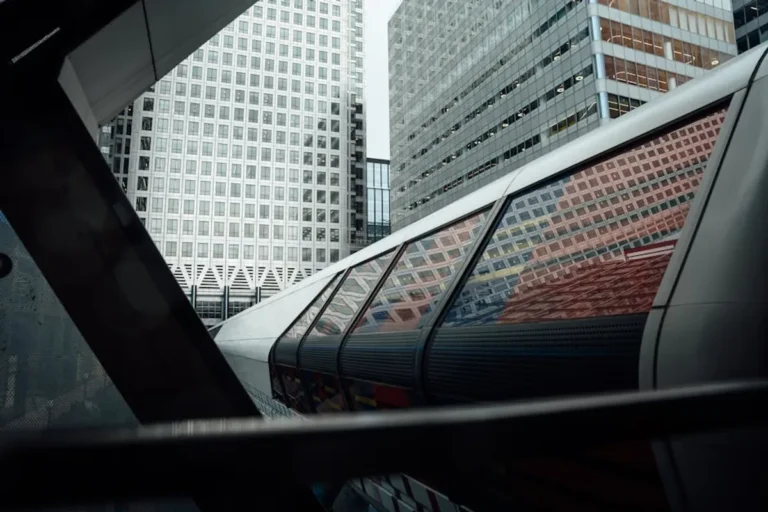
Large-scale photography, particularly monochromatic or architectural subjects, transforms a wall into a dramatic focal point. These pieces often feature expansive landscapes, urban vistas, or abstract close-ups, printed at sizes that command attention. The modern appeal comes from the crisp detail, often muted color palettes (black and white being a popular choice), and the ability to transport the viewer to another scene. The sheer size dictates a deliberate placement, often as the sole piece on a prominent wall.
Best for: Making a bold statement in spacious living rooms, grand entryways, or contemporary dining areas, creating a window-like effect or a dramatic backdrop.
Pros:
- Creates an immediate and impressive focal point due to its size and visual depth.
- Monochromatic options offer timeless sophistication and integrate seamlessly with various color schemes.
- Can evoke a strong sense of place, mood, or narrative without being overtly decorative.
- High-resolution prints provide exceptional detail and clarity, enhancing the immersive experience.
Cons:
- Significant investment required for high-quality, large-format prints and professional framing.
- Requires ample wall space, limiting its suitability for smaller rooms or complex layouts.
- Installation can be challenging due to weight and size, often requiring professional assistance.
Verdict: Large-scale photography is an impactful choice for modern interiors seeking a singular, dramatic statement. Its ability to define a space and create an immersive visual experience makes it ideal for those prioritizing grandeur and a contemporary aesthetic, provided the space and budget allow.
4. Geometric Metal Wall Art
Geometric metal wall art utilizes shapes, lines, and negative space crafted from materials like steel, aluminum, or copper. These pieces often feature abstract patterns, interlocking forms, or stylized natural motifs, rendered with precision and a contemporary finish. The metallic sheen adds a subtle industrial or architectural element, while the open designs prevent the art from feeling heavy. They can be painted, powder-coated, or left with a natural metallic finish, offering diverse textural and color options.
Best for: Introducing structural interest, a touch of industrial chic, or a subtle metallic accent in modern living rooms, hallways, or commercial spaces.
Pros:
- Adds a distinct three-dimensional quality and textural contrast to flat walls.
- Durable and long-lasting, resisting wear and tear better than canvas or paper prints.
- Reflects light, adding a dynamic quality that changes with the room's illumination.
- Available in various finishes (matte, glossy, brushed) to match specific decor schemes.
Cons:
- Can be heavier than other art forms, requiring robust mounting hardware.
- Sharp edges or intricate designs can be delicate during handling and installation.
- May not suit interiors that prioritize softness, warmth, or traditional aesthetics.
Verdict: Geometric metal wall art offers a distinctive blend of industrial elegance and modern design. Its structural presence and light-reflecting properties make it an excellent choice for adding depth and a sophisticated edge to contemporary spaces that can accommodate its material characteristics.
5. Textural Woven Art
Modern textural woven art, encompassing contemporary macrame, fiber art, and tapestry-inspired pieces, introduces organic warmth and tactile dimension. Unlike traditional tapestries, modern iterations often feature abstract designs, neutral color palettes, and varied fiber techniques (e.g., chunky knots, flowing fringes, intricate weaves). These pieces soften the often-hard lines of modern architecture, providing a handcrafted counterpoint to sleek surfaces. Materials range from natural cotton and wool to synthetic blends, allowing for diverse textures and durability.
Best for: Adding warmth, softness, and an organic, artisanal touch to bedrooms, cozy living nooks, or spaces with a Scandinavian-modern or bohemian-luxe aesthetic.
Pros:
- Introduces significant textural contrast, softening otherwise stark modern interiors.
- Offers a unique, handcrafted aesthetic that feels personal and distinct.
- Can absorb sound, contributing to better acoustics in open-plan spaces.
- Available in a range of natural and muted colors, easily integrating into serene palettes.
Cons:
- Can collect dust and may require delicate cleaning or maintenance.
- May not be suitable for high-traffic areas where it could be easily damaged.
- Can appear less formal than framed art, which might not suit all modern professional settings.
Verdict: Textural woven art provides a much-needed organic counterpoint in modern interiors, offering warmth, softness, and a unique handcrafted appeal. It's an excellent choice for creating inviting and comfortable spaces that still maintain a contemporary sensibility.
6. Framed Graphic Prints
Framed graphic prints encompass a broad category including typography art, stylized illustrations, and minimalist poster designs. These prints often feature bold text, simple geometric shapes, or iconic imagery, frequently rendered in limited color palettes or crisp black and white. The emphasis is on clear communication, strong visual impact, and a contemporary aesthetic. When framed thoughtfully, they introduce personality and a curated feel, often with a nod to pop culture, design history, or personal interests.
Best for: Injecting personality, humor, or a specific thematic element into home offices, creative studios, or casual living areas.
Pros:
- Highly customizable and reflective of individual tastes and interests.
- Generally more affordable than fine art, allowing for frequent updates or larger collections.
- Can serve as conversation starters or reinforce a specific room theme.
- Offers a wide array of styles, from abstract to illustrative, ensuring broad appeal.
Cons:
- Quality of print and paper can vary, impacting longevity and visual integrity.
- Poor framing choices can detract significantly from the print's intended effect.
- Some designs can quickly become dated if chosen without careful consideration of timelessness.
Verdict: Framed graphic prints are an accessible and effective way to personalize modern interiors. Their versatility in style and subject matter makes them ideal for expressing individuality and adding a contemporary, often playful, visual layer to a space.
7. Acrylic Face-Mounted Prints
Acrylic face-mounted prints involve printing an image directly onto photographic paper and then bonding it to the back of a sheet of acrylic glass. This process creates a vibrant, high-gloss finish that enhances color saturation and depth, giving the image a luminous quality. The acrylic itself provides a protective layer, eliminating the need for traditional framing and often resulting in a sleek, frameless presentation that floats off the wall. This modern presentation suits contemporary photography and abstract art particularly well.
Best for: Showcasing high-resolution photography, vibrant digital art, or abstract compositions in contemporary living rooms, galleries, or corporate settings where a polished, modern look is desired.
Pros:
- Produces exceptionally vibrant colors and a striking sense of depth.
- Offers a sleek, frameless, and contemporary aesthetic that integrates well with modern decor.
- Acrylic provides UV protection and is shatter-resistant, making it durable.
- Easy to clean and maintain, resisting dust and moisture more effectively than traditional framed prints.
Cons:
- Can be significantly more expensive than canvas or traditional framed prints.
- Highly reflective surface can cause glare in brightly lit rooms or opposite windows.
- Heavy and rigid, requiring specialized mounting hardware and careful installation.
Verdict: Acrylic face-mounted prints are a premium choice for modern interiors that demand maximum visual impact and a sophisticated, contemporary finish. Their ability to render images with unparalleled clarity and vibrancy makes them ideal for statement pieces in well-lit, deliberate spaces.
8. Digital Art Displays
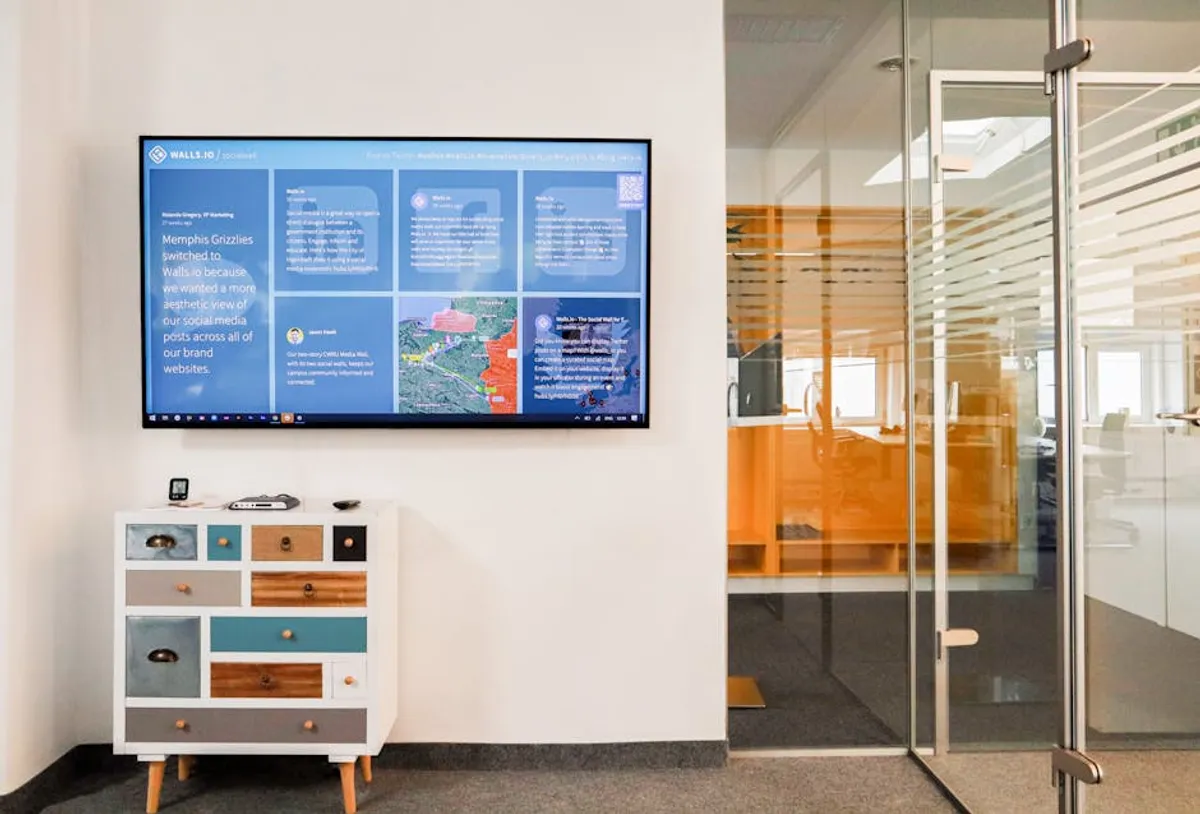
Digital art displays, often in the form of smart frames or dedicated screens, offer a dynamic and evolving wall art solution. These devices allow users to cycle through a curated collection of digital artwork, photography, or even personal images, providing endless possibilities for customization and mood setting. They integrate seamlessly into smart homes, offering control via apps or voice commands. The frameless or minimalist framed designs ensure the focus remains on the changing imagery, aligning with modern aesthetics.
Best for: Tech-forward homes, dynamic spaces like media rooms or offices, and individuals who appreciate the flexibility to change their art frequently without physical redecoration.
Pros:
- Offers unparalleled flexibility to change artwork instantly, adapting to mood, season, or occasion.
- Access to vast libraries of digital art, from classic masterpieces to contemporary digital creations.
- Can display personal photos with gallery-quality presentation.
- Eliminates the need for multiple physical art pieces, reducing clutter and storage requirements.
Cons:
- Initial investment for a high-quality smart frame can be substantial.
- Requires a power source and potentially an internet connection, which can complicate placement.
- Some users may prefer the tactile and unique quality of physical art.
Verdict: Digital art displays represent the cutting edge of modern wall art, offering dynamic flexibility and technological integration. They are an excellent choice for those who value adaptability and a constantly evolving aesthetic, provided they embrace the digital medium.
9. Sculptural Wall Hangings
Sculptural wall hangings introduce a three-dimensional element, transforming a flat wall into a dynamic surface. These pieces move beyond two-dimensional art, utilizing materials like wood, metal, ceramic, or composite resins to create forms that project into the room. Modern sculptural art often features abstract shapes, geometric patterns, or organic textures, emphasizing shadow play and light interaction. They serve as architectural accents, adding depth and tactile interest that traditional flat art cannot.
Best for: Adding architectural interest and a unique, tactile dimension to entryways, feature walls, or open-plan living areas that benefit from a strong visual anchor.
Pros:
- Creates significant visual depth and a striking three-dimensional presence.
- Offers a unique blend of art and architecture, enhancing the structural integrity of a space.
- Materials and forms can introduce interesting shadow play, adding dynamism throughout the day.
- Serves as a strong focal point without relying on color, often in neutral or metallic tones.
Cons:
- Can be heavy and require specialized, secure mounting hardware and professional installation.
- May protrude significantly from the wall, potentially interfering with traffic flow in narrow spaces.
- Often a higher investment than two-dimensional art due to material and craftsmanship.
Verdict: Sculptural wall hangings are an impactful choice for modern interiors seeking to break free from flat surfaces. Their three-dimensional nature and architectural presence offer a sophisticated way to add depth and unique artistic expression, making them ideal for spaces that can accommodate their physical demands.
10. Curated Gallery Walls
A modern curated gallery wall departs from traditional salon-style arrangements, favoring intentional spacing, cohesive themes, and often, uniform framing. It typically features a mix of art forms—photography, minimalist prints, small abstract pieces, or even mirrors—arranged in a precise grid or a thoughtfully asymmetrical pattern. The key is balance and visual harmony, with consistent color palettes or thematic links tying disparate pieces together. This approach allows for personalization while maintaining a clean, contemporary aesthetic.
Best for: Personalizing large walls, creating a narrative, or showcasing a collection of smaller works in living rooms, hallways, or stairwells.
Pros:
- Allows for extensive personalization and the display of multiple cherished pieces.
- Can effectively fill large wall spaces without requiring a single oversized artwork.
- Offers flexibility to evolve over time by adding or swapping out individual pieces.
- When executed well, creates a sophisticated and dynamic visual interest.
Cons:
- Requires careful planning and precise execution to avoid a cluttered or haphazard appearance.
- Can be time-consuming to arrange, measure, and install accurately.
- Inconsistent framing or disparate styles can detract from the modern aesthetic.
Verdict: A modern curated gallery wall is an excellent strategy for personalizing and animating a space, offering a dynamic way to display multiple artworks. Its success hinges on meticulous planning and a strong sense of cohesion, transforming a collection into a unified statement.
11. Neon and LED Light Art
Neon and LED light art utilizes illuminated tubes or strips to create words, symbols, or abstract designs. These pieces introduce a vibrant, often playful, and undeniably contemporary element to a wall. Modern iterations often feature custom designs, energy-efficient LED alternatives to traditional neon, and dimmer controls, allowing for mood adjustments. The glow itself acts as both light source and art, providing a unique ambiance, especially in the evenings. Their stark lines and bold colors align well with industrial-modern or pop-art-inspired interiors.
Best for: Adding a bold, energetic, and contemporary statement to entertainment areas, home bars, creative studios, or urban-inspired living spaces.
Pros:
- Creates an immediate and eye-catching focal point with its unique illumination.
- Adds a distinct contemporary, often edgy, aesthetic that stands out.
- Can function as both art and ambient lighting, enhancing the room's mood.
- Customizable designs allow for personalized messages or artistic expressions.
Cons:
- Requires a power outlet and visible wiring, which may need to be managed.
- Can be a significant investment, especially for custom or larger pieces.
- The specific aesthetic may not suit all modern interior styles, potentially clashing with more subdued designs.
Verdict: Neon and LED light art offers an electrifying way to infuse modern interiors with personality and a contemporary edge. Its dual function as art and light source makes it a compelling choice for spaces that embrace bold statements and a vibrant atmosphere.
12. Custom Wall Murals
Custom wall murals, whether hand-painted or high-quality wallpaper prints, transform an entire wall into a singular artistic statement. For modern interiors, this often means abstract geometric patterns, large-scale photographic landscapes, or minimalist color-block designs. Unlike traditional wallpaper, a modern mural is typically designed to be a focal point, creating an immersive environment or a dramatic backdrop. The seamless integration of the art with the architecture elevates the room's design, making the wall itself an expansive canvas.
Best for: Creating an immersive experience or a dramatic feature wall in spacious living rooms, bedrooms, or commercial lobbies where a bold, integrated design is desired.
Pros:
- Creates an unparalleled immersive experience, making the wall an integral part of the design.
- Eliminates the need for multiple art pieces, simplifying the visual landscape.
- Offers complete customization in terms of design, scale, and color palette.
- Can visually expand a room or define specific zones within an open-plan layout.
Cons:
- Installation can be complex and often requires professional assistance for a seamless finish.
- A long-term commitment; changing a mural is a significant undertaking.
- Can be a substantial investment, particularly for custom hand-painted options.
Verdict: Custom wall murals offer the ultimate in personalized, large-scale artistic expression for modern interiors. They are ideal for those seeking to create a truly unique and immersive environment, transforming a room with a single, impactful visual statement.
Integrating Wall Art: Beyond the Purchase
Selecting the right wall art is only the initial step; successful integration into a modern interior involves thoughtful placement, appropriate lighting, and complementary styling. Consider the wall's dimensions and the surrounding furniture to ensure optimal scale and balance. Art should be hung at eye level, with the center of the piece approximately 57-60 inches from the floor, unless it's part of a larger composition above furniture. Accent lighting, such as picture lights or recessed spotlights, can dramatically enhance the art's presence, highlighting textures and colors. Finally, ensure the art's