Effective urban photography is a critical asset for content creators, marketers, and publishers aiming to capture audience attention within a crowded digital landscape. Beyond mere visual appeal, a well-executed urban photograph can convey narrative, establish brand identity, and differentiate content. This article details specific urban photography ideas, moving beyond generic snapshots to provide actionable approaches for generating compelling visuals that serve distinct commercial and editorial objectives.
What Defines Compelling Urban Photography?
Compelling urban photography for commercial use goes beyond simply documenting a city scene. It involves a deliberate approach to composition, lighting, and subject matter that resonates with a target audience. Key elements include strong visual storytelling, technical proficiency in challenging environments, and a unique perspective that avoids clichés. The most impactful urban images often evoke emotion, highlight cultural nuances, or present familiar subjects in an unexpected way, ensuring they stand out and support specific content goals, whether for social media, editorial pieces, or advertising campaigns.
1. Street Portraits
Street portraits involve capturing individuals within their urban environment, often focusing on their expressions, attire, or interactions. This approach emphasizes the human element, providing a direct connection to the viewer. The goal is to convey a sense of authenticity and personality, reflecting the diverse narratives present in city life. Lighting is often natural, and the background elements are carefully considered to add context without distracting from the subject.
Best For: Lifestyle blogs, travel guides, local business profiles, social media campaigns focusing on community or human interest stories, and fashion content with an urban backdrop.
Pros:
- High emotional resonance due to direct human connection.
- Provides authentic, relatable content that performs well on social platforms.
- Offers strong narrative potential, allowing for deeper storytelling around individuals.
- Can create unique and exclusive visual assets not easily replicated.
Cons:
- Requires strong interpersonal skills to approach and photograph strangers ethically.
- Legal considerations regarding consent and privacy can be complex in public spaces.
- Success is highly dependent on subject availability and willingness.
- Can be technically challenging to achieve sharp focus and balanced exposure in dynamic environments.
Verdict: Street portraits offer unparalleled authenticity and human connection, making them invaluable for content requiring emotional depth and relatability. Mastering the ethical and technical aspects yields highly engaging, differentiated visuals.
2. Architectural Details
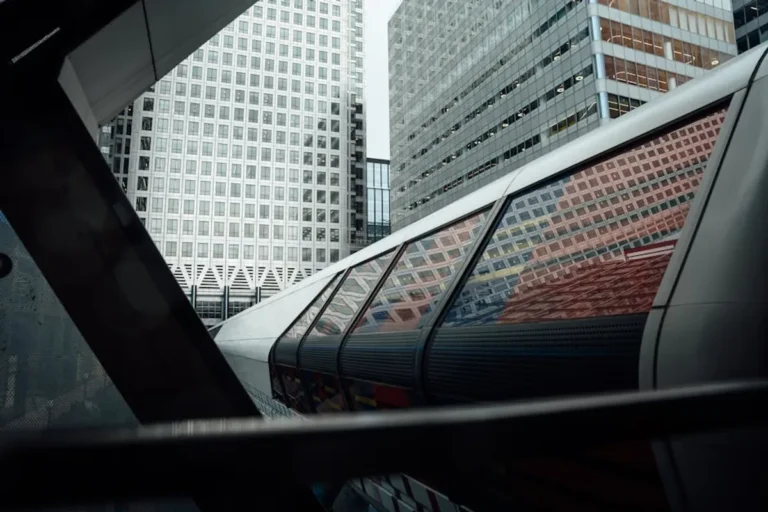
This idea focuses on isolating specific elements of urban architecture, such as repeating patterns, textures, geometric shapes, or unique structural components. Rather than capturing an entire building, the emphasis is on abstracting visual interest from smaller sections. This often involves tight cropping, careful framing, and an eye for lines, curves, and the interplay of light and shadow on surfaces like brick, glass, or concrete.
Best For: Design blogs, real estate marketing, architectural firms, city travel guides highlighting unique aesthetics, and content focused on urban planning or modern art.
Pros:
- Provides clean, graphic, and often abstract visuals that are aesthetically pleasing.
- Highlights unique characteristics of a city's design and heritage.
- Less reliant on human subjects, simplifying legal and ethical considerations.
- Excellent for creating visual consistency in branding through repeated patterns or color palettes.
Cons:
- Can become repetitive if not approached with a fresh perspective.
- Requires a keen eye for composition and often a telephoto lens for isolating details.
- May lack immediate human connection or narrative unless paired with other elements.
- Weather and lighting conditions significantly impact the quality of textures and shadows.
Verdict: Architectural details offer sophisticated, graphic visuals that effectively showcase a city's design identity. They are particularly useful for brands needing clean, structured imagery and minimal human interaction.
3. Urban Landscapes and Cityscapes
Urban landscapes and cityscapes capture broader views of the urban environment, often from elevated vantage points or across wide expanses. These images aim to convey the scale, atmosphere, and overall character of a city. They typically include multiple buildings, streets, and sometimes natural elements like rivers or parks, emphasizing the interconnectedness of urban structures and the horizon. Long exposure techniques are frequently used for night cityscapes to create light trails and smooth water.
Best For: Travel and tourism marketing, destination branding, editorial content for city guides, establishing setting for video or written narratives, and large-format prints for corporate offices.
Pros:
- Instantly recognizable and iconic imagery for destination marketing.
- Conveys a sense of grandeur and scale, establishing the overall mood of a city.
- Versatile for various content types, from website headers to print advertisements.
- Can be captured during different times of day (dawn, dusk, night) for diverse moods.
Cons:
- Requires access to specific vantage points, which may be restricted or costly.
- Can be challenging to differentiate from common postcard views without a unique angle or lighting.
- Weather conditions (haze, fog) can significantly impact clarity and mood.
- Often requires specialized equipment like wide-angle lenses and tripods.
Verdict: Urban landscapes are essential for establishing a city's identity and scale. While popular, success hinges on finding unique perspectives and leveraging atmospheric conditions to create distinctive, impactful visuals.
4. Candid Street Scenes
Candid street scenes involve capturing unposed, spontaneous moments of daily life in the city. The focus is on authentic human interactions, everyday activities, and the natural flow of urban existence. These images often tell micro-stories, revealing the character of a place through its inhabitants. The photographer typically observes from a distance, anticipating moments rather than directing them, aiming for a natural, unforced aesthetic.
Best For: Documentary photography, editorial features on urban culture, social media content emphasizing authenticity, travel blogs seeking to show local life, and human interest stories.
Pros:
- Delivers highly authentic and relatable content that resonates deeply.
- Captures genuine human emotion and interaction without artificiality.
- Offers endless unique storytelling opportunities within everyday moments.
- Generates content that feels organic and less like traditional advertising.
Cons:
- Requires patience and a keen observational eye to anticipate compelling moments.
- Legal and ethical considerations regarding privacy are paramount and must be navigated carefully.
- Results can be unpredictable, requiring numerous attempts to capture strong images.
- Often requires fast lenses and quick reflexes to freeze fleeting moments.
Verdict: Candid street scenes provide unparalleled authenticity and narrative depth, making them powerful for content that aims to connect with audiences on a human level. Ethical practice and patience are key to their success.
5. Abstract Urban Patterns
This approach involves isolating and emphasizing repetitive shapes, lines, textures, and colors found in the urban environment to create abstract compositions. The subject might be a grid of windows, the repeating lines of a staircase, the texture of a weathered wall, or the interplay of light and shadow creating geometric forms. The goal is to transform ordinary urban elements into visually striking, non-representational art, often relying on strong graphic design principles.
Best For: Graphic design assets, modern art publications, interior design content, social media feeds focused on aesthetics, and corporate branding requiring clean, contemporary visuals.
Pros:
- Creates visually striking and unique images that stand out.
- Less dependent on specific locations or subjects, offering broad applicability.
- Excellent for creating visual metaphors or reinforcing brand aesthetics.
- Can be highly versatile for various design applications, from backgrounds to focal points.
Cons:
- May lack immediate narrative or human connection, requiring context if used for storytelling.
- Requires a strong compositional eye to identify and frame compelling patterns.
- Can be perceived as too niche or artistic for some commercial applications.
- Lighting is crucial to highlight textures and create strong contrasts.
Verdict: Abstract urban patterns offer a sophisticated way to create unique, graphic visuals. They are ideal for brands seeking modern aesthetics and versatile design elements, provided they are integrated thoughtfully into broader content strategies.
6. Night Photography and Light Trails
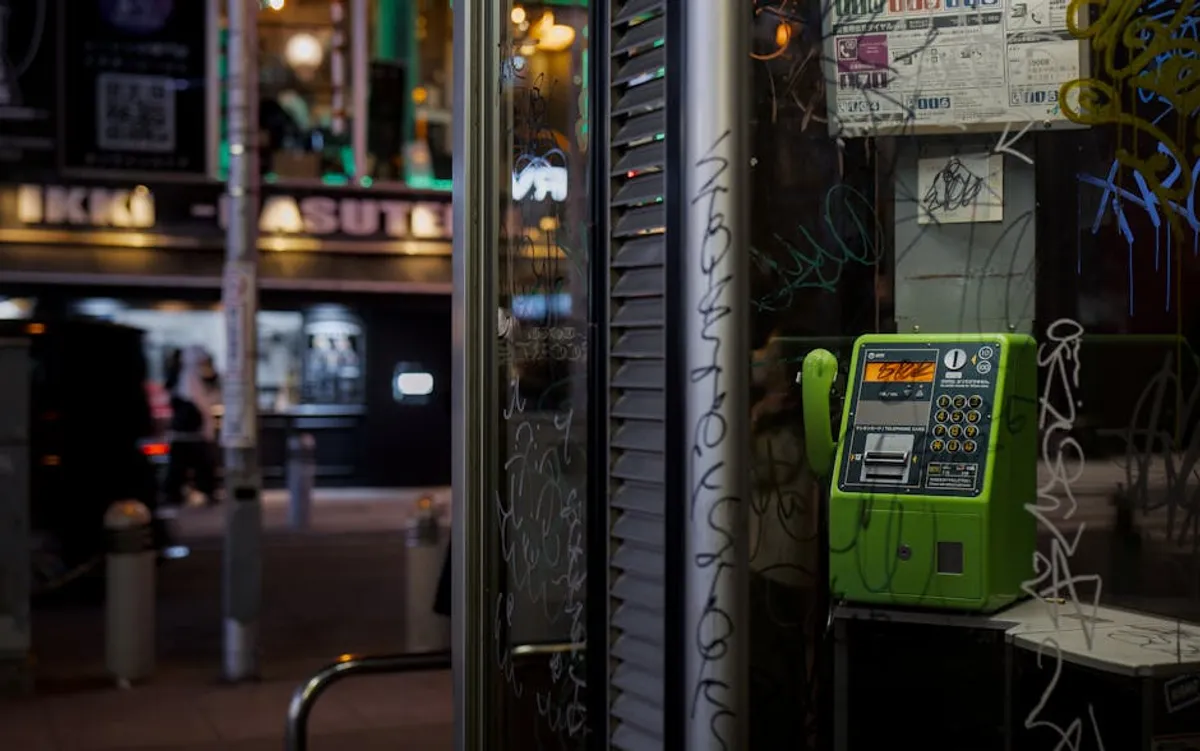
Night photography in urban settings leverages artificial light sources—streetlights, neon signs, vehicle headlights, building illuminations—to create dramatic and atmospheric images. A specific technique involves using long exposures to transform moving vehicle lights into vibrant streaks or "light trails," conveying a sense of motion and energy. This approach often results in high-contrast images with deep shadows and glowing highlights, emphasizing the city's nocturnal pulse.
Best For: Tourism campaigns showcasing nightlife, automotive advertising, event promotion, luxury brand content, and editorial features on urban entertainment or infrastructure.
Pros:
- Creates visually stunning and dramatic images with unique moods.
- Offers a distinct perspective of a city compared to daytime photography.
- Light trails add dynamism and a sense of movement to static cityscapes.
- Can transform ordinary scenes into captivating visual narratives.
Cons:
- Requires specialized equipment like a sturdy tripod and often a remote shutter release.
- Technically challenging to achieve proper exposure and sharp focus in low light.
- Weather conditions (rain, fog) can complicate shooting and impact image quality.
- Requires patience for long exposures and waiting for optimal traffic flow for light trails.
Verdict: Night photography, especially with light trails, delivers high-impact, atmospheric visuals that effectively convey a city's energy after dark. Its technical demands are offset by its commercial appeal for specific campaigns.
7. Public Art and Murals
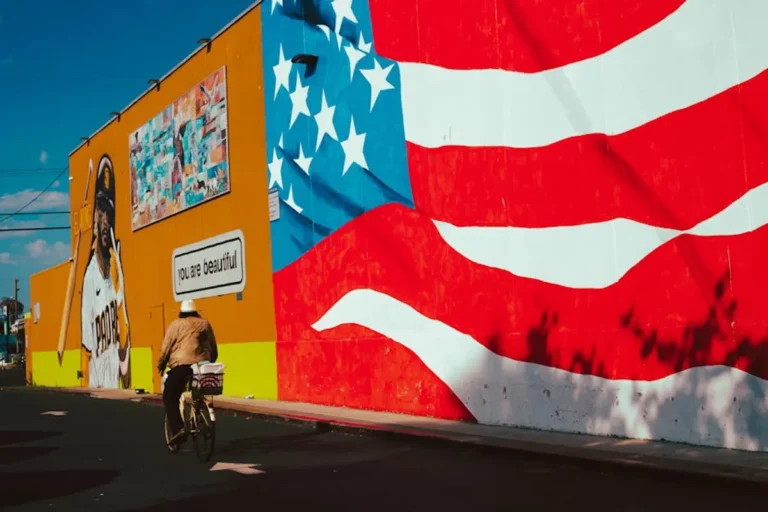
This idea focuses on documenting the vibrant public art, graffiti, and murals that adorn urban spaces. These artworks often reflect local culture, social commentary, or artistic expression, adding color and character to city walls. The photography aims to capture the artwork itself, its context within the urban environment, and sometimes the interaction of people with the art. It's about celebrating the creativity and cultural tapestry of a city.
Best For: Cultural tourism, local guides, art blogs, community engagement campaigns, and content promoting urban revitalization or creative industries.
Pros:
- Highlights unique cultural aspects and local identity of a city.
- Provides vibrant, colorful, and often thought-provoking visual content.
- Can be used to tell stories about artists, communities, and social movements.
- Offers accessible subjects that are often publicly visible and static.
Cons:
- Legal considerations regarding copyright for public art can arise, especially for commercial use.
- Artwork can be temporary or subject to vandalism, requiring timely capture.
- Challenging to photograph large murals evenly without distortion or distracting elements.
- May require research to understand the art's context and significance.
Verdict: Public art photography offers a culturally rich and visually dynamic way to showcase a city's unique character. While copyright must be considered, it provides accessible, engaging content for cultural and community-focused campaigns.
8. Reflections and Puddles
Utilizing reflective surfaces—such as glass buildings, wet streets, or puddles—to create unique perspectives and distorted realities of the urban environment. This technique involves finding interesting angles that capture reflections of cityscapes, architecture, or street scenes, often creating symmetrical compositions or surreal, inverted images. Puddles, in particular, offer a low-angle, natural mirror that can transform an ordinary street scene into something more artistic and intriguing.
Best For: Artistic photography, creative advertising, conceptual content, social media feeds focused on unique perspectives, and editorial pieces exploring urban aesthetics.
Pros:
- Creates visually stunning and often surreal images that grab attention.
- Transforms ordinary scenes into extraordinary visual opportunities.
- Offers a fresh, less common perspective on familiar urban landmarks.
- Can add depth and complexity to compositions through layering and distortion.
Cons:
- Highly dependent on weather conditions (rain for puddles) or specific architectural features.
- Can be challenging to achieve sharp focus on both the reflection and the original scene.
- Reflections can be easily overexposed or washed out by bright light sources.
- Requires careful composition to avoid distracting elements in the reflection.
Verdict: Photography using reflections and puddles offers a highly creative way to capture unique urban visuals. While dependent on specific conditions, it delivers distinctive, artistic content that stands out in visual feeds.
9. Motion Blur and Panning
Motion blur involves using a slower shutter speed to intentionally blur moving elements while keeping static elements sharp, conveying a sense of speed and dynamism. Panning is a specific motion blur technique where the camera tracks a moving subject (e.g., a cyclist, car) at a slow shutter speed, resulting in a sharp subject against a blurred background, emphasizing its movement. Both techniques infuse images with energy and a feeling of activity.
Best For: Automotive advertising, sports and fitness content, event photography, dynamic social media posts, and editorial features on urban transport or fast-paced city life.
Pros:
- Creates dynamic, energetic images that convey speed and movement.
- Adds a sense of excitement and urgency to urban scenes.
- Effectively draws the viewer's eye to the moving subject.
- Can transform mundane elements (e.g., a passing bus) into artistic focal points.
Cons:
- Technically challenging, requiring practice to achieve consistent results.
- Requires precise timing and camera movement for effective panning.
- Often results in a high discard rate due to missed focus or uneven blur.
- Less effective for static subjects or scenes where motion is not the primary focus.
Verdict: Motion blur and panning are powerful techniques for injecting dynamism into urban photography. While requiring technical skill, they produce visually engaging content ideal for conveying energy and movement in commercial applications.
10. Urban Decay and Abandoned Spaces
This idea explores the aesthetic of neglected or abandoned urban structures, focusing on textures, peeling paint, rust, broken glass, and the interplay of natural light with decaying materials. It highlights the beauty in decline, telling stories of forgotten histories and the passage of time. The mood is often melancholic, gritty, or mysterious, appealing to those interested in history, architecture, or a more raw, unfiltered view of the city.
Best For: Niche travel blogs, historical content, artistic photography, editorial features on urban exploration or regeneration, and content for brands with a rugged or vintage aesthetic.
Pros:
- Offers unique, often hauntingly beautiful visuals with strong character.
- Provides a distinct narrative about history, neglect, and the cycle of urban life.
- Less common subject matter, allowing for highly differentiated content.
- Textures and patinas provide rich visual detail for close-up shots.
Cons:
- Access to abandoned sites can be legally restricted or dangerous.
- Safety concerns due to unstable structures, hazardous materials, or security.
- Can be perceived as depressing or negative by some audiences.
- Requires careful post-processing to enhance textures and mood without overdoing it.
Verdict: Urban decay photography offers a powerful, evocative aesthetic for specific audiences. While access and safety are concerns, it provides highly unique and narrative-rich visuals for niche content strategies.
11. Shadow Play
Shadow play involves using strong sunlight or artificial light to create dramatic patterns, shapes, and contrasts with shadows cast by urban structures, people, or objects. The shadow itself becomes the subject, transforming ordinary scenes into abstract compositions. This technique emphasizes form, geometry, and the interplay of light and dark, adding depth and mystery to images without relying on color.
Best For: Artistic photography, graphic design elements, minimalist branding, social media feeds focused on aesthetics and composition, and editorial content exploring visual perception.
Pros:
- Creates visually striking and often abstract compositions from everyday scenes.
- Emphasizes form, texture, and drama through high contrast.
- Can transform mundane subjects into compelling visual art.
- Less reliant on expensive equipment, focusing on observation and timing.
Cons:
- Highly dependent on specific lighting conditions (strong, directional light).
- Requires a keen eye for composition to identify and frame compelling shadow patterns.
- Can be challenging to achieve proper exposure for both highlights and shadows.
- May lack immediate narrative or human connection if not combined with other elements.
Verdict: Shadow play offers a sophisticated, minimalist approach to urban photography, creating dramatic and abstract visuals. It's particularly effective for brands seeking clean, high-contrast aesthetics and strong compositional elements.
12. High Contrast Black and White
Converting urban photographs to high-contrast black and white emphasizes form, texture, light, and shadow, stripping away the distraction of color. This approach lends a timeless, dramatic, and often gritty feel to city scenes, highlighting architectural lines, human expressions, and the interplay of light and dark. It forces the viewer to focus on the fundamental elements of composition and subject matter, often enhancing emotional impact.
Best For: Fine art photography, editorial features with a classic or dramatic tone, historical content, minimalist branding, and social media feeds aiming for a sophisticated, timeless aesthetic.
Pros:
- Creates timeless, classic, and often dramatic visuals.
- Highlights form, texture, and composition without color distractions.
- Can evoke strong emotions and a sense of nostalgia or gravitas.
- Effective for unifying diverse subjects under a consistent visual style.
Cons:
- Requires careful consideration of light and shadow, as color is removed.
- Some scenes rely heavily on color for impact and may lose appeal in monochrome.
- Post-processing skills are crucial for achieving effective contrast and tonal range.
- Can be perceived as less vibrant or engaging by audiences accustomed to color imagery.
Verdict: High-contrast black and white photography offers a powerful way to create timeless, dramatic urban visuals. It's ideal for content requiring a sophisticated, classic aesthetic, provided the original composition and lighting are strong enough to carry the image without color.
Maximizing Impact with Urban Photography
Selecting the right urban photography ideas is only the first step; their effective integration into a visual strategy determines their impact. For marketers and publishers, this means aligning the chosen photographic style with overall brand messaging and target audience preferences. For instance, a luxury travel brand might prioritize sophisticated urban landscapes and architectural details, while a community-focused blog might lean into candid street scenes and public art. Consistency in visual style across platforms reinforces brand identity.
Measuring success involves more than just aesthetic appreciation. Track engagement metrics such as click-through rates on image-rich content, social media shares and saves, time spent on pages featuring compelling visuals, and conversion rates where images support product or service offerings. A/B testing different photographic styles or specific ideas can provide data-driven insights into what resonates most with your audience. Ultimately, the most impactful urban photography is not just beautiful, but also strategically deployed to achieve measurable content and business objectives.
Frequently Asked Questions
Q: What equipment is essential for urban photography?
A: While a high-end camera isn't strictly necessary for all ideas, a versatile lens (e.g., a 24-70mm equivalent), a sturdy tripod for low-light or long-exposure shots, and potentially a prime lens for street portraits (e.g., 50mm f/1.8) are highly beneficial. A comfortable camera bag and extra batteries are also practical.
Q: Are there legal considerations when photographing people or public art in urban areas?
A: Yes. In many jurisdictions, photographing people in public spaces for editorial or personal use is generally permissible, but commercial use often requires a model release. For public art, copyright can be an issue; while photographing art in public is usually fine for personal use, commercial reproduction or distribution may require artist permission or be subject to specific laws like "freedom of panorama." Always research local laws and err on the side of caution.
Q: How do I find unique locations in a city for urban photography?
A: Beyond popular landmarks, explore less-traveled neighborhoods, industrial areas, or elevated viewpoints from parking garages or public buildings. Use online maps (satellite view), local photography groups, and even social media geotags (with discretion) for inspiration. Walking around with an open mind and observing the details can reveal hidden gems.
<