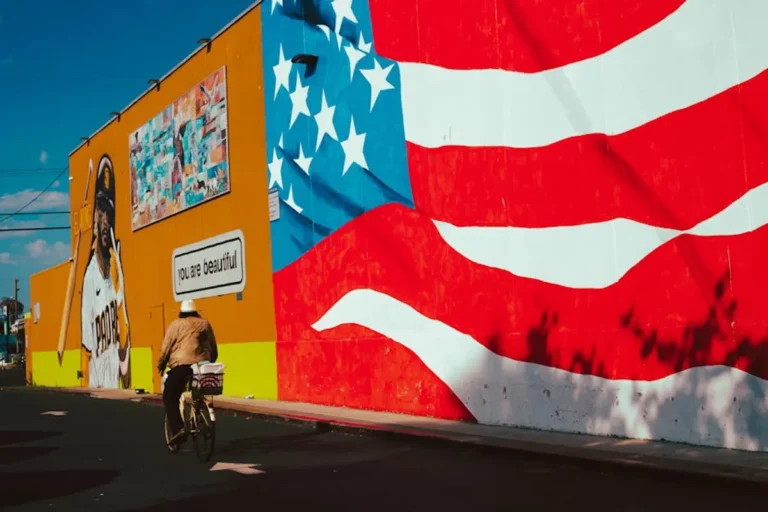

For local magazine sites, selecting the right cultural events to feature is a strategic decision that directly impacts audience engagement, community relevance, and commercial viability. The goal extends beyond simply listing dates; it involves identifying events that resonate deeply with the local demographic, offer diverse content opportunities, and can be leveraged for partnerships or monetization. This selection process requires an understanding of what makes an event not just popular, but also sustainable as a content pillar for a digital publication.
What to Look For in a Cultural Event Feature
When evaluating cultural events for editorial coverage, consider several key factors that contribute to their overall value for a local magazine site. Prioritize events that offer more than a fleeting news cycle.
- Audience Resonance and Local Identity: Does the event authentically reflect the community's interests, history, or demographics? Events that tap into local pride or address specific community needs tend to generate higher engagement. Look for unique local traditions or emerging cultural trends specific to your area.
- Content Richness and Diversity: Can the event support multiple types of content? Think beyond a single article. Consider opportunities for interviews (organizers, artists, attendees), photo essays, video segments, historical context pieces, or even user-generated content campaigns. Events with visual appeal or compelling narratives are particularly valuable.
- Commercial and Partnership Potential: Does the event attract local businesses or have sponsorship opportunities? Can the magazine site offer promotional packages, affiliate links for tickets/merchandise, or co-create content with organizers? Events that draw significant foot traffic or have established local vendor participation often present these avenues.
- Longevity and Repeatability: Is the event an annual fixture, or does it occur regularly? Recurring events allow for evergreen content updates, year-over-year comparisons, and building a consistent audience expectation. One-off events should offer exceptionally unique angles to justify coverage.
- Accessibility and Inclusivity: Is the event accessible to a broad range of community members, including those with varying income levels, physical abilities, or cultural backgrounds? Inclusive events broaden your potential audience and reinforce the magazine's role as a community hub.
- Logistical Feasibility for Coverage: Can your team realistically cover the event effectively? Consider access for photography, interview opportunities, and the ease of gathering necessary information. Complex or highly restricted events may yield less return on effort.
1. Local Music Festivals
Local music festivals, ranging from small indie showcases to multi-genre outdoor events, consistently draw diverse crowds and generate significant community buzz. Their appeal lies in the dynamic atmosphere, the discovery of local talent, and the social gathering aspect. For a local magazine, these festivals offer a wealth of content opportunities, from artist profiles and performance reviews to behind-the-scenes glimpses and attendee experiences. They often serve as a cultural anchor for a community, creating a strong sense of place and shared experience.
Best for: Sites targeting younger demographics, those interested in entertainment and nightlife, and publications aiming to highlight emerging local talent. Ideal for generating high visual content and social media engagement.
Pros: High engagement potential; diverse content angles (interviews, photo galleries, reviews); significant social media traction; opportunities for ticket affiliate sales or event sponsorships; strong community interest and repeat attendance.
Cons: Highly seasonal; intense competition for coverage; requires significant on-site presence for effective reporting; potential for logistical challenges with access and scheduling; reliant on weather for outdoor events.
Verdict: A cornerstone for local cultural coverage, offering high impact and broad appeal, but demanding robust planning and execution to stand out.
2. Art Exhibitions and Gallery Openings
Art exhibitions, whether at established galleries, pop-up spaces, or public venues, provide a window into a community's creative pulse. These events appeal to a more discerning audience interested in visual arts, intellectual discourse, and local artistic expression. Featuring them allows a local magazine to position itself as a patron of the arts, offering critical reviews, artist interviews, and insights into the creative process. The visual nature of art makes it highly suitable for rich photographic content and engaging online presentations.
Best for: Magazines with an emphasis on culture, lifestyle, and local creative industries. Attracts an audience interested in intellectual and aesthetic content, often with higher disposable income.
Pros: Visually rich content; opportunities for in-depth artist interviews and curatorial insights; appeals to a sophisticated, engaged audience; potential for exclusive previews or behind-the-scenes access; supports local artists and cultural institutions.
Cons: Niche appeal compared to broader entertainment; may require specialized knowledge for critical review; can be less frequent than other event types; limited direct monetization opportunities beyond advertising or sponsored content.
Verdict: Essential for establishing cultural authority and supporting local artists, offering depth and visual appeal, though potentially with a narrower audience reach.
3. Historical Society Events and Reenactments
Events organized by local historical societies, including lectures, walking tours, museum exhibits, and historical reenactments, tap into a community's heritage and sense of identity. These events offer educational value and a connection to the past, appealing to residents interested in local history, genealogy, and preservation. For a local magazine, they provide opportunities for evergreen content, historical deep dives, and showcasing the unique stories that define the area. The content can be highly narrative-driven and resonate across generations.
Best for: Publications aiming to build community pride, educate residents on local heritage, and attract an audience interested in history, education, and preservation.
Pros: Strong community connection and pride; evergreen content potential (historical articles, profiles); appeals to an intergenerational audience; opportunities for expert interviews (historians, archivists); supports local historical institutions.
Cons: Can sometimes be perceived as less dynamic or "exciting" by younger demographics; attendance might be smaller than high-energy events; content may require extensive research to be authoritative; limited direct commercial opportunities.
Verdict: A valuable niche for building community identity and offering educational, long-form content, particularly effective for sites with a strong focus on local heritage.
4. Food and Drink Festivals
Food and drink festivals, encompassing everything from craft beer tastings to international cuisine celebrations, are perennial crowd-pleasers. They combine sensory experiences with social interaction, making them highly engaging. These events are a goldmine for local magazines due to their universal appeal and commercial potential. Coverage can include vendor spotlights, recipe features, chef interviews, and guides to local culinary scenes. The focus on local producers and restaurateurs also strengthens community ties.
Best for: Broad audience appeal, especially those interested in lifestyle, dining, and local businesses. High potential for commercial partnerships with vendors and event organizers.
Pros: Universal appeal and high attendance; strong visual content (food photography); numerous commercial opportunities (sponsored content, vendor spotlights, affiliate sales); supports local businesses and culinary talent; diverse content angles (recipes, reviews, interviews).
Cons: Highly competitive for media coverage; can be expensive for attendees, potentially limiting reach; often seasonal; requires robust planning for comprehensive coverage due to multiple vendors/activities.
Verdict: A high-yield event type for engagement and commercialization, offering broad appeal and diverse content, but demanding competitive differentiation in coverage.
5. Community Theater and Performing Arts
Local theater productions, dance recitals, and other performing arts events showcase regional talent and offer unique storytelling experiences. These events foster a dedicated audience that values live performance and artistic expression. Featuring them allows a local magazine to highlight local actors, directors, and playwrights, providing reviews, interviews, and behind-the-scenes features. It positions the publication as a supporter of the local arts scene and a resource for cultural enrichment.
Best for: Magazines focused on arts and culture, community engagement, and supporting local talent. Appeals to an audience seeking immersive, live entertainment and cultural enrichment.
Pros: Highlights local talent and creativity; opportunities for in-depth reviews and artist interviews; builds a loyal, engaged audience; supports local arts organizations; provides unique, narrative-driven content.
Cons: Niche audience compared to mass-appeal events; production schedules can be sporadic; limited commercial opportunities beyond ticket sales promotion; requires knowledgeable reviewers for credible coverage.
Verdict: Crucial for cultivating a sophisticated cultural readership and supporting local artistic endeavors, offering depth and critical engagement for a dedicated audience.
6. Public Art Installations and Murals
Public art, including large-scale murals, sculptures, and temporary installations, transforms urban landscapes and sparks public dialogue. These are unique because they are often freely accessible and provide ongoing visual interest. A local magazine can cover the creation process, interview the artists, discuss the meaning behind the art, and even create walking tours or interactive maps. Public art generates lasting content that can be revisited and updated, engaging both residents and tourists.
Best for: Publications focused on urban development, design, visual arts, and community beautification. Excellent for visually driven content and evergreen features.
Pros: Highly visual and shareable content; accessible to all community members; offers evergreen content potential (walking tours, artist profiles); sparks community discussion and engagement; supports local artists and urban revitalization efforts.
Cons: May not have a specific "event" date for initial coverage, requiring proactive content creation; can be subject to public debate or controversy; limited direct commercial opportunities; may require long-term follow-up for impact assessment.
Verdict: A strong choice for visually compelling, evergreen content that contributes to community identity and urban aesthetics, requiring proactive editorial planning.
7. Farmers Markets with Artisan Crafts
While primarily commercial, farmers markets often serve as significant cultural hubs, especially when they incorporate local artisan crafts, live music, and community programming. These events celebrate local agriculture, craftsmanship, and small businesses. A local magazine can feature vendor profiles, seasonal recipe ideas, craft spotlights, and stories about sustainable living. They offer consistent content opportunities throughout growing seasons and connect the audience directly with local producers and makers.
Best for: Publications emphasizing local commerce, sustainable living, community connection, and artisanal goods. Appeals to an audience interested in local products and direct support for small businesses.
Pros: Consistent, recurring content opportunities; strong community connection and support for local businesses; diverse content (food, crafts, profiles); potential for sponsored vendor features; family-friendly and accessible.
Cons: Can be perceived as less "cultural" than other events; highly seasonal; requires consistent effort to find fresh angles for recurring coverage; limited "event" specific buzz compared to festivals.
Verdict: A reliable source of community-focused, commercially viable content that supports local economies and offers ongoing engagement opportunities.
8. Local Author Readings and Book Signings
Author readings and book signings, hosted by independent bookstores, libraries, or community centers, provide intimate cultural experiences. These events appeal to readers, writers, and those interested in intellectual discourse and local literary scenes. A local magazine can offer author interviews, book reviews, excerpts, and coverage of the Q&A sessions. This type of content fosters a sense of intellectual community and supports local literary talent and independent booksellers.
Best for: Sites targeting literary enthusiasts, intellectual audiences, and those interested in local authors and independent bookstores. Builds credibility as a cultural and intellectual resource.
Pros: Appeals to an engaged, intellectual audience; opportunities for in-depth author interviews and book reviews; supports local literary community and independent bookstores; provides thoughtful, narrative-driven content; potential for book affiliate sales.
Cons: Niche appeal; attendance can be smaller; events may be sporadic; requires advance planning to secure interviews and review copies; direct commercial opportunities are limited.
Verdict: Excellent for cultivating an intellectual readership and supporting the local literary scene, offering rich narrative content and author insights.
9. Cultural Heritage and Ethnic Festivals
Festivals celebrating specific cultural heritages or ethnic communities are vibrant showcases of diversity, tradition, and global connections within a local context. These events feature traditional music, dance, food, crafts, and educational displays. For a local magazine, they offer a powerful way to celebrate diversity, promote understanding, and engage a broad spectrum of the community. Content can include interviews with community leaders, historical context, traditional recipes, and photo essays of performances.
Best for: Publications aiming to celebrate diversity, promote inclusivity, and engage various ethnic communities within their readership. High potential for visually rich and educational content.
Pros: Celebrates community diversity and inclusivity; high visual appeal (costumes, performances, food); strong educational component; appeals to a broad, intergenerational audience; opportunities for interviews with community leaders and cultural experts.
Cons: May require careful cultural sensitivity in reporting; often seasonal; can be logistically complex to cover multiple stages or activities; competition for media attention, especially for larger festivals.
Verdict: Crucial for reflecting community diversity and fostering cultural understanding, offering vibrant and educational content with broad appeal.
10. Independent Film Screenings and Festivals
Independent film screenings and local film festivals cater to cinephiles and those interested in alternative storytelling and local filmmaking talent. These events often feature Q&As with directors and actors, workshops, and opportunities for networking. A local magazine can cover film reviews, filmmaker interviews, festival highlights, and discussions on the local film industry. This positions the publication as a supporter of independent cinema and a resource for film enthusiasts.
Best for: Magazines with a focus on arts, entertainment, and local creative industries. Attracts an audience interested in film criticism, emerging talent, and unique cinematic experiences.
Pros: Highlights local filmmakers and cinematic talent; opportunities for film reviews and director interviews; appeals to a dedicated, engaged audience; supports local film culture; provides thought-provoking, critical content.
Cons: Niche audience; events can be sporadic or limited to specific venues; potential for limited direct commercial opportunities; requires knowledgeable reviewers for credible film criticism.
Verdict: Effective for cultivating a film-savvy readership and supporting the local independent film scene, offering critical insights and exclusive access to creators.
11. Educational Workshops and Skill-Share Events
Cultural workshops, ranging from traditional craft classes to local history seminars or language lessons, provide hands-on learning experiences. These events appeal to individuals seeking personal enrichment, skill development, and community connection. A local magazine can feature workshop reviews, interviews with instructors, skill-building guides, and spotlights on unique local traditions being taught. This content offers practical value and positions the publication as a resource for lifelong learning and community engagement.
Best for: Publications focused on personal development, lifelong learning, community engagement, and local traditions. Appeals to an audience seeking practical skills and enriching experiences.
Pros: Offers practical value and skill development; appeals to an engaged, self-improvement oriented audience; opportunities for instructor interviews and step-by-step guides; supports local artisans and educators; can be recurring.
Cons: May not generate high "buzz" compared to festivals; attendance can be smaller; content might require a hands-on approach for effective coverage; limited direct commercial opportunities beyond promoting event registrations.
Verdict: Valuable for providing practical, enriching content that fosters community skills and lifelong learning, positioning the magazine as a useful educational resource.
12. Holiday-Themed Parades and Celebrations
Seasonal parades and holiday celebrations (e.g., Fourth of July, Halloween, Christmas) are deeply ingrained in community traditions and draw large, diverse crowds. These events are highly visual, family-friendly, and generate widespread local enthusiasm. A local magazine can cover the event planning, participant profiles, historical context of traditions, and photo essays of the festivities. They offer consistent, high-impact content opportunities that resonate with a broad audience and reinforce community spirit.
Best for: Broad audience appeal, especially families and those interested in community traditions. Excellent for high-volume, visually driven content and seasonal engagement.
Pros: High visibility and broad community participation; strong visual content (parade floats, costumes); appeals to a wide, intergenerational audience; opportunities for participant interviews and historical features; consistent annual content.
Cons: Highly seasonal; intense competition for media coverage; requires significant on-site presence for effective reporting; logistical challenges with crowd control and access; content can become repetitive if not approached with fresh angles annually.
Verdict: A reliable source of high-impact, family-friendly content that reinforces community traditions and generates widespread engagement, demanding creative annual coverage.
Measuring Success and Choosing the Right Events
After featuring cultural events, evaluating their impact is crucial for refining your content strategy. Track metrics such as page views on event-related articles, engagement rate (comments, shares), and referral traffic to event organizer sites. Monitor social media mentions and reach for event-specific posts. For commercial goals, assess click-through rates on affiliate links or inquiries for sponsored content related to events.
Choosing the "right" events ultimately depends on your local magazine site's specific audience demographics, editorial mission, and commercial objectives. A balanced approach often involves a mix of high-impact, broad-appeal events for traffic generation and niche events that build cultural authority and cater to specific, engaged segments of your readership. Prioritize events that align with your publication's voice and offer unique storytelling opportunities that your competitors might overlook. Building relationships with event organizers and local cultural institutions can also provide exclusive access and collaborative content opportunities, further differentiating your coverage.
Frequently Asked Questions
How often should a local magazine feature cultural events?
The frequency depends on the density of cultural events in your area and your editorial capacity. Aim for a consistent presence, perhaps a weekly "upcoming events" roundup, coupled with more in-depth features on 2-4 significant events per month. Seasonal peaks like summer or holidays will naturally increase coverage.
How can smaller events compete with larger ones for coverage?
Smaller events often offer more intimate access, unique stories, and less competition. Focus on the human interest angles, the "why" behind the event, and the specific community impact. Exclusive interviews with organizers or participants, behind-the-scenes content, and highlighting unique aspects can give smaller events a distinct edge.
What kind of content works best for cultural events?
A mix of formats is ideal. Photo essays and video clips perform well for visual events. Interviews with organizers, artists, or attendees provide human interest. Event previews and "what to expect" guides generate early interest, while post-event recaps and reviews offer lasting value. Interactive content like polls or user-submitted photos can also boost engagement.
How can a local magazine monetize cultural event coverage?
Monetization can include selling sponsored content slots to event organizers or participating vendors, running display ads around event-related articles, using affiliate links for ticket sales or merchandise, and offering premium listings in event calendars. Co-hosting or co-promoting events in exchange for a revenue share or exclusive content rights are also viable strategies.