Selecting a city renowned for its mural art involves more than simply counting painted walls; it requires assessing the depth of artistic expression, the accessibility of the art, and the cultural context that supports its creation and preservation. For businesses in the travel, art, or cultural sectors, identifying these hubs can inform content strategy, destination marketing, or even product development. This analysis focuses on cities that have cultivated significant, visible, and often evolving mural landscapes, offering distinct experiences for enthusiasts, artists, and cultural tourists.
Factors to Consider When Evaluating Mural Cities
When assessing a city's standing as a mural destination, several criteria distinguish a vibrant scene from scattered artworks. Consider the density and scale of murals, which indicates a pervasive artistic presence rather than isolated pieces. The diversity of artistic styles and themes reflects a broad creative community and varied narratives, appealing to a wider audience. Accessibility is crucial; murals should be reasonably easy to locate and view, whether through organized tours, public art maps, or spontaneous discovery. The level of community engagement and support, including public art programs, local festivals, and artist residencies, often correlates with the longevity and dynamism of a city’s mural culture. Finally, the historical and cultural significance of the murals themselves can elevate a city, transforming painted walls into chroniclers of local identity and global movements.
1. Philadelphia, USA
Philadelphia stands as a foundational city for public art, particularly murals, largely due to the Mural Arts Philadelphia program. This initiative, originating from an anti-graffiti effort in the 1980s, has evolved into a nationally recognized model for community-engaged art, resulting in over 4,000 murals across the city. The sheer volume and pervasive nature of these artworks mean that murals are an integral part of the urban fabric, often reflecting local histories, social justice themes, and neighborhood identities. The program's emphasis on collaboration with residents ensures that many murals resonate deeply with the communities they inhabit.
Best For: Experiencing a city where public art is deeply embedded in community development and social narrative. Ideal for those interested in the civic impact of art.
Pros: Extensive collection with high density; strong programmatic support for creation and preservation; diverse themes and artistic styles; accessible via tours and self-guided exploration; many murals tell specific local stories.
Cons: Some murals are in less accessible residential areas; the focus on community themes might sometimes overshadow purely aesthetic innovation; ongoing maintenance is a perpetual challenge for such a large inventory.
Verdict: Philadelphia offers a robust, institutionally supported mural landscape that prioritizes community narrative and social impact, making it a benchmark for public art integration.
2. Berlin, Germany
Berlin's street art scene is a direct reflection of its complex history, particularly its post-Cold War identity. The city's once-divided landscape became a canvas for political commentary, artistic expression, and cultural rebellion. Areas like Kreuzberg, Friedrichshain, and Mitte are dense with murals, ranging from large-scale figurative works to abstract pieces and politically charged statements. The East Side Gallery, a preserved section of the Berlin Wall, is itself a monumental open-air gallery of murals, drawing millions annually. Berlin's scene is characterized by its transient nature, with new works appearing and older ones evolving or disappearing, reflecting a dynamic urban environment.
Best For: Exploring murals with significant historical and political context, alongside contemporary artistic experimentation. Suited for those interested in art as social commentary.
Pros: Rich historical context, especially post-division; high concentration of art in specific neighborhoods; diverse international and local artists; dynamic and ever-changing street art landscape; the East Side Gallery offers a unique historical mural experience.
Cons: Some pieces can be ephemeral, making repeat visits unpredictable; quality varies widely; navigating the most significant works can require local knowledge or guided tours.
Verdict: Berlin provides a raw, politically charged, and historically significant mural experience, where art often serves as a living document of urban change and collective memory.
3. Miami, USA
Miami's Wynwood Arts District transformed from a neglected warehouse district into a global street art destination, primarily driven by the Wynwood Walls project initiated in 2009. This curated outdoor gallery showcases large-scale works by internationally renowned street artists, acting as a catalyst for surrounding businesses and independent artists. Beyond Wynwood Walls, the broader district and adjacent areas feature numerous murals on commercial buildings, creating a vibrant, walkable art experience. The scene is characterized by bold colors, contemporary styles, and a strong commercial presence, drawing a large tourist demographic.
Best For: Experiencing a highly curated, commercially successful street art district with international acclaim. Ideal for those seeking vibrant, accessible, and large-scale contemporary works.
Pros: High concentration of world-class murals; easy walkability within Wynwood; strong tourist infrastructure (galleries, shops, restaurants); attracts major international artists; vibrant, energetic atmosphere.
Cons: Can feel overly commercialized; high visitor traffic, especially during peak season; art is predominantly concentrated in one district, though expanding; some local artists feel priced out.
Verdict: Miami's Wynwood district exemplifies a successful model of urban regeneration through curated street art, offering a visually impactful and accessible experience, albeit with a commercial overlay.
4. Buenos Aires, Argentina
Buenos Aires boasts a prolific mural scene, distinguished by its artistic freedom, political undertones, and community involvement. Murals here often reflect Argentina's social and political history, including periods of dictatorship, economic crises, and social movements. Neighborhoods like La Boca, Palermo, and Colegiales are particularly rich in street art. The city's permissive attitude towards street art, coupled with a strong artistic tradition, has fostered a dynamic environment where large-scale figurative and abstract works flourish. Many murals are commissioned by local businesses or community groups, ensuring a connection to the urban context.
Best For: Exploring murals that blend artistic expression with social and political commentary, often on a grand scale. Suitable for those interested in Latin American art and urban narratives.
Pros: High artistic quality and scale; deep social and political relevance; supportive legal framework for street art; diverse styles and techniques; many works are easily accessible in public spaces.
Cons: Some areas can be spread out, requiring transportation; the sheer volume can be overwhelming without guidance; maintenance varies by piece and location.
Verdict: Buenos Aires offers a rich, often poignant, mural landscape that serves as both a vibrant artistic display and a powerful medium for cultural and political expression.
5. Lisbon, Portugal
Lisbon has emerged as a significant street art hub, characterized by its vibrant colors, diverse styles, and integration into the city's historic architecture. The city's hilly terrain and narrow streets provide unique canvases, with murals often appearing on building facades, abandoned structures, and public staircases. The legal framework is relatively liberal, allowing for commissioned works and, in some areas, sanctioned free expression. Artists like Vhils, known for his distinctive carving technique, have gained international recognition from their origins in Lisbon's scene. Areas like Bairro Alto, Graça, and the LX Factory are particularly dense with notable pieces.
Best For: Discovering murals that blend with historic urban landscapes and exhibit innovative techniques. Ideal for those who appreciate art integrated into unique architectural settings.
Pros: Unique integration with historic architecture; permissive legal environment; strong presence of internationally recognized artists; diverse artistic styles; good walkability in many mural-rich areas.
Cons: Some significant works can be spread across different neighborhoods; the hilly topography can make exploration physically demanding; certain pieces are temporary due to urban development.
Verdict: Lisbon provides a visually engaging mural experience where contemporary street art harmonizes with the city's historical charm, showcasing both local talent and global trends.
6. Mexico City, Mexico
Mexico City is a historical epicenter of muralism, tracing its roots back to the early 20th-century Mexican Muralist movement with figures like Diego Rivera, David Alfaro Siqueiros, and José Clemente Orozco. These monumental works, often found in public buildings, depict Mexico's history, revolution, and indigenous heritage. Beyond these historical masterpieces, the city also boasts a thriving contemporary street art scene, particularly in neighborhoods like Roma Norte and Condesa. This duality offers a unique perspective on muralism's evolution from state-sponsored art to grassroots expression, maintaining its role as a public narrative tool.
Best For: Exploring the historical foundations of muralism alongside a dynamic contemporary street art scene. Essential for those interested in the political and cultural history of public art.
Pros: Unparalleled historical significance from the Mexican Muralist movement; impressive scale and artistic quality of historical works; vibrant contemporary scene in various neighborhoods; art often tells deep cultural and political stories; accessible public buildings house many historical murals.
Cons: Historical and contemporary scenes are geographically distinct, requiring separate exploration; some historical murals are within government buildings with specific access hours; traffic can complicate travel between sites.
Verdict: Mexico City offers a comprehensive journey through the history and present of muralism, showcasing its power as a medium for national identity and contemporary expression.
7. Bristol, UK
Bristol has cultivated a reputation as a leading European street art city, largely influenced by its association with anonymous artist Banksy, who originated there. Beyond Banksy's iconic works, the city is a canvas for a broad spectrum of street artists, with new pieces constantly appearing. The annual Upfest festival, Europe's largest street art festival, further cements Bristol's status, drawing artists and visitors from around the world. The scene is characterized by its independent spirit, diverse styles, and often witty or satirical commentary, particularly concentrated in areas like Stokes Croft and Bedminster.
Best For: Discovering a dynamic, artist-driven street art scene with a strong independent spirit and satirical edge. Ideal for those interested in contemporary urban art trends and Banksy's origins.
Pros: Strong association with influential artists; host of a major international street art festival; high density of diverse works in specific neighborhoods; art often features social commentary; relatively easy to explore on foot.
Cons: Some iconic pieces are subject to vandalism or deterioration; the ephemeral nature means works can disappear; reliance on specific events like Upfest for maximum impact.
Verdict: Bristol provides an authentic, grassroots street art experience, driven by a strong artistic community and a history of independent expression, making it a key destination for contemporary urban art.
8. Valparaíso, Chile
Valparaíso, a UNESCO World Heritage site, is renowned for its labyrinthine hills, colorful houses, and an omnipresent street art scene. The city's unique topography and bohemian culture have fostered an environment where murals and graffiti are an intrinsic part of its visual identity. Staircases, building facades, and public walls are adorned with art, ranging from intricate political statements to whimsical designs. The art often reflects the city's maritime history, social struggles, and vibrant local culture. Exploring Valparaíso's murals is an immersive experience, requiring navigating its steep, winding streets and funiculars.
Best For: Immersive exploration of murals integrated into a unique, historic urban landscape. Suitable for those who appreciate art as part of a city's architectural and cultural fabric.
Pros: Murals are deeply integrated into the city's unique architecture; vibrant and colorful aesthetic; art often reflects local culture and history; excellent for walking exploration (though hilly); strong bohemian artistic community.
Cons: Hilly terrain can be challenging for some visitors; some areas can feel less safe at night; the informal nature of much of the art means quality varies.
Verdict: Valparaíso offers a truly unique mural experience where the art is inseparable from the city's distinctive topography and cultural identity, creating a living, open-air gallery.
9. Melbourne, Australia
Melbourne has established itself as a global street art capital, particularly known for its extensive network of laneways adorned with murals, stencils, and paste-ups. Unlike some cities where murals are large-scale public commissions, Melbourne's scene thrives in its intimate, often hidden, alleyways, creating a sense of discovery. Hosier Lane is perhaps the most famous, but dozens of other lanes throughout the CBD and inner suburbs like Fitzroy and Collingwood offer a constantly evolving canvas. The art here is typically unsanctioned but tolerated, reflecting a dynamic and often transient artistic expression.
Best For: Discovering a dense, dynamic, and often ephemeral street art scene within a modern urban environment. Ideal for those who enjoy the thrill of discovery in urban exploration.
Pros: High density of art in easily accessible laneways; constantly evolving and changing works; diverse range of styles and techniques (stencils, paste-ups, murals); strong creative community; integrated into a vibrant urban core.
Cons: Many works are temporary and can be painted over quickly; some laneways can be crowded with tourists; the scale of individual pieces is often smaller than in other mural cities.
Verdict: Melbourne delivers a highly interactive and ever-changing street art experience, where the art is an intrinsic part of the city's hidden urban spaces and creative pulse.
10. Los Angeles, USA
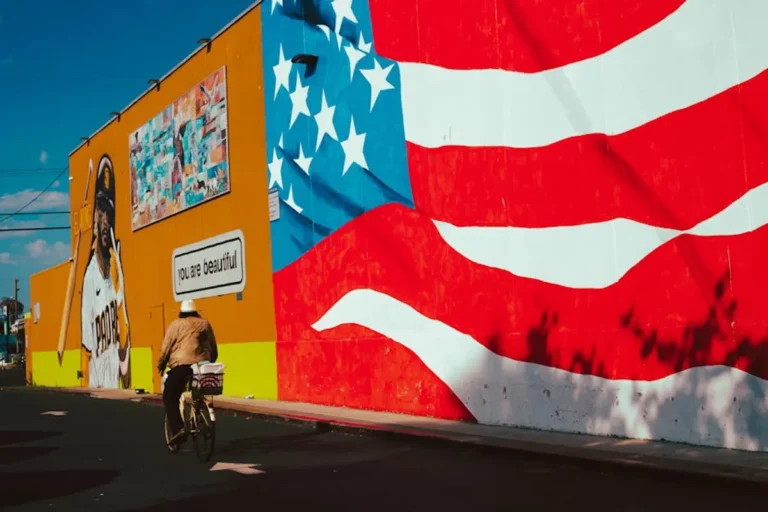
Los Angeles boasts a vast and diverse mural landscape, reflecting its sprawling geography and multicultural population. From the Chicano Mural Movement of the 1970s, which used murals as powerful tools for cultural identity and political activism in East LA, to contemporary street art in districts like the Arts District downtown, the city offers a wide spectrum. The sheer size of LA means murals are spread out, requiring intentional exploration, but this also contributes to their regional distinctiveness. Public art programs and private commissions continue to add to the city's extensive collection.
Best For: Exploring a geographically expansive mural scene with deep historical roots in cultural and political movements. Suited for those interested in the intersection of art, identity, and urban sprawl.
Pros: Rich historical context, particularly the Chicano mural tradition; vast and diverse collection across many neighborhoods; large-scale works often addressing social and cultural themes; ongoing creation through public and private initiatives.
Cons: Murals are widely dispersed, necessitating driving or extensive planning; some historical works are in areas less frequented by tourists; maintenance and preservation can be challenging across such a large area.
Verdict: Los Angeles presents a sprawling mural landscape that serves as a visual chronicle of its diverse communities and historical struggles, offering both monumental historical works and contemporary expressions.
11. George Town, Penang, Malaysia
George Town, another UNESCO World Heritage site, has gained international recognition for its charming and often interactive street art. The city's murals, particularly those by Lithuanian artist Ernest Zacharevic, blend painted figures with physical objects (like bicycles or swings), encouraging visitor engagement and photo opportunities. This approach has transformed the city into an open-air gallery, drawing significant tourism. Beyond these famous pieces, local artists contribute to a growing collection, often depicting scenes of local life, culture, and heritage, making the art deeply connected to the city's identity.
Best For: Experiencing interactive murals that blend art with physical elements, ideal for engaging with art in a playful, tourist-friendly manner. Perfect for cultural tourism content.
Pros: Highly interactive and photogenic murals; art is integrated into a charming historic city; easy walkability to many key pieces; strong appeal for tourists and social media engagement; art often reflects local culture and history.
Cons: Can be crowded around the most famous pieces; the interactive nature might overshadow deeper artistic critique; some pieces are showing wear due to exposure and interaction.
Verdict: George Town offers a uniquely interactive and culturally embedded mural experience, successfully leveraging street art to enhance its heritage tourism appeal.
12. São Paulo, Brazil
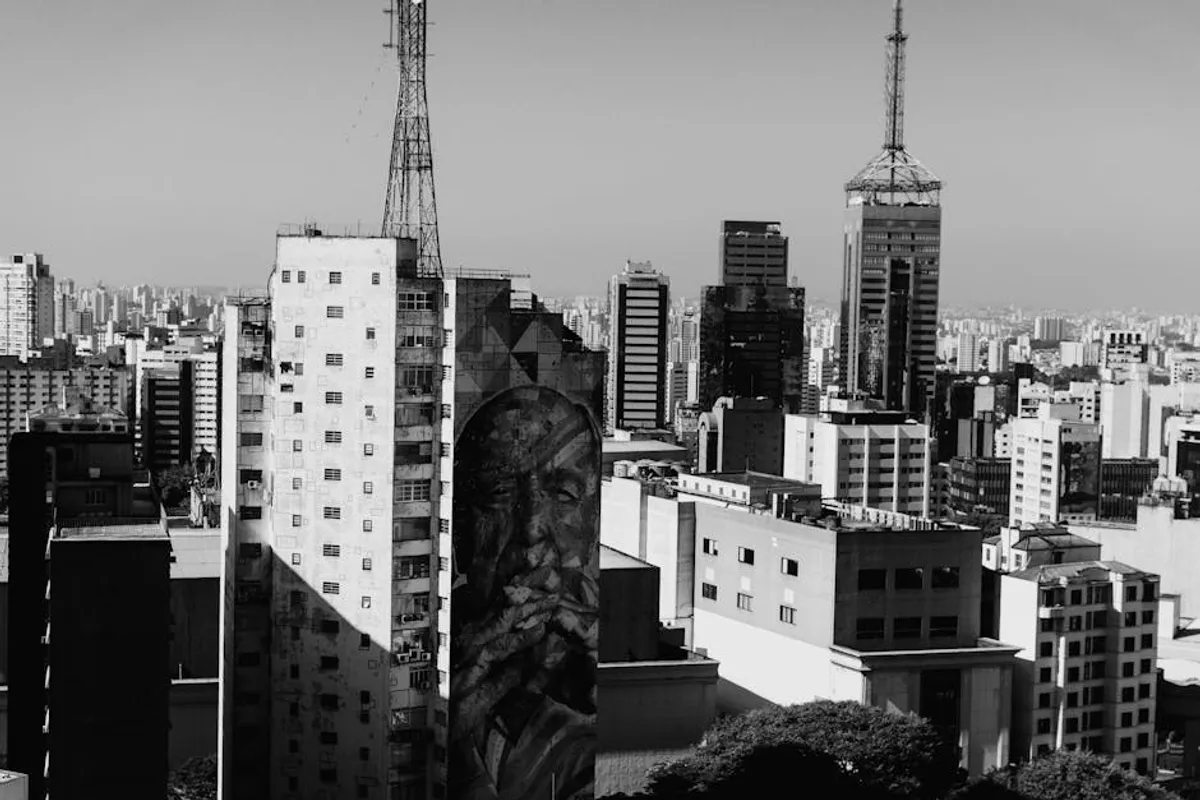
São Paulo is a sprawling metropolis with an incredibly vibrant and raw street art scene, often characterized by its sheer scale, expressive forms, and political edge. The city's complex social landscape and large population have fostered a prolific artistic community. Neighborhoods like Vila Madalena, particularly Batman Alley (Beco do Batman), are renowned for their ever-changing, high-density street art. São Paulo's scene is less about curated public art programs and more about organic, often unsanctioned, artistic expression, making it feel authentic and constantly evolving. Pixação, a unique form of Brazilian graffiti, also contributes to the city's distinctive visual identity.
Best For: Exploring a large-scale, raw, and often politically charged street art scene driven by independent artists. Ideal for those seeking a less institutionalized and more visceral urban art experience.
Pros: Enormous scale and volume of art; raw, authentic, and often politically charged expression; dynamic and constantly evolving; strong local artist community; areas like Batman Alley offer high density of works.
Cons: Art can be widely dispersed across a very large city; some areas might feel less safe for tourists; the ephemeral nature means works change frequently; Pixação can be controversial and less aesthetically accessible to some.
Verdict: São Paulo delivers an expansive and visceral mural experience, reflecting the city's social complexities and artistic energy through its raw and constantly evolving street art.
Evaluating a City's Mural Landscape for Commercial Opportunities
For marketing professionals, understanding a city's mural landscape extends beyond aesthetic appreciation to identifying commercial opportunities. This involves assessing the stability of the art scene: Are murals regularly maintained or replaced? Is there public or private funding? A city with strong public art programs indicates long-term commitment and potential for partnerships. Consider the audience demographics drawn to the murals; a highly touristed area like Wynwood suggests opportunities for art-related merchandise or guided tour services, while a scene focused on local narratives might appeal to niche cultural tourism. Analyze the art's themes and styles for content marketing angles, such as historical context, social commentary, or innovative artistic techniques. Finally, evaluate the digital footprint: how well are the murals documented online? Are there official maps, social media hashtags, or local art blogs that can be leveraged for visibility or collaboration?
Frequently Asked Questions About Mural Cities
What defines a "mural city"?
A mural city is characterized by a significant, visible, and often evolving collection of large-scale public artworks, typically painted on walls, that are an integral part of its urban landscape and cultural identity. This often includes strong community engagement, historical context, or a thriving artistic scene.
How can I find murals in these cities?
Many cities with strong mural scenes offer official public art maps, guided walking tours, or dedicated apps. Local tourism boards, art organizations, and even social media hashtags (e.g., #BerlinStreetArt, #PhillyMurals) are excellent resources for discovering current and notable works.
Are all murals permanent?
No. While some murals are commissioned with long-term preservation in mind, many street art pieces, especially those in dynamic urban environments, are ephemeral. They may be painted over, deteriorate due to weather, or be replaced by new works, reflecting the constantly evolving nature of street art.
What is the difference between graffiti and murals?
Generally, murals are large-scale, often planned or commissioned artworks that typically cover an entire wall and aim for public beautification or communication. Graffiti, while also street art, often refers to illicit, text-based markings or tags, though the distinction can blur with artistic graffiti. Many cities have specific legal frameworks for murals that differ from those for graffiti.
Do these cities support local artists?
Many cities with strong mural programs actively support local artists through commissions, grants, and public art initiatives. Cities like Philadelphia and Mexico City have historical programs designed to engage and empower local artistic talent, while others like Bristol and São Paulo have strong independent artist communities that drive their scenes.