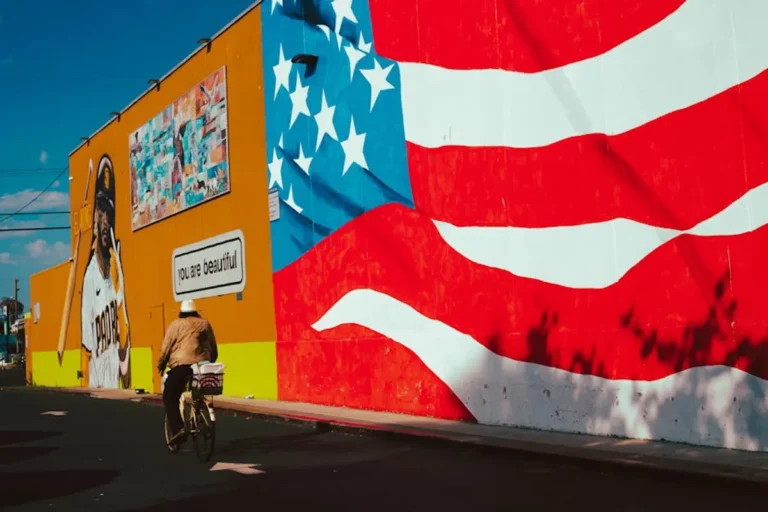

Effective social media engagement for artists, galleries, and art-focused businesses hinges on strategic hashtag use. Hashtags are not merely decorative additions; they function as a primary discovery mechanism, connecting content with relevant audiences who actively seek specific types of art, artists, or themes. For commercial entities, this translates directly to increased visibility, audience growth, and ultimately, sales opportunities. The challenge lies in moving beyond generic, high-volume tags to a nuanced selection that balances broad reach with targeted relevance, ensuring your art is seen by those most likely to appreciate, engage with, and purchase it.
How to Select Effective Art Hashtags
Selecting the right art hashtags involves understanding both your content and your target audience, alongside the specific dynamics of each social media platform. Begin by analyzing your art's core characteristics: its medium, style, subject matter, and the message it conveys. Research your intended audience – what terms do they use to find art like yours? Are they collectors, fellow artists, or general enthusiasts? Consider the volume and competition of hashtags; a mix of high-volume, broad terms and lower-volume, niche tags often yields the best results. High-volume tags offer wide exposure but intense competition, while niche tags provide higher relevance and engagement from a more dedicated audience. Regularly review platform analytics to identify which hashtags drive the most reach, impressions, and engagement, and adapt your strategy accordingly. The goal is not simply to use more hashtags, but to use the most effective ones for your specific objectives.
1. General Art Hashtags
These encompass broad, high-volume terms designed for maximum initial exposure across social media platforms. Examples include #art, #artist, #artwork, #painting, #drawing, #sculpture, and #creative. Their primary utility is to place content within the largest possible art-related feeds, serving as a foundational layer for discovery.
Best for: Achieving broad reach and initial visibility for any type of art, especially for new accounts or posts aiming for general public awareness.
Pros: High impression potential due to massive search volume; introduces content to a wide, undifferentiated audience; simple to implement.
Cons: Extremely high competition means content can quickly get lost in the feed; lower engagement rates due to lack of specific audience targeting; less likely to attract highly qualified leads or buyers.
Verdict: Essential for establishing a baseline presence, but insufficient on their own for driving targeted engagement or commercial outcomes. They should always be combined with more specific tags.
2. Medium-Specific Hashtags
These hashtags categorize art by the materials and techniques used in its creation. Examples include #oilpainting, #watercolorart, #acrylicpainting, #digitalart, #photography, #mixedmedia, #inkdrawing, and #ceramics. They directly address the "how" of the art, attracting those interested in particular artistic processes or forms.
Best for: Connecting with audiences, collectors, or fellow artists who have a specific interest in a particular art medium or technique.
Pros: Higher relevance to niche interests, leading to more qualified views and engagement; attracts dedicated followers and potential buyers seeking specific types of art; fosters community among artists working in the same medium.
Cons: Smaller audience pool compared to general art tags; requires accurate categorization to be effective; may not appeal to those with broader artistic tastes.
Verdict: Crucial for artists to define their practice and connect with a more discerning audience. These tags filter out general noise, delivering content to genuinely interested parties.
3. Style and Genre Hashtags
These hashtags define the aesthetic movement, visual characteristics, or thematic category of the artwork. Examples include #abstractart, #realism, #impressionism, #surrealism, #minimalism, #streetart, #popart, #cubism, and #expressionism. They communicate the artistic language and philosophy behind the work.
Best for: Attracting viewers and collectors who appreciate specific aesthetic movements, artistic philosophies, or visual styles.
Pros: Highly targeted, building audience affinity based on shared artistic taste; helps establish an artist's brand identity and unique voice; can attract curators or galleries seeking specific styles.
Cons: Requires consistent artistic style for authenticity; over-specialization might limit broader appeal if not balanced with other tags; less effective if the artwork doesn't clearly fit a defined style.
Verdict: Indispensable for artists seeking to define their unique position within the art world and connect with a highly appreciative, style-conscious audience.
4. Subject Matter Hashtags
These hashtags describe the primary content or theme depicted in the artwork. Examples include #portraiture, #landscapeart, #stilllife, #animalart, #figurativeart, #cityscape, #seascape, and #floralart. They directly answer the question "what" the art is about.
Best for: Reaching audiences with specific thematic interests, such as collectors looking for animal portraits or enthusiasts of urban landscapes.
Pros: Direct appeal to buyers seeking particular subjects, leading to high commercial intent; fosters engagement from enthusiasts passionate about specific themes; provides clear context for the artwork.
Cons: Can be overly narrow if not combined with broader or medium-specific tags; effectiveness depends on the clarity and popularity of the subject matter.
Verdict: Essential for artists whose work revolves around distinct themes, as these tags directly connect content with individuals actively searching for those specific subjects.
5. Process and Behind-the-Scenes Hashtags
These hashtags offer a glimpse into the artist's studio, creative process, and developmental stages of an artwork. Examples include #artprocess, #wip (workinprogress), #artiststudio, #arttutorial, #howtopaint, #creativeprocess, and #makingart. They humanize the artist and demystify the creation process.
Best for: Building community, demonstrating skill, offering educational content, and increasing engagement by showing the journey behind the finished piece.
Pros: Fosters deeper audience engagement and appreciation for the artist's effort; humanizes the artist, building trust and connection; educates potential buyers on the value and complexity of art creation; can attract aspiring artists or students.
Cons: Requires regular content creation beyond just finished pieces; may reveal proprietary techniques if not managed carefully; can sometimes distract from the final artwork itself.
Verdict: Drives deeper connection and appreciation, transforming passive viewers into engaged followers who understand and value the artistic journey. This builds loyalty and long-term interest.
6. Location-Specific Hashtags
These hashtags tie artwork to a particular geographical area, whether it's the artist's location, the subject's location, or a gallery's city. Examples include #newyorkart, #londonartist, #localart, #artgallery[city], #madein[state], #[city]creatives, and #art[region].
Best for: Promoting local exhibitions, connecting with regional art scenes, targeting local buyers and collectors, or documenting art inspired by specific places.
Pros: Targets local buyers and collectors with high commercial intent; supports physical presence (galleries, studios, art fairs); increases visibility within a specific geographic community; useful for local SEO on platforms like Instagram.
Cons: Limited to a geographical area, reducing broader international reach; less effective for purely online sales without a local tie-in; requires consistent local engagement to gain traction.
Verdict: Indispensable for artists and galleries with a local market or physical presence, effectively bridging online visibility with offline opportunities and community building.
7. Event and Exhibition Hashtags
These hashtags are specific to art fairs, gallery openings, exhibitions, or other time-sensitive art events. Examples include #artexhibition, #artfair[year], #galleryopening, #artmarket, #[eventname]2024, #soloshow, and #groupexhibition. They are crucial for timely promotion and participation.
Best for: Promoting specific events, increasing attendance, documenting participation in art shows, and connecting with attendees and organizers.
Pros: Timely and drives immediate interest and attendance; connects content with individuals actively searching for event information; enhances discoverability during critical promotional periods; allows for post-event content aggregation.
Cons: Short shelf-life, requiring active use during the event window; effectiveness is tied to participation in or relevance to specific events; may require advance research to identify official event hashtags.
Verdict: Maximizes visibility and engagement around time-sensitive art activities, converting online interest into physical attendance and direct networking opportunities.
8. Community and Challenge Hashtags
These hashtags are used to participate in social media art challenges, online communities, or collaborative art projects. Examples include #inktober, #mermay, #artchallenge, #artistssupportingartists, #drawthisinyourstyle, and #creativecommunity. They foster interaction and peer engagement.
Best for: Participating in trending topics, gaining exposure within active artistic communities, fostering peer connections, and growing an audience through shared interests.
Pros: High engagement potential due to built-in audience and reciprocal interaction; provides exposure to new followers from within the challenge/community; fosters a sense of belonging and peer support.
Cons: Requires adherence to challenge themes or timelines, which might deviate from an artist's core work; can dilute personal brand if overused without strategic integration; content may get lost in high-volume challenge feeds.
Verdict: Excellent for growth and community building, offering a structured way to engage with a broader artistic audience, but requires careful selection to align with an artist's overall strategy.
9. Branded Hashtags
These are unique hashtags created by an artist, gallery, or art business to identify their specific brand, series, or campaign. Examples include #[yourname]art, #[yourgalleryname], #[yourartseries], #buy[artistname], and #myartcollection. They are proprietary and exclusive.
Best for: Brand building, tracking specific campaigns, creating a unique identity, and encouraging user-generated content related to your work.
Pros: Establishes a unique presence and reinforces brand recognition; allows for easy tracking of specific campaigns or content; encourages user-generated content from customers or followers; facilitates direct audience engagement and feedback.
Cons: Requires existing brand recognition or consistent promotion to gain traction; may have low initial search volume if the brand is new; effectiveness depends on active promotion and audience adoption.
Verdict: Critical for long-term brand equity, direct audience engagement, and building a distinct online presence that is easily identifiable and searchable by dedicated followers.
10. Art for Sale/Commercial Hashtags
These hashtags explicitly signal that the artwork is available for purchase. Examples include #artforsale, #buyart, #originalart, #artcollector, #investinart, #availableart, #artgalleryonline, and #supportartists. They target individuals with direct commercial intent.
Best for: Directing potential buyers to purchasing opportunities and connecting with art collectors or individuals actively seeking to acquire art.
Pros: High commercial intent, targeting direct buyers and collectors; increases visibility among audiences specifically looking to purchase art; can lead to direct sales inquiries and transactions.
Cons: Can appear overly salesy if not balanced with engaging, non-commercial content; may attract fewer general followers compared to broader art tags; requires clear calls to action or links to purchasing platforms.
Verdict: Essential for converting social media interest into sales, directly connecting artists and galleries with commercially-minded audiences ready to make a purchase.
11. Inspirational and Motivational Art Hashtags
These hashtags tap into broader themes of creativity, inspiration, and the artist's lifestyle, often appealing to a wider audience beyond just art buyers. Examples include #artinspiration, #creativeprocess, #artistlife, #motivation, #dailyart, #artlover, and #creativity. They build a supportive community around artistic endeavors.
Best for: Connecting with a broader creative audience, providing value beyond direct sales, and fostering a supportive community around artistic themes.
Pros: Builds a supportive and engaged community around shared values; expands reach to non-buyers interested in creativity and inspiration; can position the artist as a thought leader or source of motivation; enhances overall brand appeal.
Cons: Less direct commercial intent compared to sales-focused tags; content may need to be broader than just showcasing finished art; engagement metrics might not directly translate to sales.
Verdict: Fosters a positive brand image and attracts a wider, engaged audience, cultivating a loyal following that may eventually convert into buyers through sustained connection and value provision.
12. Art Historical and Academic Hashtags
These hashtags contextualize contemporary work within art history or appeal to academic interests. Examples include #renaissanceart, #cubism, #surrealism (when used for historical context or influence), #arthistory, #arttheory, and #contemporaryart (when used in a critical or academic sense). They connect to intellectual discussions around art.
Best for: Artists whose work directly references, reinterprets, or engages with historical art movements, or those seeking to appeal to art historians, scholars, or critically-minded audiences.
Pros: Adds intellectual depth and context to the artwork; attracts niche academic or historically-minded audiences; can facilitate connections with art critics, historians, or educational institutions; provides a framework for understanding complex works.
Cons: Can be perceived as pretentious if not genuinely relevant to the artwork; lower engagement from the general public who may not understand the references; requires a solid grasp of art history to use effectively.
Verdict: Useful for artists seeking to position their work within a broader art historical dialogue, appealing to a specialized audience interested in the intellectual underpinnings of art.
Measuring Hashtag Performance and Adapting Your Strategy
Effective hashtag strategy is iterative, requiring continuous measurement and adaptation. Utilize the native analytics tools provided by each social media platform (e.g., Instagram Insights, TikTok Analytics). Focus on metrics such as reach, impressions, and engagement (likes, comments, shares, saves) specifically attributed to hashtag discovery. Identify which hashtags consistently drive the most valuable traffic and engagement. Experiment with different combinations and quantities of hashtags, performing A/B tests to compare performance. Monitor competitor hashtags and trending topics within your niche for new opportunities. Regularly refresh your hashtag sets to avoid saturation and to align with evolving content and audience interests. A static hashtag strategy will yield diminishing returns; consistent analysis and strategic adjustments are crucial for sustained growth and visibility.
Frequently Asked Questions
How many hashtags should I use per post?
The optimal number varies by platform. Instagram allows up to 30, with 5-10 highly relevant tags often performing well. TikTok recommends 3-5, while X (formerly Twitter) is typically limited to 1-2 concise tags. Research current platform best practices, but prioritize relevance over quantity.
Should I use popular or niche hashtags?
A balanced approach is most effective. Combine a few high-volume, popular hashtags for broad reach with several niche-specific, lower-volume tags. Niche tags attract highly engaged, targeted audiences, while popular tags provide wider initial exposure, helping to surface your content to a larger pool.
How often should I change my hashtags?
It is advisable to refresh your hashtag sets regularly, ideally with each new post or at least weekly. This prevents your content from being flagged as spam by algorithms and allows you to test new combinations. Always ensure your chosen hashtags remain relevant to the specific content of each post.
Can I use the same hashtags on different social media platforms?
While some hashtags are universally applicable, it's best to tailor your hashtag strategy to each platform's norms and audience behavior. For example, Instagram users often use more hashtags than X users. Research platform-specific trends and limitations to maximize effectiveness.