Attending an art festival for the first time offers a unique opportunity to engage directly with creative works and their creators, but navigating the experience effectively requires preparation. Without a clear approach, first-time visitors can feel overwhelmed by the sheer volume of art, miss key events, or overlook valuable interactions. This guide provides a structured framework for planning, experiencing, and benefiting from your initial art festival visit, ensuring you maximize your time and investment.
Pre-Festival Planning: Research and Logistics
Effective preparation begins long before you arrive at the festival gates. Understanding the event's scope and making necessary arrangements can significantly enhance your experience.
Selecting the Right Festival
Not all art festivals are created equal. Their focus, size, and atmosphere vary significantly. For a first-time visitor, consider these factors:
- Genre and Medium Focus: Some festivals specialize in specific art forms, such as sculpture, photography, or street art, while others are multidisciplinary. Opt for an event that aligns with your existing interests to ensure sustained engagement.
- Scale and Attendance: Larger, more established festivals offer a wider array of artists and activities but can be crowded and require more strategic navigation. Smaller, local festivals often provide a more intimate experience, facilitating direct artist interactions.
- Location and Accessibility: Evaluate the festival's location relative to your travel capabilities. Consider public transport options, parking availability, and proximity to accommodation.
- Dates and Duration: Note the festival's operating hours and number of days. A multi-day event allows for more thorough exploration, but a single-day visit might be more manageable for a first-timer.
- Cost of Entry: Understand the ticket pricing structure. Some festivals offer free admission, while others charge a fee. Factor this into your overall budget.
Justification: Selecting a festival that matches your preferences and logistical capabilities prevents overstimulation and ensures a higher likelihood of satisfaction, guiding your expectations from the outset.
Ticketing and Entry Strategies
Once a festival is chosen, secure your entry. Many festivals offer tiered ticketing:
- Early Bird Discounts: Often available weeks or months in advance, these tickets provide cost savings.
- General Admission: Standard entry for specific dates or the entire event.
- VIP Packages: These typically include perks like early access, exclusive lounge areas, complimentary refreshments, or private tours.
For first-time visitors, general admission is usually sufficient. VIP options are beneficial if you prioritize avoiding crowds, desire a more curated experience, or plan to make significant purchases that might benefit from dedicated assistance. Always purchase tickets directly from the official festival website or authorized vendors to avoid counterfeit tickets.
Transportation and Accommodation
Logistics for getting to and staying near the festival are critical, particularly for events in popular tourist destinations. Research public transportation routes, shuttle services provided by the festival, or parking availability and costs. If driving, identify parking garages or lots in advance and consider carpooling to reduce expense and environmental impact. For multi-day festivals or those far from home, book accommodation well in advance. Hotels, vacation rentals, or even camping options near the venue can save travel time and enhance convenience, allowing for early arrival and late departure without rush.
Navigating the Festival Grounds
Once on-site, a few practical considerations will help you make the most of your visit without unnecessary distractions or discomfort.
Essential Packing List
A small, well-stocked bag can make a significant difference:
- Comfortable Footwear: You will be walking extensively on various surfaces. Prioritize comfort over style to prevent fatigue.
- Reusable Water Bottle: Staying hydrated is crucial, especially outdoors. Many festivals offer refill stations.
- Portable Phone Charger: Essential for navigation, photography, and staying connected throughout the day.
- Small Backpack or Crossbody Bag: Keep hands free for browsing and carrying small purchases.
- Weather-Appropriate Gear: Sunscreen, a hat, sunglasses for sunny days; a light rain jacket or umbrella for unpredictable weather.
- Cash and Cards: While many vendors accept cards, some smaller artists or food stalls may be cash-only.
Justification: These items address common physical discomforts and logistical challenges, allowing you to focus on the art rather than external stressors.
Understanding the Layout and Schedule
Upon arrival, obtain a festival map and schedule. Many festivals provide these digitally via a dedicated app. Prioritize your visit by identifying artists, galleries, or demonstrations you particularly want to see. Group nearby exhibits together to minimize backtracking. Allocate buffer time between scheduled events to account for travel between areas and unexpected discoveries. Avoid the urge to see everything; instead, focus on quality engagement with a curated selection of works.
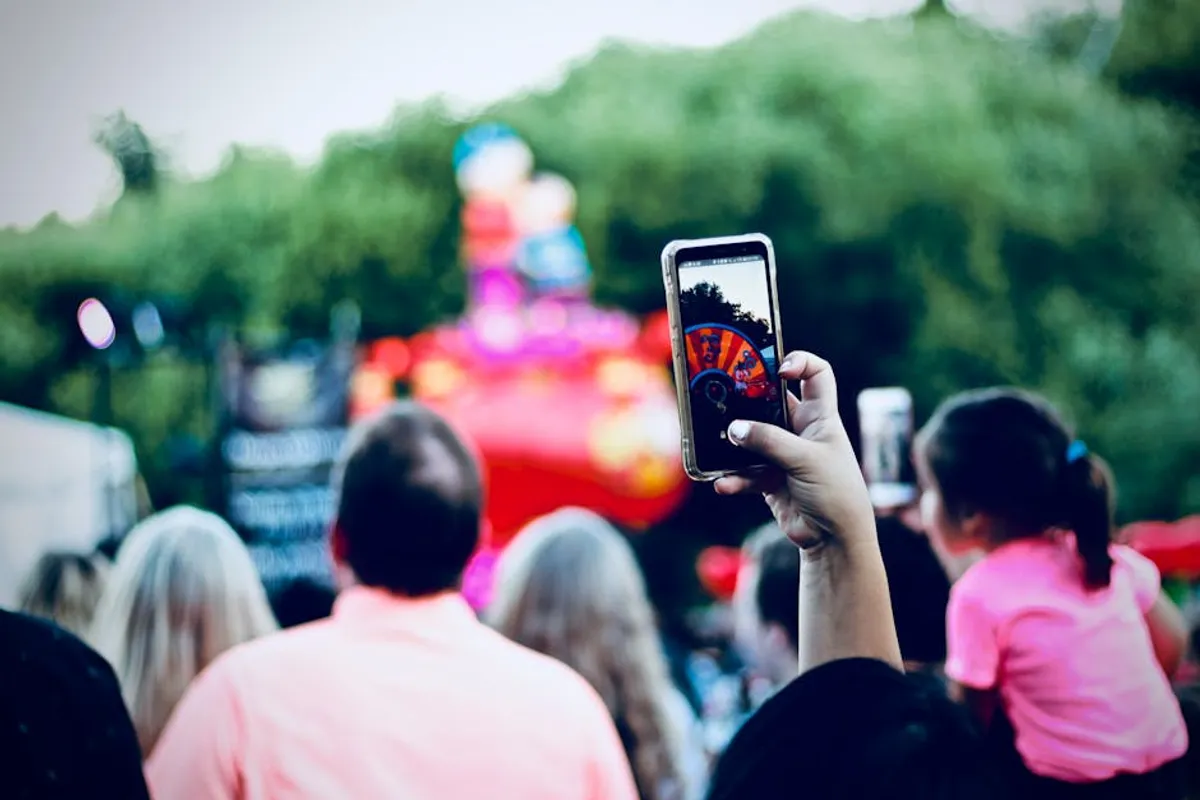
Pro Tip: Always check the festival's specific policies on photography and video recording. Some artists prefer not to have their work photographed without permission, especially if it's still for sale. Respecting these guidelines ensures a positive experience for everyone.
Engaging with Art and Artists
Direct interaction with artists is a hallmark of art festivals and provides a deeper appreciation for their work.
Approaching Artists and Galleries
Do not hesitate to engage with artists. A simple "I love your work, can you tell me more about it?" can open a conversation. Ask about their inspiration, process, materials, and techniques. This provides context and insight that a static display cannot. Respect their space and time, especially during busy periods. If you are genuinely interested in a piece but not ready to buy, ask for a business card or information on their online presence for future follow-up.
Making Purchase Decisions
If you plan to purchase art, set a budget beforehand. Consider the long-term value and your personal connection to the piece. When discussing a potential purchase:
- Inquire about Authenticity: Ask for an artist statement, certificate of authenticity, or details about the edition (for prints).
- Understand Pricing: Prices are generally firm, but some artists might offer a small discount, especially for multiple purchases or towards the end of the festival.
- Shipping and Transport: For larger or fragile pieces, discuss shipping options with the artist or gallery. Understand the costs and logistics involved in getting the art home safely.
Justification: Informed purchasing decisions prevent buyer's remorse and ensure the artwork integrates well into your collection or space.
Maximizing Your Experience
Beyond browsing booths, festivals often offer additional avenues for engagement and enjoyment.
Beyond the Booths: Workshops and Demonstrations
Many festivals include interactive elements like live demonstrations, artist talks, or hands-on workshops. These provide a unique opportunity to learn new techniques, understand artistic processes, or even create your own art. Check the festival schedule for these events; some may require pre-registration or an additional fee. Participating can deepen your appreciation for the craft and offer a memorable, active experience.
Food, Drink, and Downtime
Art festivals can be physically demanding. Plan for regular breaks to rest, rehydrate, and refuel. Most festivals offer a variety of food and beverage vendors, from quick snacks to full meals. Look for designated seating areas or quieter zones where you can escape the crowds for a few moments. Balancing active exploration with periods of rest helps maintain energy and enthusiasm throughout your visit.
Key Takeaways for a Rewarding Visit
A first-time art festival visit is an opportunity for discovery and connection. By investing time in pre-festival research, packing thoughtfully, and engaging intentionally with the art and artists, you transform a potentially overwhelming event into a rich and memorable experience. Focus on what genuinely captivates you, allow for spontaneous discoveries, and embrace the unique atmosphere of artistic celebration.
Frequently Asked Questions
How early should I arrive at the festival?
Arriving shortly after opening can provide a less crowded experience, allowing for easier navigation and more personal interactions with artists before peak attendance.
Is it acceptable to negotiate prices with artists?
While some artists might be open to slight negotiation, especially for multiple pieces or at the end of the festival, it is generally not expected. Approach price discussions respectfully and be prepared to pay the listed price.
What if I want to buy a large piece of art?
Discuss shipping or delivery options directly with the artist or gallery. Many artists are experienced in arranging secure transport for their works, often at an additional cost.
Can I bring my own food and drinks?
Festival policies vary. Check the official festival website for rules regarding outside food and beverages, as some events restrict them, particularly alcohol.