The wall is among the oldest public surfaces in human civilization. Long before printing presses, before posters, before the curated public spaces of museums and galleries, walls were where people put marks intended for others to see. The cave paintings at Lascaux are wall art. The graffito in Pompeii are wall art. The political proclamations of Rome were wall art. The contemporary street art tradition is the latest layer in a conversation that has been happening on walls for somewhere around 30,000 years.
This essay is about what the wall conversation is, what makes it distinctive, and what it offers that other forms of public discourse cannot.
What walls allow that other surfaces don't
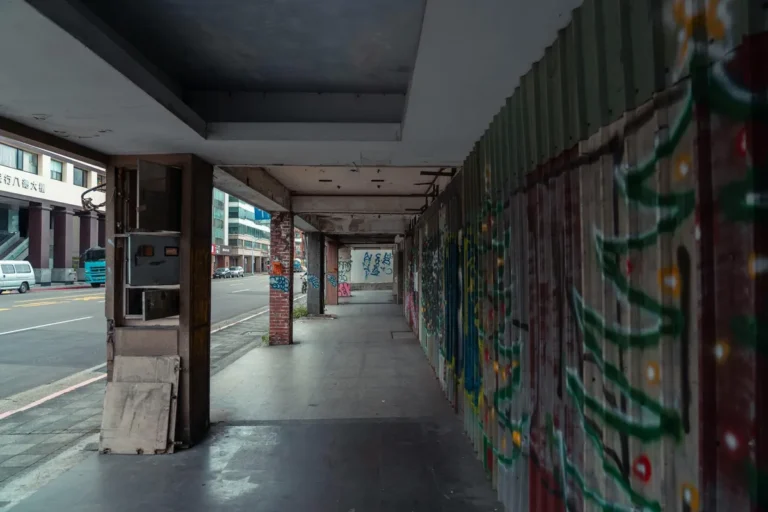
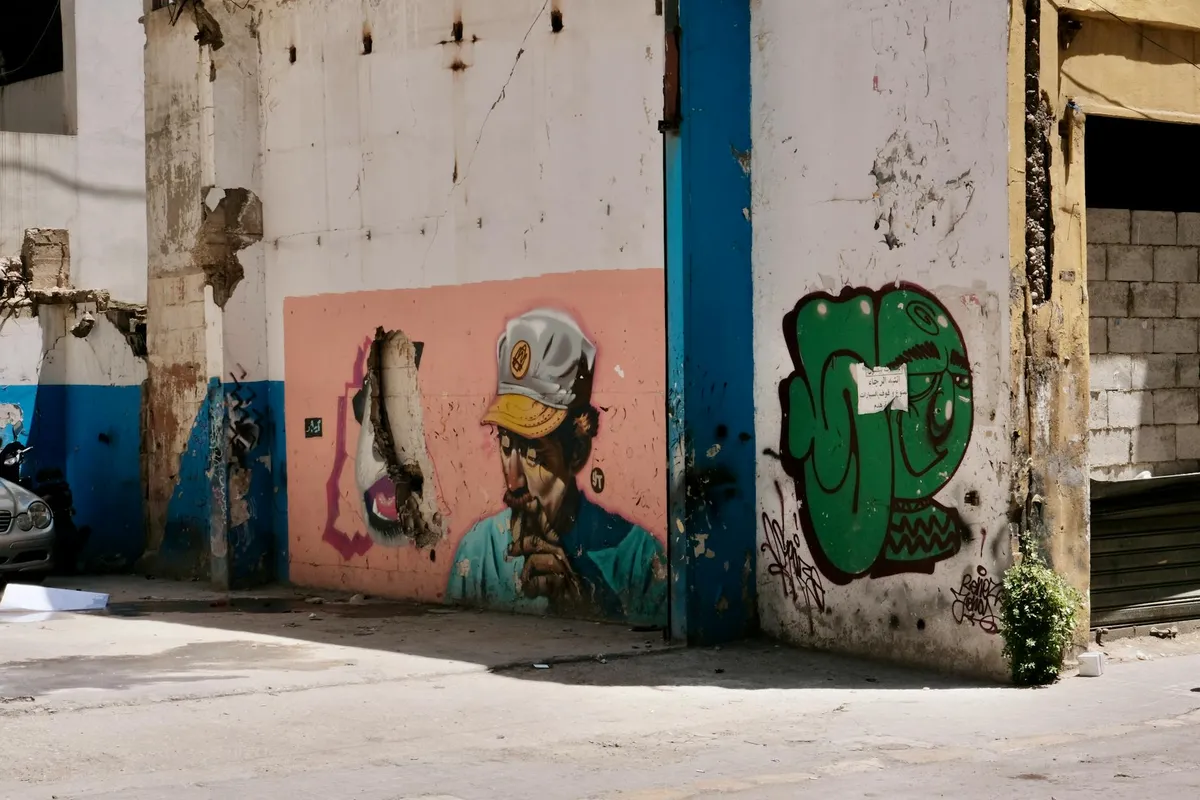
The wall has properties that no other public surface quite shares. It is large enough to support work that approaches the human scale or exceeds it. It is fixed in place, which gives the work geographic specificity — the painting on this wall is a painting about this neighborhood, this street, this corner. It is in public space, which means the work addresses an audience that did not choose to be the audience. It is durable in some sense — paint persists, surfaces hold marks for years — and yet ephemeral in another sense, since cities repaint, demolish, and modify walls continuously.
These properties produce a specific kind of work. The wall painting that survives is the painting that the city chose, in some way, to let survive. The wall painting that disappears is the painting that the city, also in some way, chose to remove. The conversation is collective, slow, and shaped by forces no individual painter controls.
The slow turn-taking
The wall conversation operates on a different timescale than most contemporary public discourse. A piece of street art appears; weeks or months later, another piece appears in dialogue with it; later still, another responds; eventually one or all are painted over and replaced by something else. The conversation can extend across years on a single wall, with each contributor responding to what came before and shaping what will come after.
This slowness is one of the form's distinctive features. Internet discourse demands immediate response; the wall permits and requires patience. A piece that responds to another piece may take its painter weeks to plan and execute. By the time the response appears, the original may have been modified or removed; the response now exists in dialogue with both the original and its absence.
The slowness produces depth that faster forms cannot access. The painter who has six months to think about a response makes a different work than the commenter who has thirty seconds to type a reply. The same difference, scaled across many pieces and many years, produces a body of work on any given wall that has the texture of considered conversation rather than reactive exchange.
What the conversation includes
The wall conversation includes more than what is usually categorized as street art. It includes the official municipal markings — the no-parking signs, the street numbers, the warnings against various behaviors. It includes the unauthorized commercial messages — the band stickers, the property-management notices, the abandoned advertising. It includes the political — the campaign posters, the protest text, the emergence of organized social movements. It includes the personal — the spray-painted name, the love declaration, the message to a specific person who lives on the same street.
Street art proper sits within this larger conversation. A mural that addresses the surrounding neighborhood is in dialogue with the official notices nearby; the dialogue is part of the work's meaning. The painting that ignores its surroundings produces a different effect than the painting that engages with them; the difference is part of what readers of the wall pick up on, even when they cannot articulate it.
The question of audience
The wall has an audience that is also its location. The pedestrians who pass; the people who live in the buildings around it; the workers whose commute brings them through the area. This audience did not choose to attend an art exhibition; the work came to them. The relationship is different from the relationship between gallery viewer and gallery work.
This produces an ethical dimension that gallery work does not have. The painter is making a choice about what to put in front of a non-consenting audience. The wall is not a private space; the work that appears on it imposes itself. The strongest street art tends to take this responsibility seriously — to address the audience that will see it, to engage with the place where it appears, to add rather than impose. The weaker work is often weak because it ignores the audience and uses the wall as a free billboard for the painter's self-expression.
The distinction between adding and imposing is, in many ways, the central ethical question of the form. It is rarely articulated in those terms. The painters who navigate it well produce work that the surrounding community comes to value. The painters who navigate it badly produce work that the community resents and removes.
The institutional turn
Street art has, over the last twenty years, moved increasingly into institutional spaces. Gallery shows, museum acquisitions, commissioned festivals, books and documentaries, the legitimization that the institutional art world provides. This shift has produced both gains and losses.
The gains include economic support for artists who previously made work without payment. The recognition that the form deserves serious consideration alongside other contemporary art. The preservation of work that would otherwise be lost. The historical documentation that makes possible essays like this one.
The losses include some of what made the wall conversation distinctive. Institutional context changes the work's relationship to its audience. The mural commissioned for a neighborhood-revitalization project is different from the unauthorized mural that appeared overnight. The painter whose work is sold for tens of thousands of dollars in a gallery participates in a different conversation than the painter whose work appeared and disappeared without economic exchange.
Neither the institutional nor the unauthorized version is "true" street art; both are real. But the institutional version is closer to other forms of contemporary art and farther from what made the wall conversation distinctive. The form has been changed by its own success.
What remains distinctive
What remains distinctive about the wall conversation, even as the form moves toward institutional legitimacy, is the geographic specificity, the public address, the slow turn-taking, and the collective shaping. These properties survive in the unauthorized work that continues to appear. They are partially preserved in the commissioned work that takes seriously its location and audience. They are largely lost in the gallery work that uses street-art aesthetic without retaining street-art structure.
For viewers trying to understand the form, attention to these properties tells you whether you're looking at work that participates in the wall conversation or work that uses the visual language of the conversation while operating in a different mode. The distinction matters. The conversation continues regardless of whether any individual viewer or institution attends to it.
The patience the form requires
To follow the wall conversation in any given city requires patience. Walking the same routes repeatedly. Noticing what has appeared, what has been modified, what has been removed. Photographing the work when it appears so that it can be remembered after it disappears. Returning to the same walls across years and watching them change.
This patience is unfashionable. Contemporary culture prefers immediate access to comprehensive collections; the wall conversation offers neither. But for those willing to invest the patience, the form offers something most contemporary cultural forms cannot: a sustained engagement with public space that operates outside the algorithms and economic structures that shape almost everything else we look at.
The walls are still talking. Worth listening.