The Appeal and Mechanics of Goat Puns
Goat puns thrive on linguistic dexterity, primarily exploiting homophones and double meanings to create unexpected humor. Words like 'kid' (young goat, child, to joke) or 'bleat' (goat sound, complain) form the semantic bedrock, generating a playful friction that captures attention. For content strategists, this means leveraging a recognizable form of wordplay to inject a lighthearted, approachable tone into content, making it more memorable and shareable. The appeal extends beyond mere linguistic trickery; it taps into themes of innocence, playfulness, and even the contemporary 'G.O.A.T.' (Greatest Of All Time) cultural phenomenon, allowing brands to cultivate a specific, relatable personality.
Crafting Effective Goat Puns: Structure and Context
An effective goat pun requires precise construction and contextual relevance. They typically follow a setup-pivot-punchline structure, where a familiar phrase is subtly twisted to incorporate a goat-related term. For example, 'Why did the goat cross the road? To get to the other baa-nk.' This structure, when applied concisely, can elevate headlines, social media captions, or email subject lines. The commercial utility lies in strategic deployment: they are most effective when they genuinely align with a brand's voice and message, enhancing rather than distracting from the core communication. Overuse or forced integration dilutes their impact, making careful selection paramount.
Pro Tip: While goat puns can boost engagement, context is paramount. Ensure the humor aligns with your brand's established tone and your audience's expectations. A forced or inappropriate pun can alienate rather than attract, so always test the waters with your target demographic.
A Brief Cultural Context of Goat-Themed Humor
While specific 'goat puns' aren't ancient, the use of animal wordplay has deep roots across cultures. The goat's distinct characteristics—its sounds, behaviors, and even its stubborn reputation—have long made it a subject of idiom and folklore. Modern internet culture, particularly the rise of 'screaming goat' videos and the 'G.O.A.T.' acronym in sports, has significantly amplified the animal's visibility and cultural cachet. This widespread exposure means goat-themed humor, including puns, now taps into a pre-existing, broadly understood cultural reference point, making it an accessible and often appreciated form of engagement for digital audiences.
Visualizing Goat Puns: Enhancing Impact
The comedic and engaging effect of a goat pun is significantly amplified through visual integration. An accompanying image can instantly convey the dual meaning, reinforce the humor, and boost shareability. When selecting visuals:
- Direct Illustration: Choose images that literally depict the goat aspect of the pun, like an annoyed goat for 'Don't get my goat.'
- Contextual Reinforcement: Use playful images of young goats or humorous interactions if the pun is about 'kidding around.'
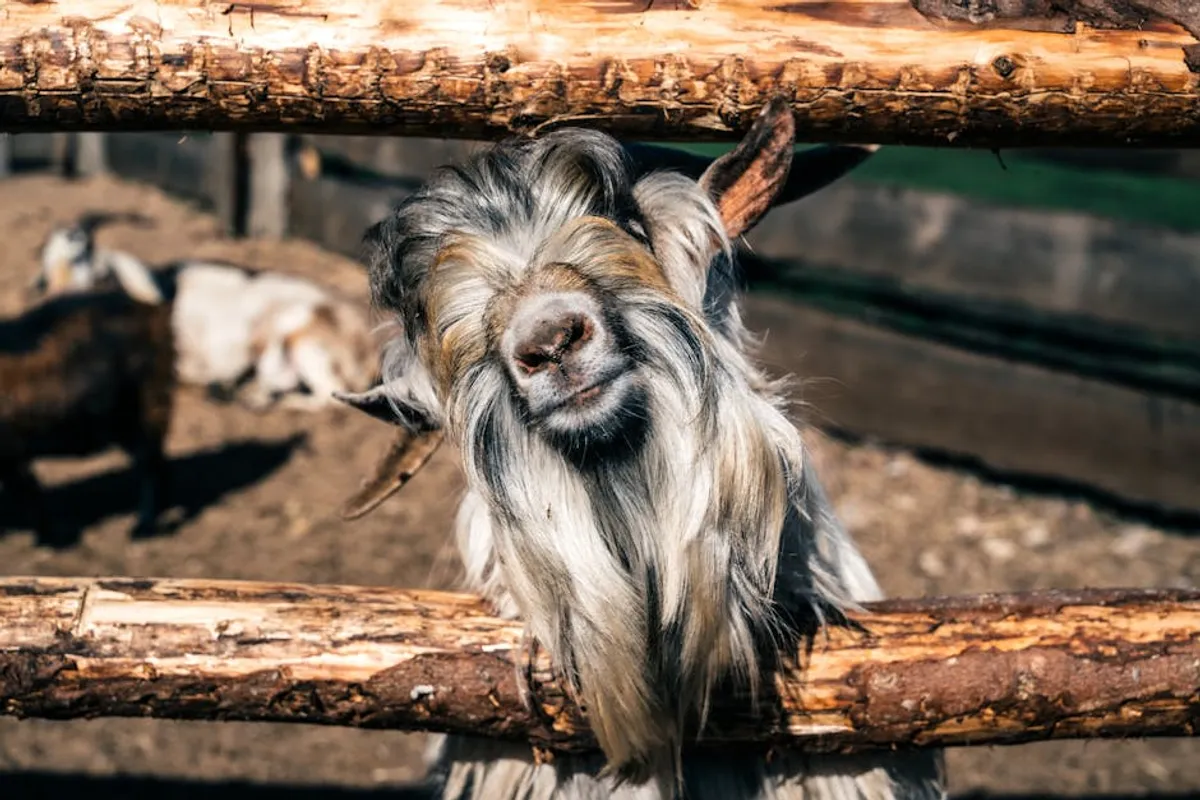
- Unexpected Juxtaposition: Pair a serious-looking goat with a lighthearted pun for an added layer of humor.
- Quality and Relevance: Ensure high-resolution, visually appealing images that directly relate to the pun without being generic.
For digital platforms, this means combining catchy pun captions with relevant images or GIFs for social media, or integrating goat illustrations into blog post headers and infographics. The visual should always complement the wordplay, acting as a shortcut to understanding and enhancing the overall comedic or engaging effect.
Strategic Deployment for Engagement
Deploying goat puns strategically offers a distinct avenue for content differentiation, personality building, and audience engagement. They provide a low-cost, high-potential mechanism for driving memorability and organic sharing, particularly for brands aiming for an approachable or witty persona. Success hinges on a clear understanding of their linguistic mechanics, cultural resonance, and the power of visual reinforcement. By treating goat puns as a deliberate content device, rather than a casual joke, marketers can harness their full capacity to connect with audiences in a memorable, human way.
Frequently Asked Questions
Q: Are goat puns suitable for all brands?
A: Not universally. Goat puns best suit brands with an established lighthearted, playful, or irreverent tone. For highly formal or serious industries, they could undermine credibility. Assess your brand's voice and audience expectations before deployment.
Q: How can I ensure my goat puns are original and not overused?
A: Focus on contextual relevance. Instead of generic puns, integrate them with specific product features, services, or current events relevant to your brand. This grounds the humor and makes it unique to your content.
Q: What's the optimal frequency for using goat puns in content?
A: Moderation is key. Overuse can lead to "pun fatigue" and diminish impact. Use them sparingly for emphasis, surprise, or to mark specific campaigns. A good rule is to deploy them when they genuinely enhance the message, not just for the sake of a pun.
Q: Can goat puns contribute to SEO efforts?
A: Indirectly. While unlikely to be primary keywords, well-executed and shareable goat puns can increase engagement metrics (time on page, shares), which Google considers as signals of content quality. They can also attract backlinks if content goes viral.